
 EN
EN
 ar
ar bg
bg hr
hr cs
cs da
da nl
nl fi
fi fr
fr de
de el
el hi
hi it
it ko
ko no
no pl
pl pt
pt ro
ro ru
ru es
es sv
sv tl
tl iw
iw id
id lv
lv lt
lt sr
sr sk
sk sl
sl uk
uk vi
vi et
et hu
hu th
th tr
tr fa
fa ms
ms hy
hy ka
ka ur
ur bn
bn mn
mn ta
ta kk
kk uz
uz ku
ku
Accelerometer
Kingmach Accelerometer fits a complete dynamic monitoring workflow. The work starts with the structural question, then continues through mounting position, axis direction, cable route, acquisition settings, event naming, analysis method, and report review. Product pages may mention compact design, sealing, anti-interference, low-frequency performance, wide dynamic behavior, and compatibility with dynamic testing systems, but those features are useful only when they support the field task. Buyers can understand where the sensor goes, what motion it captures, and how that motion becomes a decision. The same principle guides installation: every point needs a purpose, every event needs a name, and every report needs to connect the waveform to the monitored asset.
For field teams, the record is strongest when the waveform is tied to a named event and a known physical point. The note can state what was operating, what changed on site, whether other instruments reacted, and whether the motion repeated under similar conditions.
A useful dynamic record needs both signal quality and site context. Mounting condition, axis direction, cable stability, acquisition timing, and event labeling all affect whether the data can support an engineering decision after review.
During interpretation, the team can compare the motion with nearby strain, displacement, tilt, load, wind, temperature, traffic, machinery, or construction notes. That wider view helps separate normal response from a pattern that needs inspection.
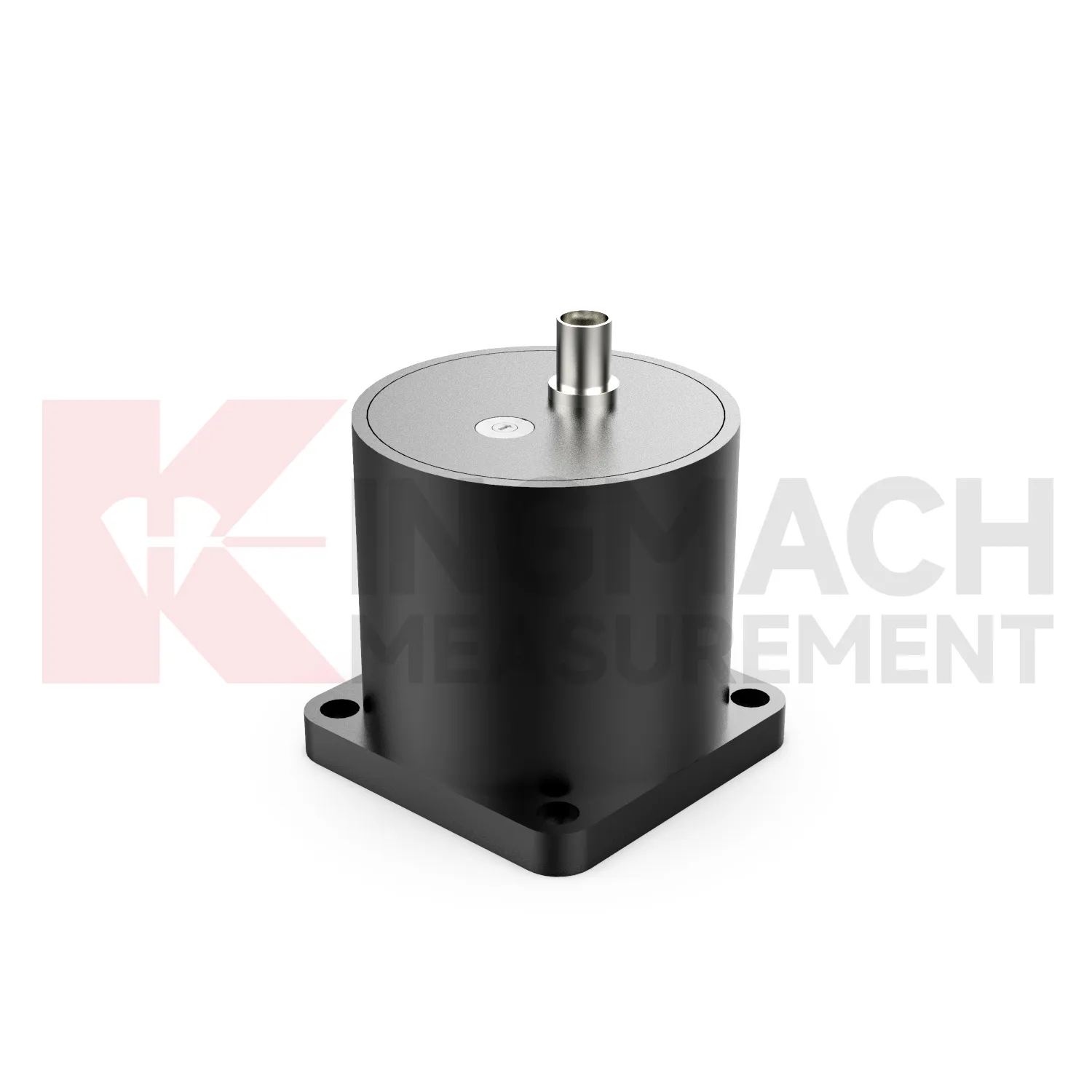
Application of Accelerometer
Wind towers and tall structures use Kingmach Accelerometer to observe motion caused by wind, equipment, foundation behavior, or operating cycles. Acceleration data can be reviewed with wind speed, tilt, strain, and foundation settlement to see whether the structure is responding normally. Mounting must be secure because a loose sensor can exaggerate motion. The axis direction should match the structure geometry, and the record should note wind or operating conditions during measurement. This approach turns tower movement into a traceable engineering record. Over time, the owner can compare response during similar wind events and identify whether the structure is behaving consistently or starting to change.
A useful dynamic record needs both signal quality and site context. Mounting condition, axis direction, cable stability, acquisition timing, and event labeling all affect whether the data can support an engineering decision after review.
During interpretation, the team should compare the motion with nearby strain, displacement, tilt, load, wind, temperature, traffic, machinery, or construction notes. That wider view helps separate normal response from a pattern that needs inspection.
If the reading changes suddenly, the first check should include the sensor attachment, cable route, connector, channel name, and recent field activity. This prevents a maintenance issue from being mistaken for structural behavior.
Long-term monitoring benefits from repeatable procedure. When the same point, direction, event definition, and analysis method are preserved, new vibration records can be compared with earlier records in a defensible way.
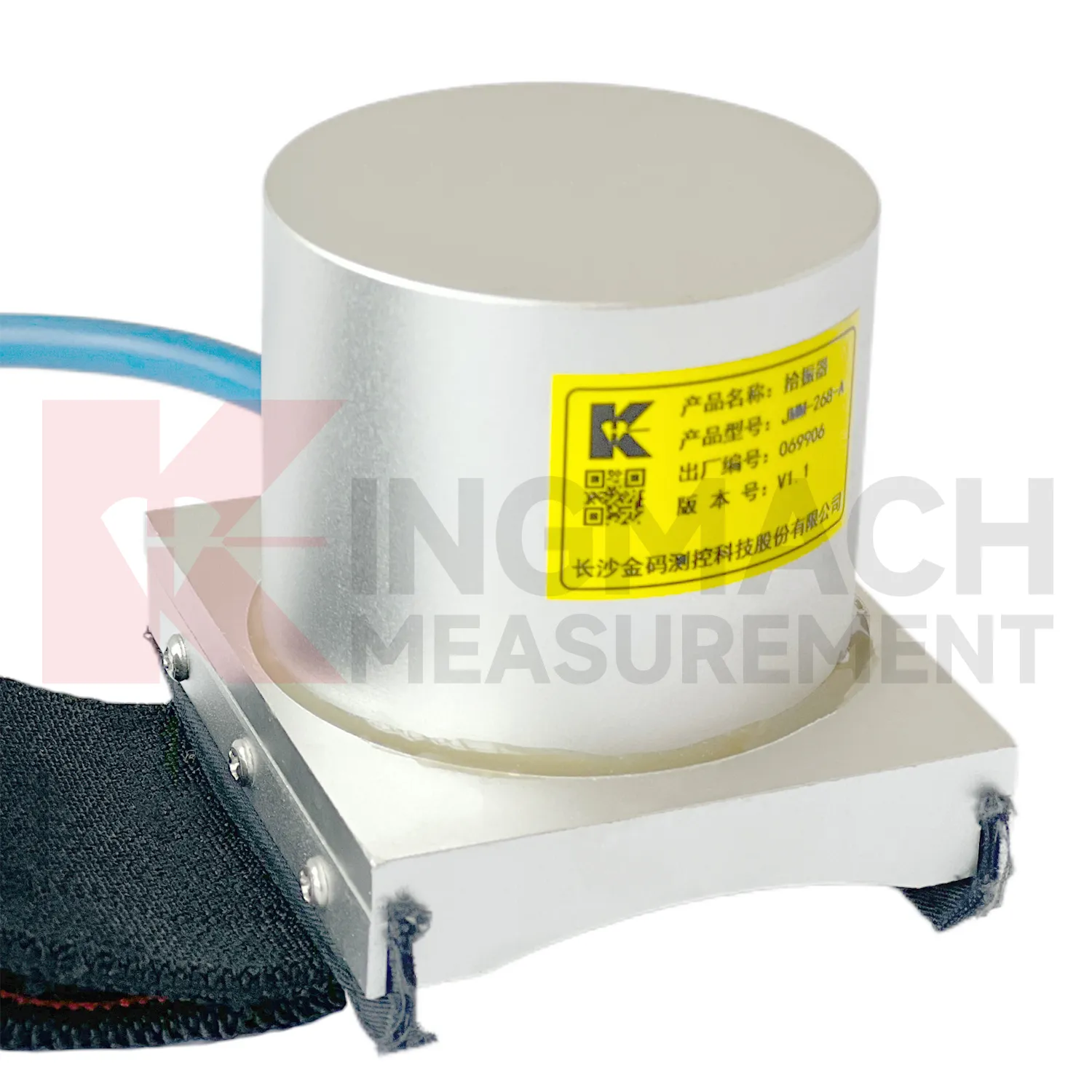
The future of Accelerometer
Future Kingmach Accelerometer will support more disciplined cable force monitoring. Vibration-based cable review depends on correct measurement position, cable identity, boundary assumptions, and calculation settings. Future reports should connect the vibration curve, frequency result, cable information, and maintenance decision in one place. That will make cable review easier to audit and compare over time. For bridge owners, the value is not simply a sensor reading; it is a repeatable method for tracking cable behavior through service life. Clear records will also help teams understand when a change comes from adjustment, temperature, traffic, or true cable-condition variation.
For field teams, the record is strongest when the waveform is tied to a named event and a known physical point. The note should state what was operating, what changed on site, whether other instruments reacted, and whether the motion repeated under similar conditions.
A useful dynamic record needs both signal quality and site context. Mounting condition, axis direction, cable stability, acquisition timing, and event labeling all affect whether the data can support an engineering decision after review.
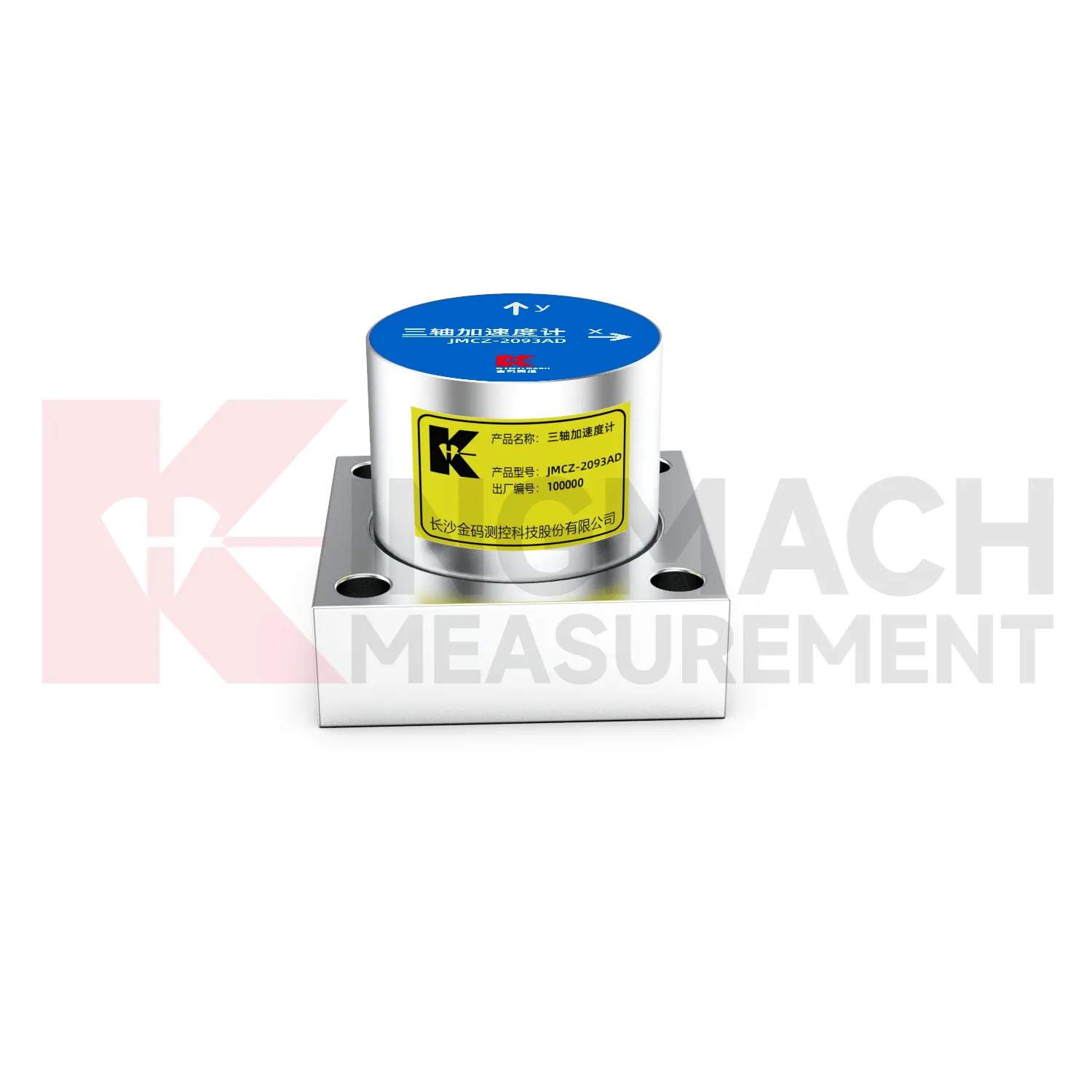
Care & Maintenance of Accelerometer
Cable and connector care is important for Kingmach Accelerometer because dynamic signals can be weakened by poor wiring. Inspect cable strain, connector tightness, water entry, abrasion, shielding, grounding, and cabinet terminals. A noisy or intermittent cable can look like a vibration event if the review process is weak. After site work, confirm that channel names still match the physical points. If a channel drops or spikes suddenly, inspect wiring and recent construction activity before assuming the structure changed. The data chain is part of the instrument. A good cable record reduces false alarms and keeps event review focused on the structure.
Long-term monitoring benefits from repeatable procedure. When the same point, direction, event definition, and analysis method are preserved, new vibration records can be compared with earlier records in a defensible way.
The report should not leave the waveform isolated. It should explain what the asset was doing, why the point was measured, which event triggered interest, and what follow-up action or observation was made.
Kingmach Accelerometer
Kingmach Accelerometer are useful because dynamic behavior often appears before visible damage. A bridge cable may change vibration frequency, a building floor may respond to nearby machinery, a tunnel structure may react to blasting, and a flexible structure may move slowly but with large amplitude. Static instruments can show position or strain, but acceleration records show motion. When time history, frequency, and event context are kept together, engineers can compare normal operation with abnormal response. The data becomes stronger when linked with displacement, tilt, load, strain, settlement, wind, temperature, and inspection notes. This wider view helps teams avoid treating every vibration as a fault while still noticing changes that deserve a field check.
If the reading changes suddenly, the first check should include the sensor attachment, cable route, connector, channel name, and recent field activity. This prevents a maintenance issue from being mistaken for structural behavior.
Long-term monitoring benefits from repeatable procedure. When the same point, direction, event definition, and analysis method are preserved, new vibration records can be compared with earlier records in a defensible way.
FAQ
Q: What are Kingmach Accelerometer used for?
A: They are used to record acceleration and vibration behavior so engineers can review structural motion, frequency response, impact events, ground motion, and cable vibration.
Q: Where are they commonly applied?
A: They are used in bridges, buildings, tunnels, railways, machinery areas, ground-motion stations, wind towers, and construction vibration monitoring.
Q: Why not rely only on visual inspection?
A: Many dynamic problems happen too quickly or too subtly to see, while acceleration records preserve timing, direction, and frequency information.
Q: Can acceleration data support cable force review?
A: Yes, when the vibration measurement and calculation method are configured correctly for the cable being tested.
Q: Should acceleration data be reviewed alone?
A: No. It is stronger when compared with strain, displacement, tilt, load, environmental records, and inspection notes.
During interpretation, the team should compare the motion with nearby strain, displacement, tilt, load, wind, temperature, traffic, machinery, or construction notes. That wider view helps separate normal response from a pattern that needs inspection.
Reviews
Joshua Clark
We ordered a full monitoring solution including sensors and data loggers. Everything works seamlessly together. Great supplier!
David Wilson
We purchased displacement transducers and settlement sensors, and the quality exceeded our expectations. Easy installation and reliable performance.
Latest Inquiries
To protect the privacy of our buyers, only public service email domains like Gmail, Yahoo, and MSN will be displayed. Additionally, only a limited portion of the inquiry content will be shown.
Sophia***@gmail.comUnited Kingdom
Good day, we need environmental monitoring sensors including temperature, humidity, and wind sensors...
Harper***@gmail.comIndia
Dear Sir, we are planning to procure a complete monitoring system including strain gauges, tiltmeter...