
 EN
EN
 ar
ar bg
bg hr
hr cs
cs da
da nl
nl fi
fi fr
fr de
de el
el hi
hi it
it ko
ko no
no pl
pl pt
pt ro
ro ru
ru es
es sv
sv tl
tl iw
iw id
id lv
lv lt
lt sr
sr sk
sk sl
sl uk
uk vi
vi et
et hu
hu th
th tr
tr fa
fa ms
ms hy
hy ka
ka ur
ur bn
bn mn
mn ta
ta kk
kk uz
uz ku
ku
Biaxial Inclinometer
Kingmach Biaxial Inclinometer are designed to work with automated test systems and long-term deformation monitoring. Product pages mention remote unattended automatic measurement, automatic temperature compensation, low-power standby modes, electronic identifiers, intelligent computation, and data upload by wired or wireless means. These details are especially useful in foundation pits, slopes, tunnels, bridges, railways, and dams, where site access may be periodic or hazardous. Automation should not be treated as a simple hardware feature. The project must define how tilt values are named, when they are collected, how abnormal data is checked, which personnel inspect the site, and how maintenance events are recorded. A stable automated tilt system combines sensor reliability, protected power, clean communication, and a review process that connects the angle curve to real site behavior.

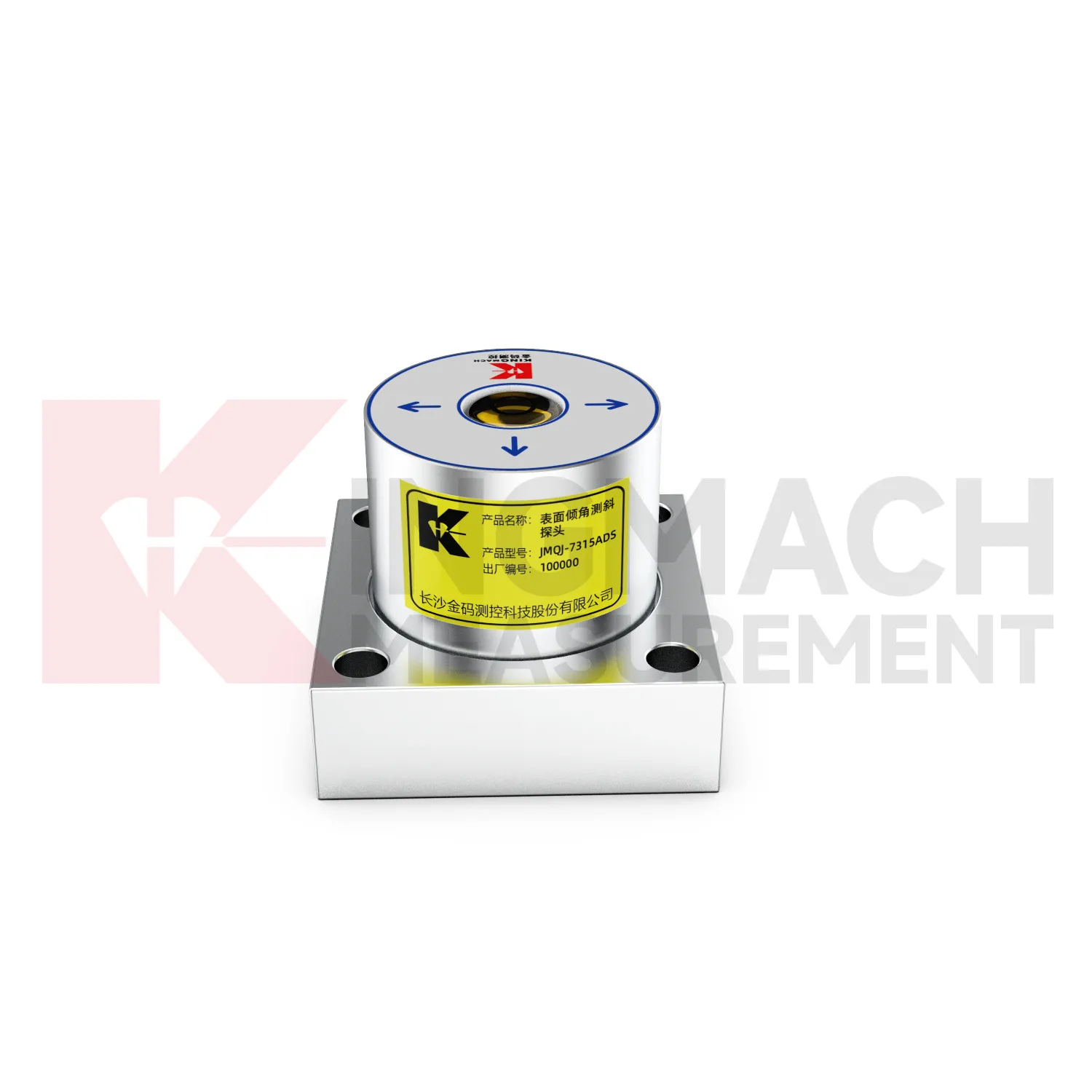
Application of Biaxial Inclinometer
Integrated monitoring platforms use Biaxial Inclinometer as the angular deformation layer in a broader site record. A project may combine fixed tilt sensors, in-place inclinometer strings, displacement meters, settlement gauges, load cells, strain gauges, environmental sensors, data loggers, cables, and visualization software. Kingmach offers both tilt instruments and related acquisition products, so the monitoring plan can connect measuring points to platform channels from the beginning. The main task is to define which tilt point answers which site risk: wall rotation, pier movement, deep slope deformation, building lean, or tunnel lining response. Alarm levels should be based on that risk and reviewed with nearby instruments. When the platform displays tilt beside related data, engineers can judge linked behavior more quickly.
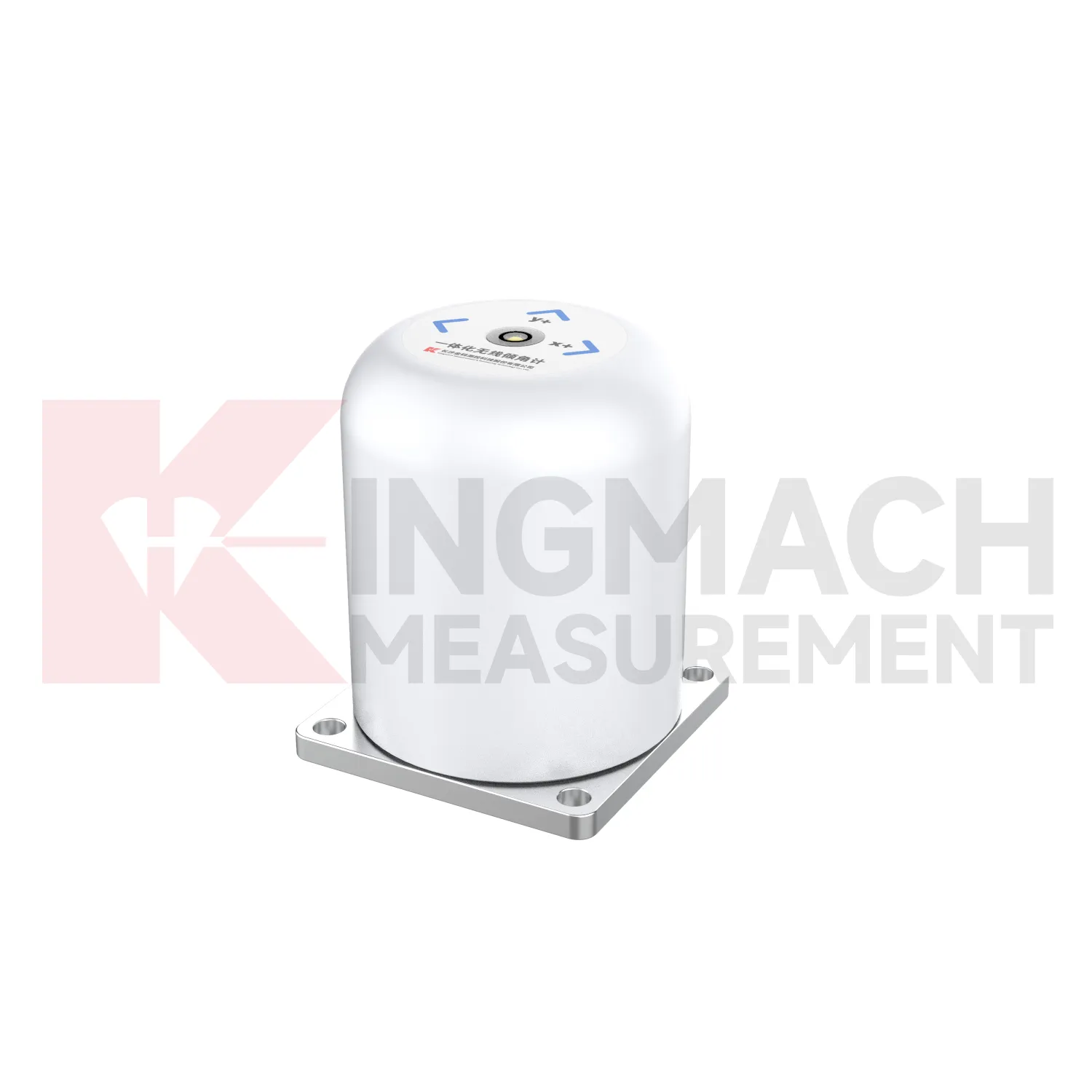
The future of Biaxial Inclinometer
Wireless monitoring will play a larger role in future Biaxial Inclinometer projects. JMQJ-7315RTU already combines MEMS tilt sensing with 4G digital output and battery power, which helps when cable routes are long, exposed, or disruptive. Future projects will likely use wireless tilt points on bridges, buildings, slopes, towers, and temporary construction structures where fast deployment matters. Wireless work still needs disciplined planning: antenna location, sampling interval, battery status, data upload timing, and fallback field checks must be defined. The best wireless tilt record will not simply send more data; it will send the right data with enough context for engineers to understand what changed, when it changed, and whether the site needs inspection.
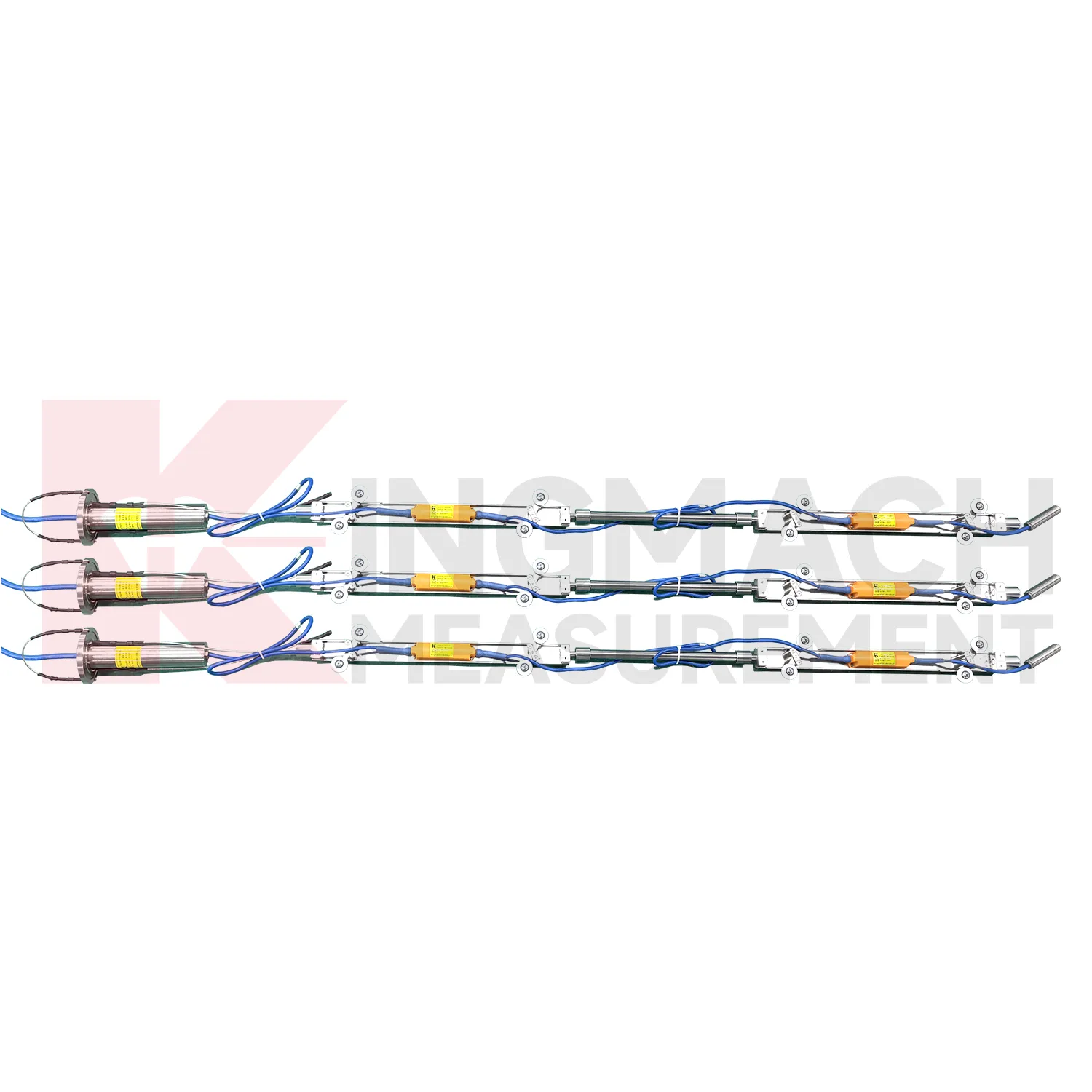
Care & Maintenance of Biaxial Inclinometer
Waterproofing maintenance protects Biaxial Inclinometer in tunnels, slopes, dams, foundation pits, and outdoor structures. JMQJ-7315ADS lists IP68 protection, JMQJ-7315RTU lists IP65, JMQJ-7915ATS lists IP68, and JMZX-4QH lists IP67. These ratings help, but glands, connectors, cabinets, tube orifices, and field splices still need inspection after rain, flooding, dewatering, or washdown. Look for moisture inside enclosures, damaged seals, corrosion, loose plugs, and cable jacket cuts. For borehole systems, keep the orifice module protected from mud and site traffic. Record waterproof checks with date, weather, fault, repair action, and next reading. That record helps engineers separate true angular change from water-related data disturbance.
Kingmach Biaxial Inclinometer
On busy construction sites, Kingmach Biaxial Inclinometer must survive dust, moisture, vibration, cable handling, and limited access. Product pages describe sealed waterproof and dustproof designs, MEMS sensing, differential measurement principles, and low-power operation for selected systems. JMQJ-7315ADS lists IP68 protection, DC 9V to 24V supply, RS485 output, and an operating environment from -30 degrees Celsius to +80 degrees Celsius. JMQJ-7315RTU adds 4G wireless output and a 3.6V 38AH battery for remote work. These details matter because tilt monitoring often runs after excavation, filling, traffic opening, or structural operation begins. Installation teams should protect mounting surfaces, cable entries, enclosure seals, and axis markings. A durable field setup keeps the tilt curve meaningful instead of turning every storm or cabinet fault into a data question.
FAQ
Q: How often should Biaxial Inclinometer be inspected?
A: Inspection frequency depends on risk, access, construction stage, and deformation speed; active excavation or storm periods often need closer review.Q: What maintenance is needed for wireless tilt units?
A: Check battery status, antenna condition, upload timing, enclosure seals, point label, and platform channel naming.Q: What causes false tilt changes?
A: Loose mounting, disturbed cables, water entry, temperature effects, power faults, channel mistakes, or inconsistent manual reading can affect the record.Q: How should replacement be handled?
A: Record old and new model, serial number, range, baseline, reason, date, axis direction, channel name, and first stable value after replacement.Q: What makes tilt data useful over many years?
A: Consistent point naming, stable baselines, clear installation photos, protected hardware, visible maintenance records, and comparison with related site data.
Reviews
Joshua Clark
We ordered a full monitoring solution including sensors and data loggers. Everything works seamlessly together. Great supplier!
David Wilson
We purchased displacement transducers and settlement sensors, and the quality exceeded our expectations. Easy installation and reliable performance.
Latest Inquiries
To protect the privacy of our buyers, only public service email domains like Gmail, Yahoo, and MSN will be displayed. Additionally, only a limited portion of the inquiry content will be shown.
Amelia***@gmail.comSingapore
Hello, I am looking for visualization software for monitoring system data analysis. Please let me kn...
Charlotte***@gmail.comUnited Arab Emirates
Hi, we require instrumentation cables suitable for harsh environments. Could you advise on specifica...