
 EN
 ar
 bg
 hr
 cs
 da
 nl
 fi
 fr
 de
 el
 hi
 it
 ko
 no
 pl
 pt
 ro
 ru
 es
 sv
 tl
 iw
 id
 lv
 lt
 sr
 sk
 sl
 uk
 vi
 et
 hu
 th
 tr
 fa
 ms
 hy
 ka
 ur
 bn
 mn
 ta
 kk
 uz
 ku

accelerometer piezoelectric
Kingmach vibration sensing for cable and building work focuses on turning weak motion into usable frequency information. In bridge cable force measurement, vibration response can be processed through a dynamic testing system to obtain fundamental frequency and related cable force values when the method is properly configured. In building vibration measurement, the same discipline helps engineers compare normal operation with unusual movement from equipment, traffic, impact, or nearby construction. The sensor, signal path, acquisition unit, and software review should be treated as one measurement path. If any part of that path is poorly documented, the final vibration result becomes harder to defend. A useful project record should keep cable identity, floor location, sensor mounting, event condition, and analysis result together. That makes repeat measurements comparable rather than isolated.
For owner handover, the file should include point photos, axis labels, acquisition settings, related structural channels, and examples of normal behavior. That helps future reviewers understand whether a later event is unusual.
Weak-vibration review should include nearby walking, wind, traffic, equipment start-up, and construction activity because these sources can influence the trace. People walking nearby, wind, traffic, equipment start-up, and construction work can all influence the trace, so the field note should capture what was happening around the point.
For high-risk assets, inspection timing should follow events as well as calendar dates. After impact, blasting, severe weather, unusual vibration, or equipment maintenance, the sensor and the data path both deserve a quick check.
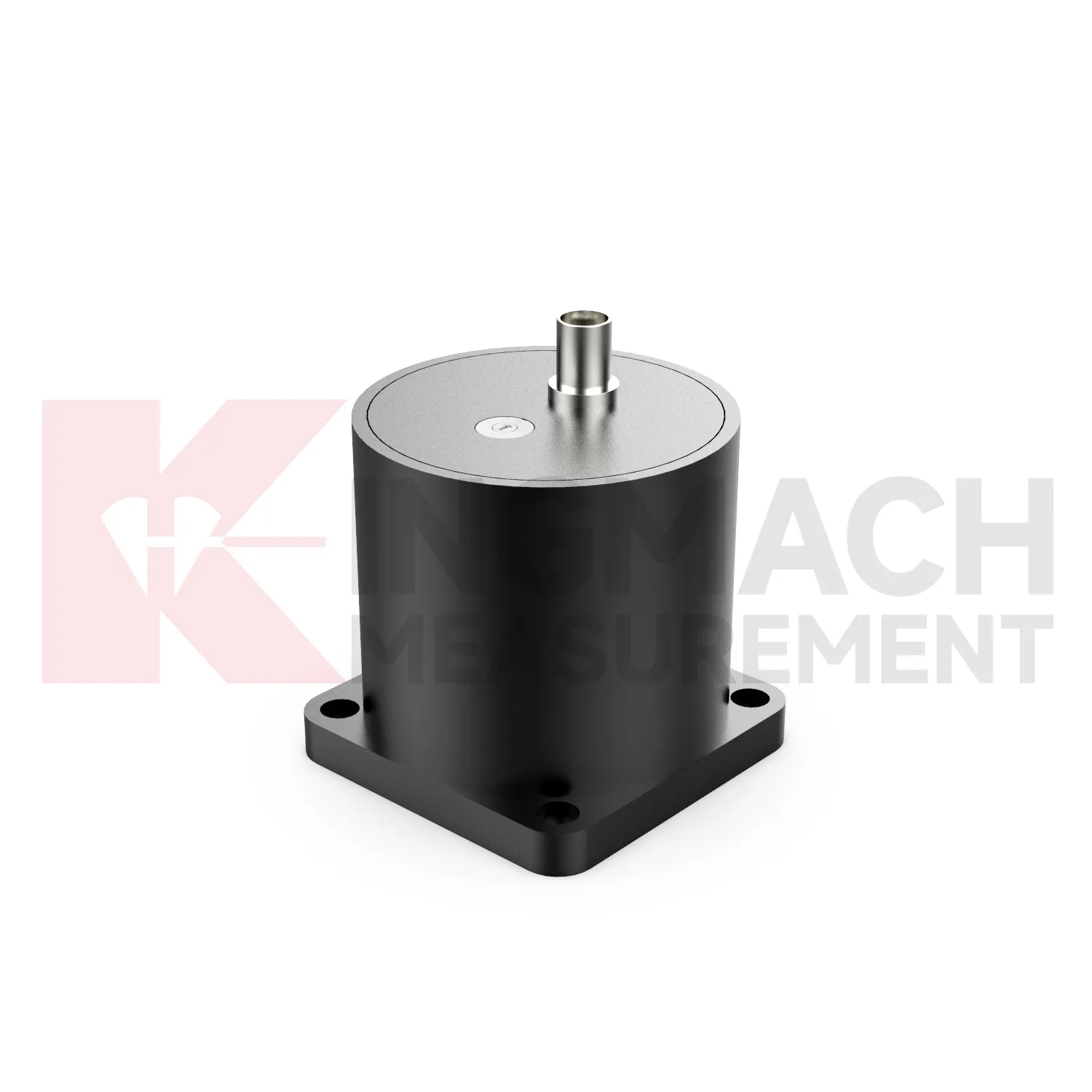
Application of accelerometer piezoelectric
Bridge projects use Kingmach accelerometer piezoelectric to understand deck response, cable vibration, pier movement, and behavior during traffic, wind, impact, or maintenance activity. Acceleration data can help identify frequency changes and abnormal vibration patterns that visual inspection may miss. For cable-supported bridges, vibration response may also support cable force review when the test method is configured correctly. The monitoring plan should tie each point to a structural member, axis direction, event type, and analysis method. Acceleration should be reviewed with strain, displacement, tilt, temperature, wind, and traffic records when available. A bridge may vibrate normally during heavy traffic or high wind, but the same motion under quiet conditions can mean something different. Clear event notes and linked data help engineers make that distinction.
Bridge work also needs a careful separation between local and global response. A sensor near a cable anchorage, bearing seat, pier cap, or deck panel may tell a different story from a point at midspan. The report should identify the structural member, not just the bridge name, so reviewers know which part of the bridge produced the signal.
For long-term bridge operation, repeated vibration records can become a reference library. Engineers can compare similar traffic, wind, or maintenance events and see whether the response remains familiar. If a new event no longer matches that history, the team has a better reason to inspect the related member.
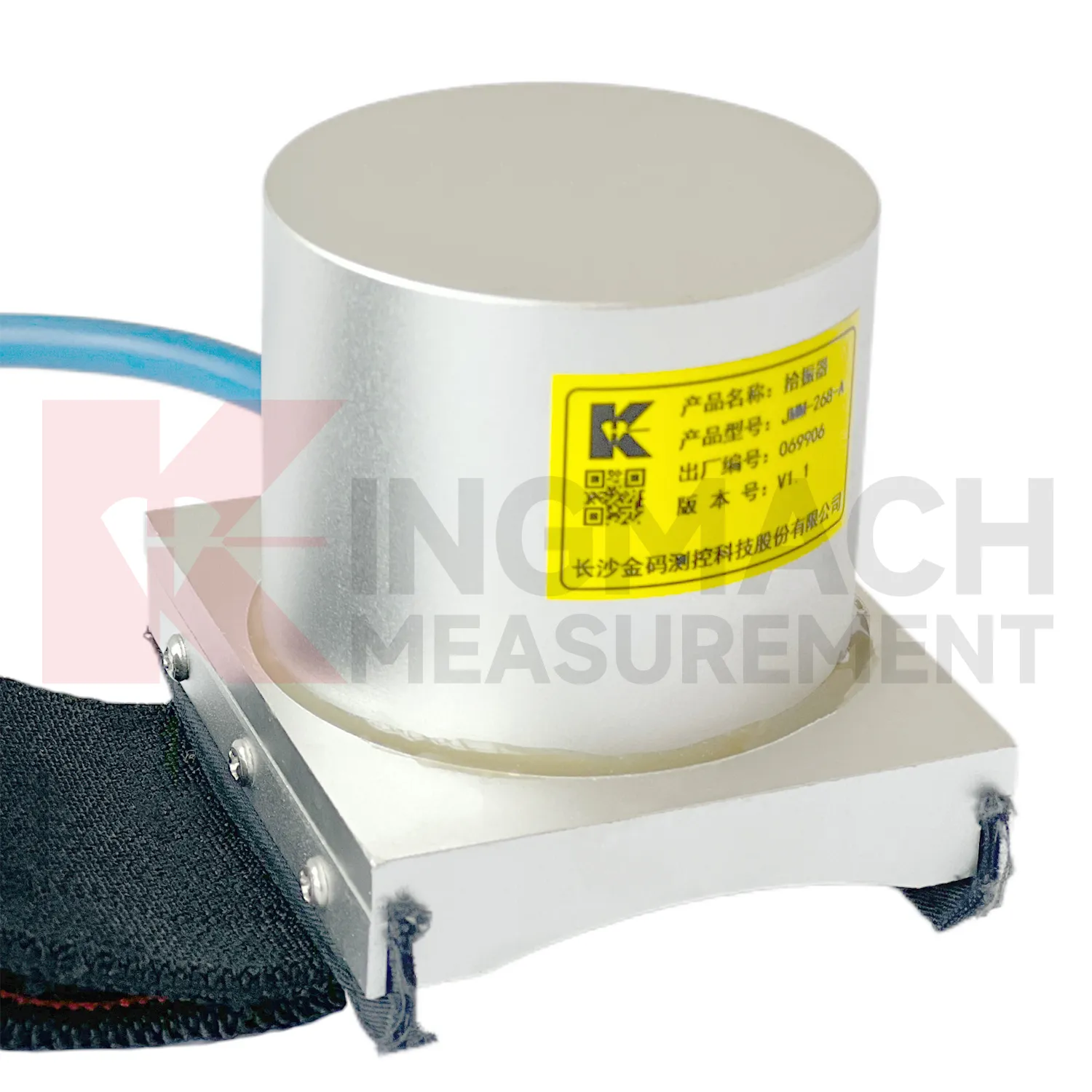
The future of accelerometer piezoelectric
The future of Kingmach accelerometer piezoelectric will be shaped by clearer event-based monitoring. Instead of collecting motion data with no review plan, systems will increasingly tag traffic passages, wind events, blasts, impacts, machine start-ups, and seismic records. The useful record will show what happened, where it happened, and how the structure responded. Kingmach acceleration and vibration measurement can fit this direction when sensors, acquisition, and analysis are designed as one chain. Better event naming will make reports easier to read and decisions faster. It will also help long-term asset teams compare one event with another, rather than treating every waveform as a separate technical file.
During interpretation, the team should compare the motion with nearby strain, displacement, tilt, load, wind, temperature, traffic, machinery, or construction notes. That wider view helps separate normal response from a pattern that needs inspection.
If the reading changes suddenly, the first check should include the sensor attachment, cable route, connector, channel name, and recent field activity. This prevents a maintenance issue from being mistaken for structural behavior.
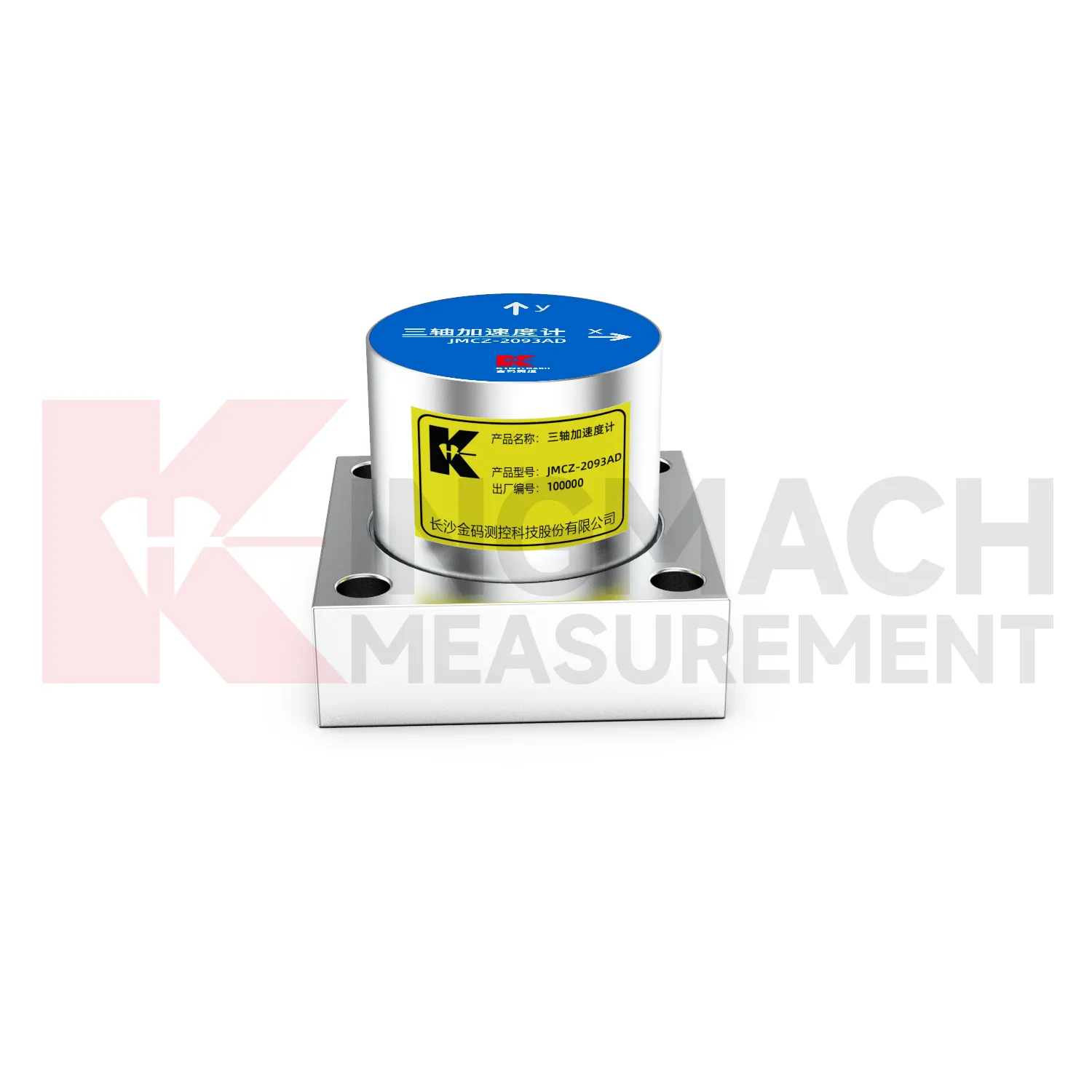
Care & Maintenance of accelerometer piezoelectric
Axis control keeps Kingmach accelerometer piezoelectric records understandable. A sensor may be installed vertically, longitudinally, laterally, or in three directions depending on the monitoring task. If the axis direction is not written down, later reviewers may not know what the waveform represents. Mark the direction on drawings, photographs, and channel names. If a sensor is removed and reinstalled, confirm the direction again. Axis mistakes can create years of confusing data, especially on bridges, towers, tunnels, and machinery foundations. A simple label at installation can prevent serious interpretation problems later.
Dynamic data can be sensitive to small field changes. A new bracket, nearby machine, temporary work platform, changed cable route, or software update can alter the record, so those changes belong in the maintenance history.
For owner handover, the file should include point photos, axis labels, acquisition settings, related structural channels, and examples of normal behavior. That helps future reviewers understand whether a later event is unusual.
Kingmach accelerometer piezoelectric
The strength of Kingmach accelerometer piezoelectric is clearest when the data is connected to analysis. Dynamic testing systems can turn vibration signals into curves, frequency information, and engineering values when the project is configured for that purpose. The sensor is only the first part of the chain. Mounting, wiring, acquisition, time alignment, software review, and reporting all shape the final value of the measurement. A well-built data chain helps teams see whether a signal is stable, intermittent, growing, or tied to a known event. If any part of the chain is weak, the curve may still appear complete while the engineering meaning remains uncertain.
If the reading changes suddenly, the first check should include the sensor attachment, cable route, connector, channel name, and recent field activity. This prevents a maintenance issue from being mistaken for structural behavior.
Long-term monitoring benefits from repeatable procedure. When the same point, direction, event definition, and analysis method are preserved, new vibration records can be compared with earlier records in a defensible way.
FAQ
Q: How do Kingmach accelerometer piezoelectric fit into a monitoring platform?
A: They provide the dynamic response layer alongside displacement, settlement, strain, load, tilt, environmental, and inspection data.
Q: What should a buyer define before ordering?
A: Define the motion to capture, structure type, location, axis direction, acquisition method, analysis need, and maintenance access.
Q: Do all projects need three-direction measurement?
A: No. Some need a focused direction, while others need multi-direction records because the movement source is uncertain.
Q: Why is low-frequency response important?
A: Ground pulsation, flexible structures, and slow dynamic movement may require sensors and acquisition settings suited to low-frequency behavior.
Q: What makes long-term acceleration data useful?
A: Stable installation, clear event records, consistent analysis, visible maintenance notes, and comparison with related sensors make it useful.
For owner handover, the file should include point photos, axis labels, acquisition settings, related structural channels, and examples of normal behavior. That helps future reviewers understand whether a later event is unusual.
Reviews
Andrew Lee
The visualization software is intuitive and powerful. It helps us analyze monitoring data efficiently.
Michael Anderson
The strain gauges and load cells are extremely accurate and stable. They performed very well in our bridge monitoring project. Highly recommended!
Latest Inquiries
To protect the privacy of our buyers, only public service email domains like Gmail, Yahoo, and MSN will be displayed. Additionally, only a limited portion of the inquiry content will be shown.
Charlotte***@gmail.comUnited Arab Emirates
Hi, we require instrumentation cables suitable for harsh environments. Could you advise on specifica...
Evelyn***@gmail.comSouth Africa
Hi, we are a contractor working on tunnel construction and need settlement sensors and displacement ...