
 EN
EN
 ar
ar bg
bg hr
hr cs
cs da
da nl
nl fi
fi fr
fr de
de el
el hi
hi it
it ko
ko no
no pl
pl pt
pt ro
ro ru
ru es
es sv
sv tl
tl iw
iw id
id lv
lv lt
lt sr
sr sk
sk sl
sl uk
uk vi
vi et
et hu
hu th
th tr
tr fa
fa ms
ms hy
hy ka
ka ur
ur bn
bn mn
mn ta
ta kk
kk uz
uz ku
ku
strain gauge rosettes
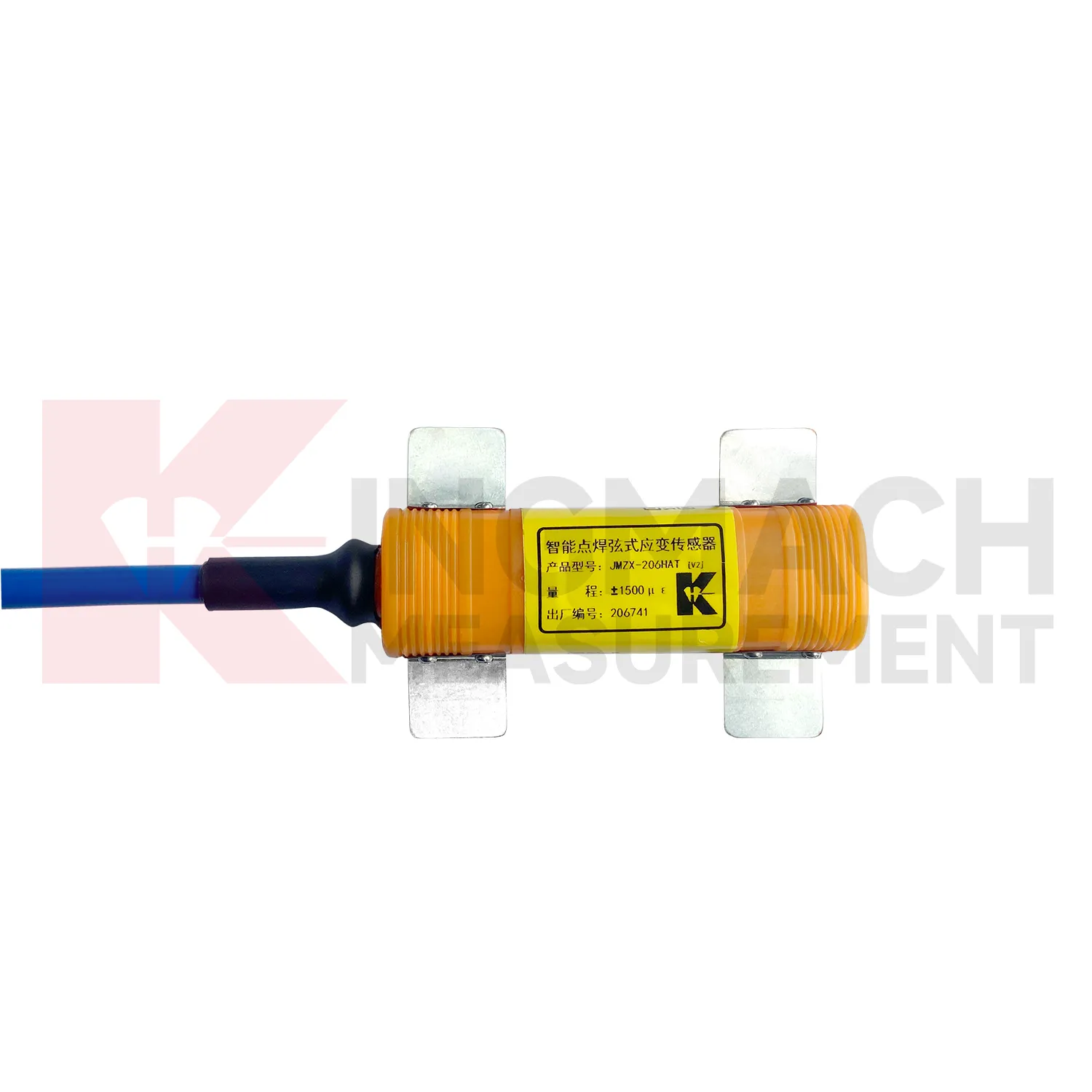
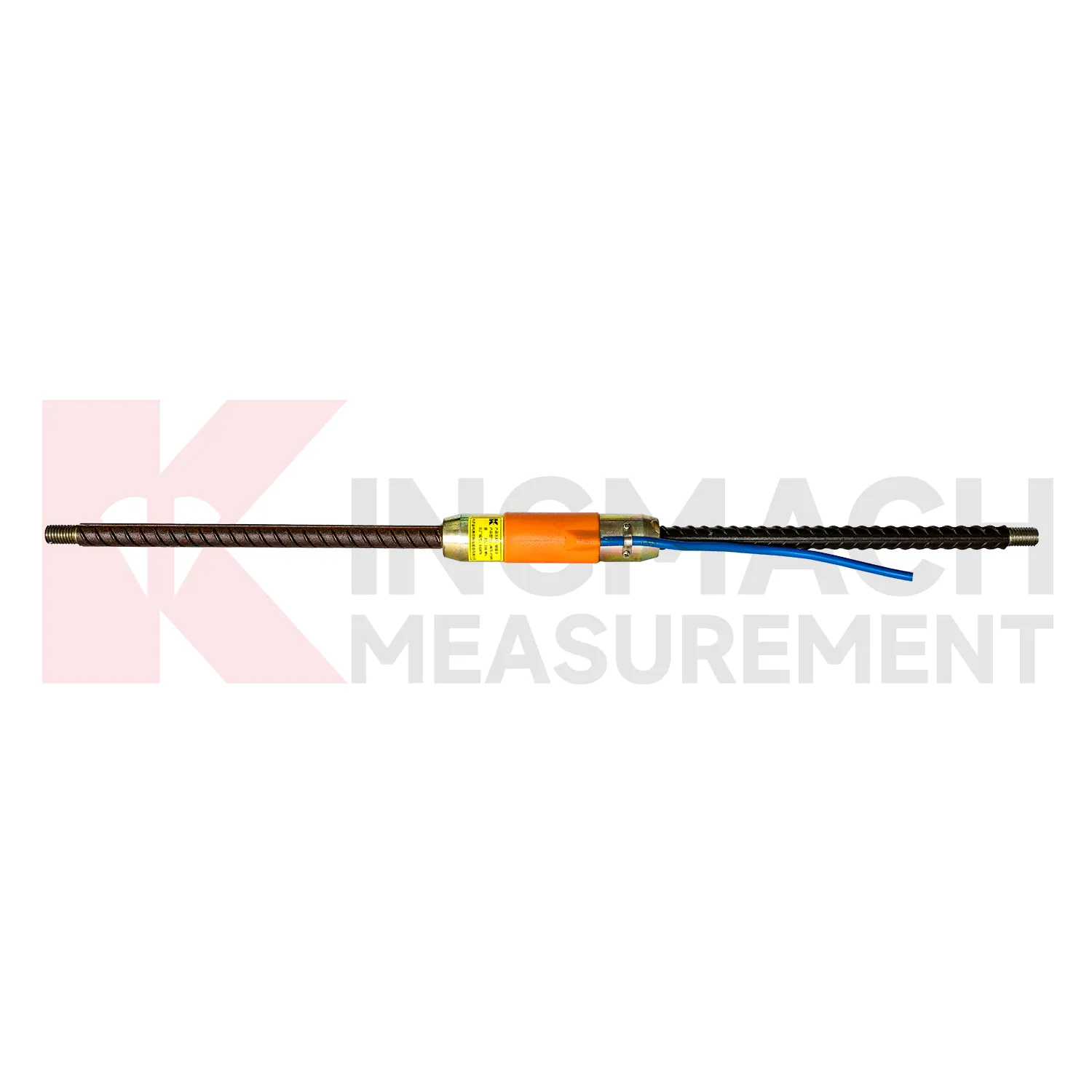
For steel members, Kingmach {keyword} includes the JMZX-206HAT surface welded model. It is built for strain measurement on steel structures such as bridges, buildings, railway facilities, pipes, tunnel linings, support members, and hydropower structures. The model has a measuring range from -1500 microstrain to +2500 microstrain, 0.5%FS accuracy, and 0.1 microstrain resolution. Installation uses a polished 10 x 80 mm flat surface and spot welding, which helps preserve the structural integrity of the steel member while forming a stable sensor connection. The low height design reduces strain error caused by bending deformation. An intelligent chip supports full digital detection, long distance signal transmission, and strong anti interference performance. An embedded memory chip stores the model, serial number, calibration coefficients, and up to 800 measurement records, which is useful when project teams need traceable sensor information in the field. The model information is useful during design review, procurement, and installation planning. Engineers can match the gauge length, range, and waterproof rating to the structure, while site teams can plan cable routing, data logger channels, and protection details before work begins. For field teams, those details also shape installation tools, spare cable length, readout selection, and protection work. They also help the owner decide whether manual reading, scheduled logging, or unattended monitoring is the better operating method.
Application of strain gauge rosettes
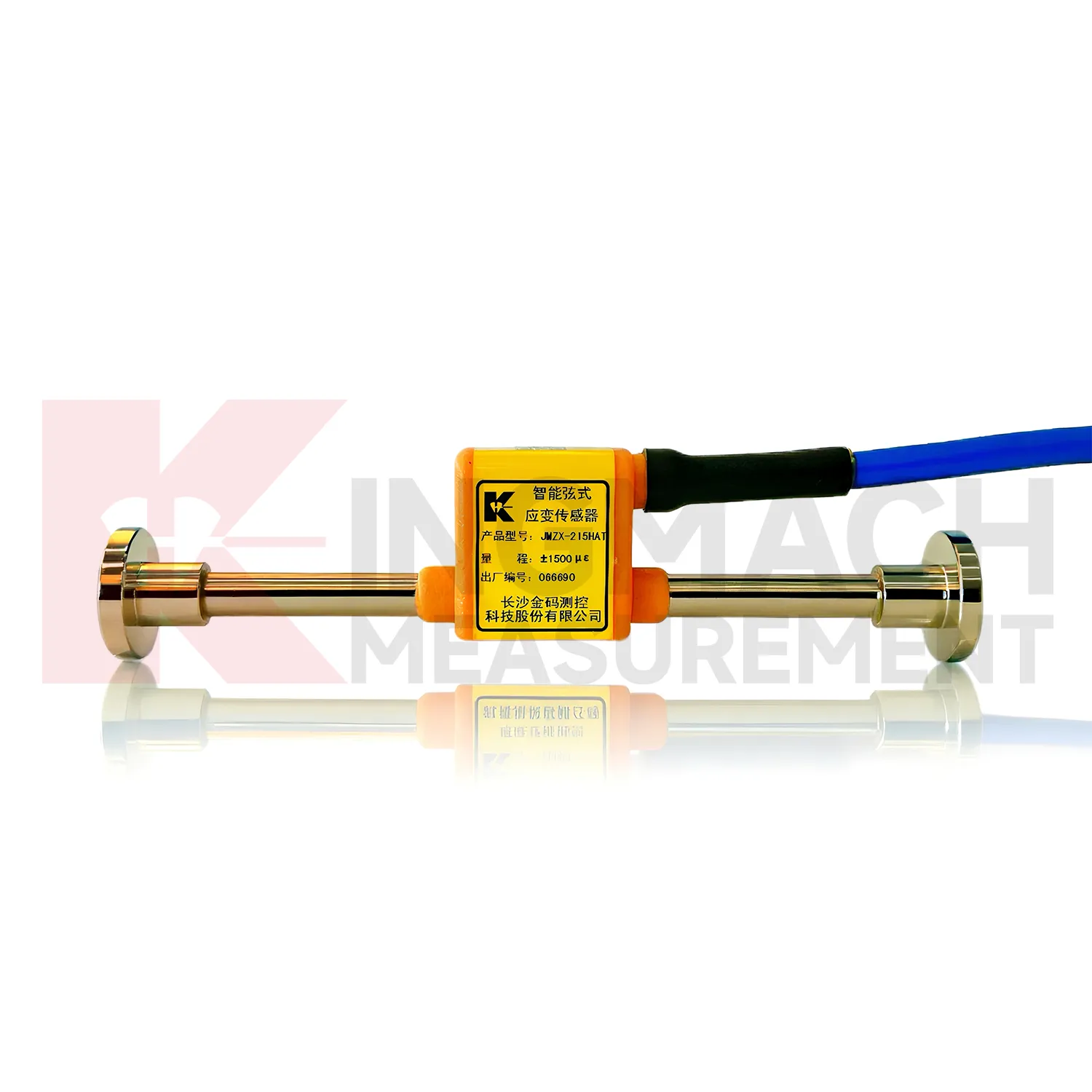
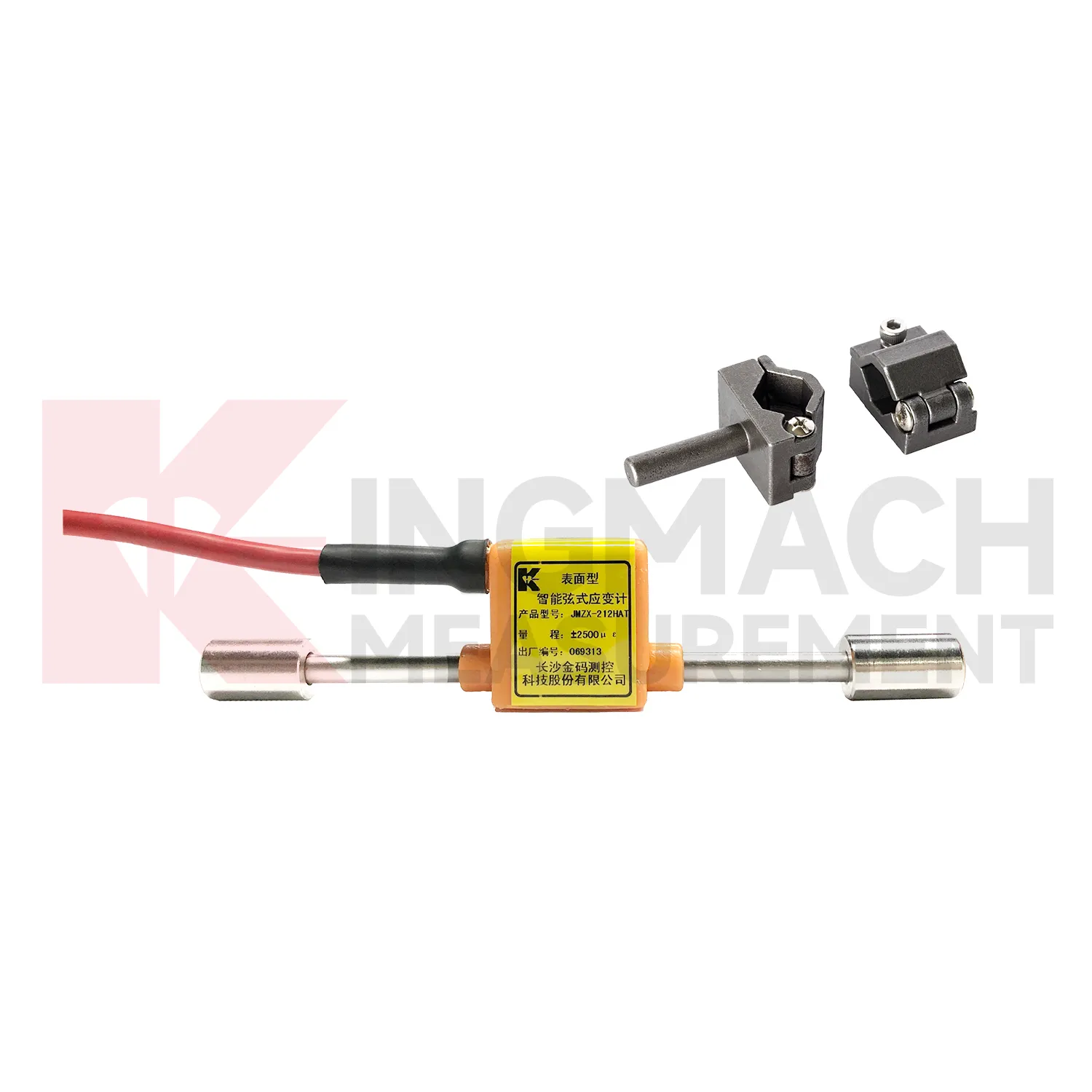
In bridge monitoring, {keyword} is used to track strain in girders, decks, steel beams, piers, reinforcement, and cable related members. The pain point is simple: bridge stress changes under traffic, wind, temperature, repair work, and long term fatigue, but visual inspection cannot show the early strain history. Kingmach surface gauges such as JMZX-212HAT/HB provide a ±2500 microstrain range, 0.5%F.S. accuracy, and 0.1 microstrain resolution for concrete or steel surface measurement. For steel members, the JMZX-206HAT welded model covers -1500 to +2500 microstrain and can store up to 800 measurement records, giving inspectors traceable field information. In bridge SHM, these readings can be compared with deflection, vibration, temperature, and crack data to identify abnormal load transfer, support force changes, or fatigue development before maintenance decisions are made. In practice, the sensor location should be selected around the expected stress path, not placed only where access is convenient. The readings become stronger evidence when they are reviewed with site events, temperature, displacement, settlement, and visual inspection notes. For field use, the strain point should be named, mapped, protected, and reviewed with nearby sensors before any alarm is judged. The same record can support staged construction control, post event inspection, and long term maintenance planning.
The future of strain gauge rosettes
Future use of {keyword} in bridges and rail systems will put more attention on fatigue, dynamic loading, and real time maintenance planning. Heavy traffic and repeated train loads create strain cycles that are easy to miss during occasional inspection. Kingmach's strain gauges can already connect with automated acquisition and monitoring platforms, while dynamic strain data loggers and vibration sensors can add context. Over time, AI based trend review may compare strain cycles with traffic periods, temperature, vibration, and displacement to flag unusual behavior. The useful path is specific: more frequent sampling where needed, better channel grouping, and alerts that refer to actual structural zones rather than anonymous numbers. The strongest future systems will still begin with correct model selection. Software can help review data, but it cannot repair a sensor installed in the wrong stress zone. Those improvements fit long term infrastructure monitoring better than one time testing. That path keeps the technology tied to field decisions, not abstract promises.
Care & Maintenance of strain gauge rosettes
Data logger and readout care affects {keyword} performance in the field. Kingmach gauges can work with comprehensive readout units and automated acquisition systems, allowing physical values or vibrating wire frequency to be displayed. During installation, confirm channel order, units, excitation settings, temperature compensation, and sensor type. During use, check power supply, grounding, communication status, memory capacity, and time synchronization. For remote projects, inspect DTU or wireless logger signal strength and backup storage after storms or power cuts. Many false alarms begin with acquisition issues rather than real structural change. A regular check of logger health, cable terminals, and channel names keeps the strain data usable for engineering review. When readings change sharply, the first response should be a calm check of site events, nearby channels, and hardware condition before any costly repair is planned. Keep these checks in the project log. Review the channel after major site work. Replace damaged protection before water reaches the connection.
Kingmach strain gauge rosettes
Engineers select {keyword} when the monitoring point must stay close to the material being measured. Surface models follow strain on concrete or steel. Embedded models are tied to rebar or brackets before concrete placement. Weldable models are fixed to steel members after surface preparation. Rebar strainmeters replace or connect with reinforcing bars to read stress inside reinforced concrete. Kingmach's strain gauge products share the same purpose even when their installation methods differ: they help describe how load, temperature, settlement, vibration, or construction activity changes the stress state of a structure. The result is a measured strain history that can be checked during inspection rather than reconstructed from memory. Temperature correction, automated acquisition, and long distance signal transmission can be included when the project needs continuous readings from exposed or hard to reach locations. Site records matter. That field record supports later inspection. It also gives engineers a cleaner baseline for later comparison.
FAQ
Q: What is the difference between surface and embedded {keyword}?
A: Surface models read strain on accessible concrete or steel surfaces, while embedded models are tied to rebar or brackets before concrete is poured.
Q: What is the difference between welded gauges and bonded gauges?
A: Welded gauges are fixed to prepared steel by spot welding, which can be more suitable for long term steel structure monitoring in some field conditions.
Q: Why use a vibrating wire design?
A: Vibrating wire signals can transmit over long distances with strong anti interference performance, which suits civil infrastructure monitoring.
Q: What does 0.1 microstrain resolution mean?
A: It means the instrument can distinguish very small strain changes, provided installation, cabling, acquisition, and environmental correction are handled correctly.
Q: Can it be used with digital platforms?
A: Yes. Strain readings can be sent through acquisition hardware to monitoring platforms for trend review, alarms, and comparison with other sensor data.
Reviews
David Wilson
We purchased displacement transducers and settlement sensors, and the quality exceeded our expectations. Easy installation and reliable performance.
Joshua Clark
We ordered a full monitoring solution including sensors and data loggers. Everything works seamlessly together. Great supplier!
Latest Inquiries
To protect the privacy of our buyers, only public service email domains like Gmail, Yahoo, and MSN will be displayed. Additionally, only a limited portion of the inquiry content will be shown.
Emma***@gmail.comCanada
Dear Sir/Madam, we are interested in displacement transducers and settlement sensors for a geotechni...
Isabella***@gmail.comGermany
Hello, we are evaluating weir flow meters for a water management project. Please share accuracy deta...
Related product categories
- strain gauge wheatstone bridge
- strain gauge data logger
- half bridge strain gauge
- sensor strain gauge
- strain gauge signal conditioner
- digital strain gauge indicators
- strain gauge data acquisition
- strain gauge data acquisition system
- strain gauge daq
- strain gauge meter
- strain gauge reader
- strain gauge full bridge force sensors