
 EN
 ar
 bg
 hr
 cs
 da
 nl
 fi
 fr
 de
 el
 hi
 it
 ko
 no
 pl
 pt
 ro
 ru
 es
 sv
 tl
 iw
 id
 lv
 lt
 sr
 sk
 sl
 uk
 vi
 et
 hu
 th
 tr
 fa
 ms
 hy
 ka
 ur
 bn
 mn
 ta
 kk
 uz
 ku

vibrating wire rebar strain meter
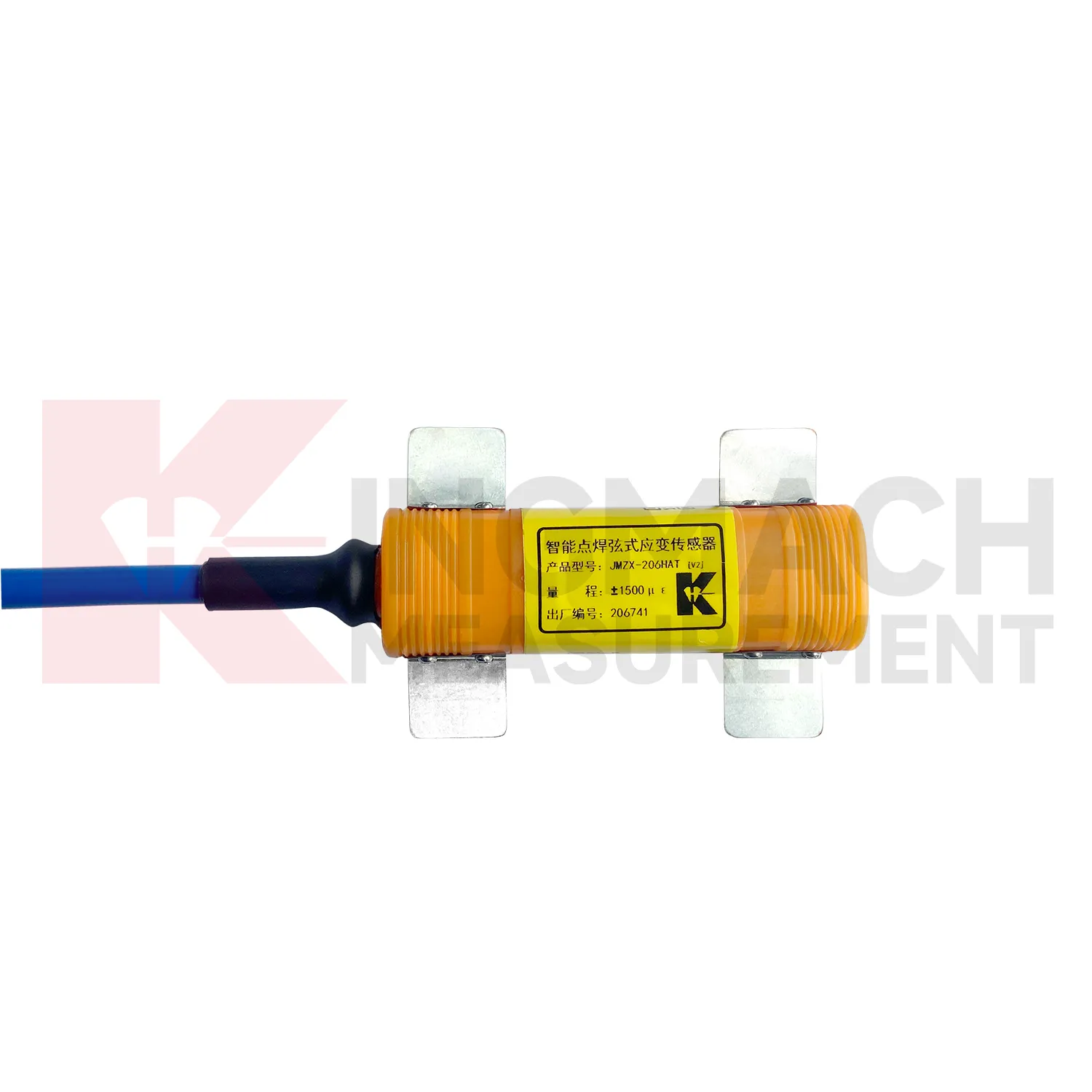
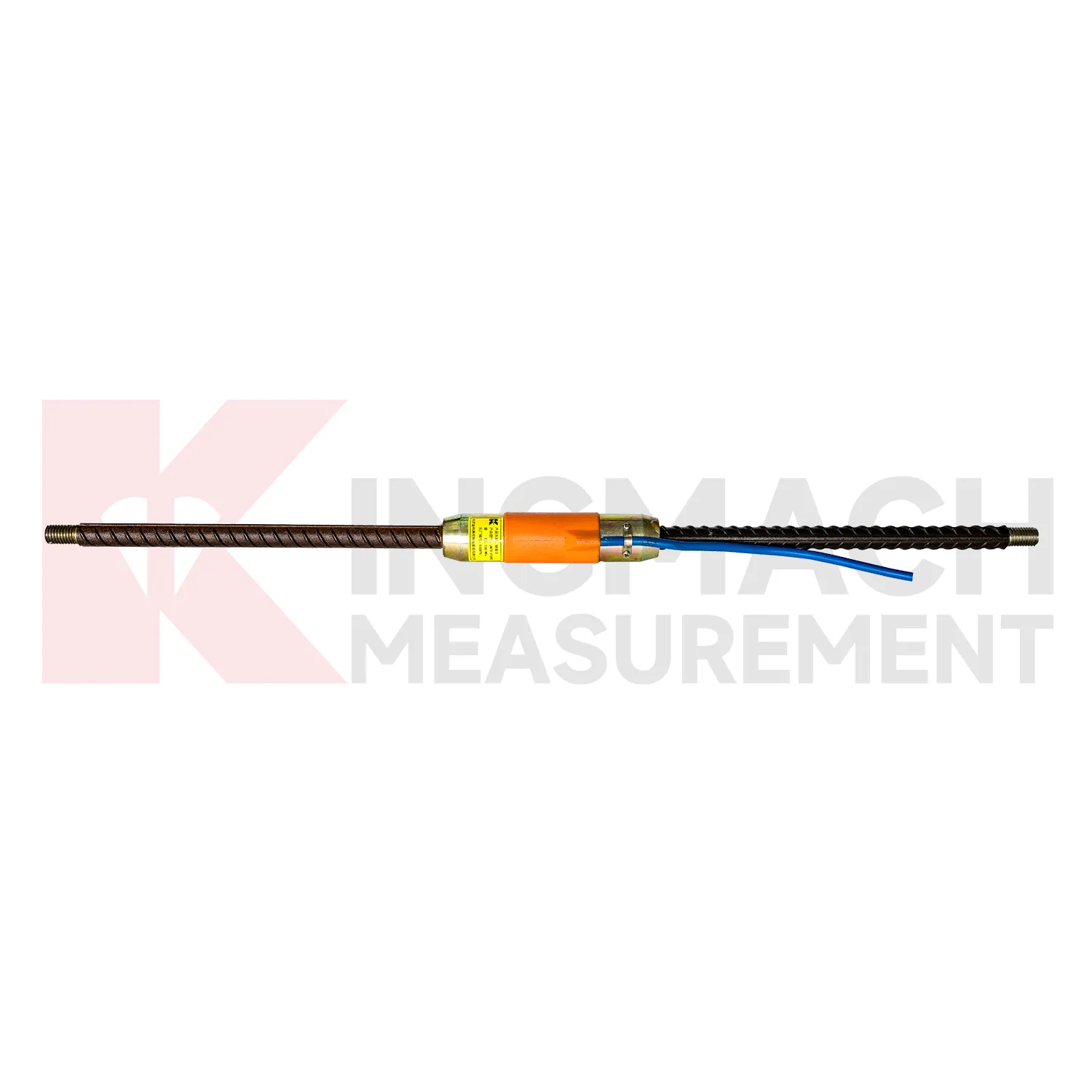
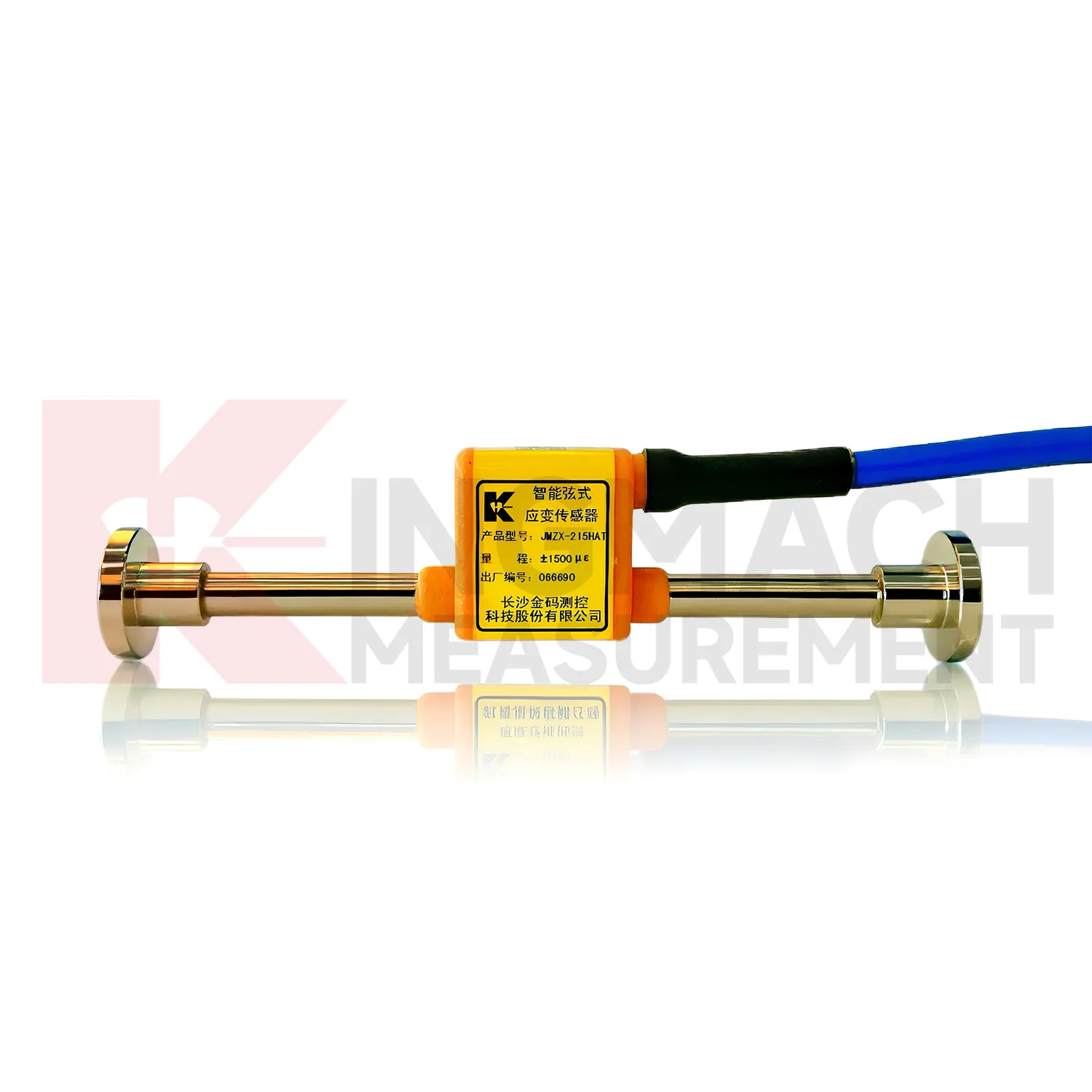
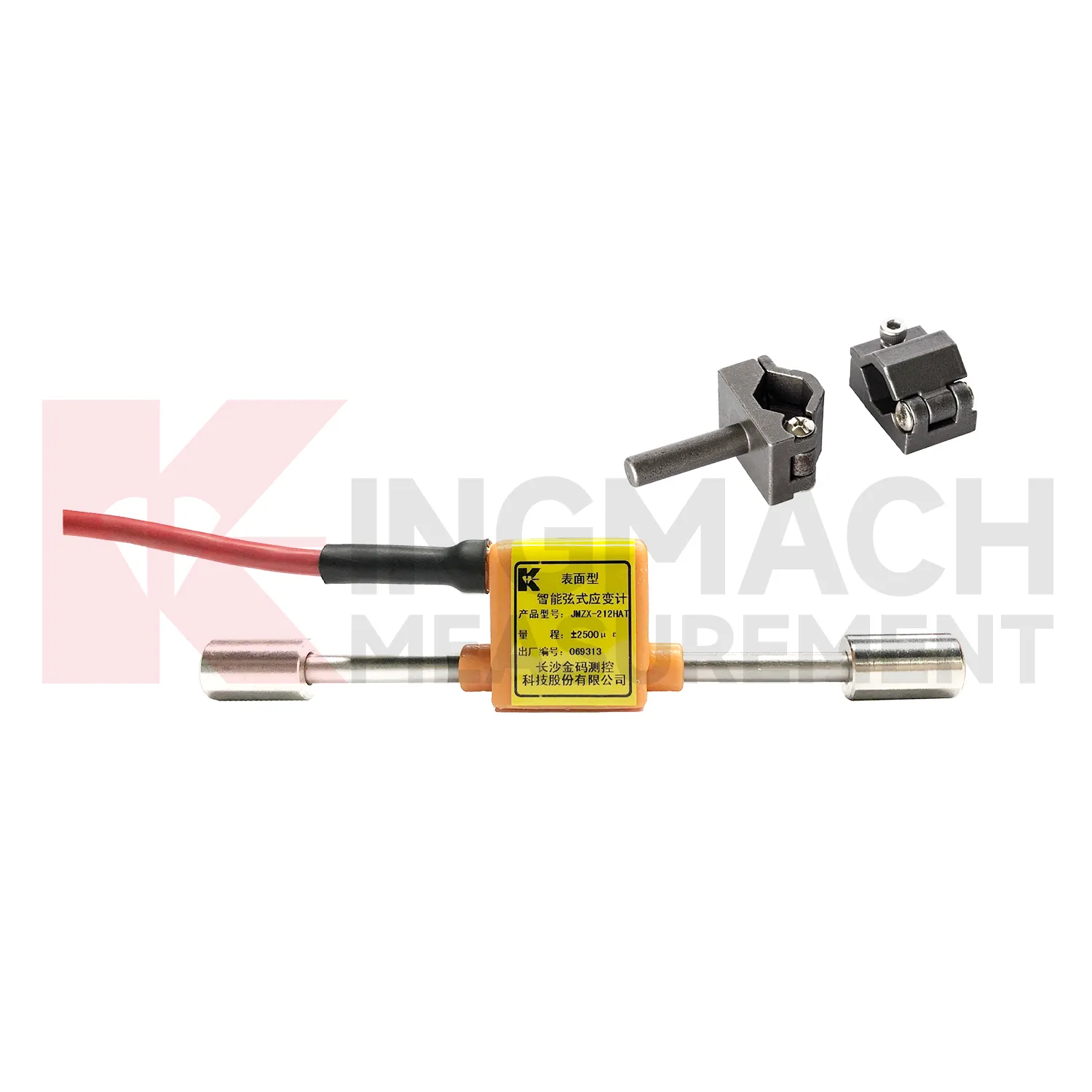
Kingmach {keyword} can be selected for different strain measurement tasks without changing the basic monitoring logic. For exposed concrete or steel surfaces, the JMZX-212HAT/HB model reads surface strain and supports temperature correction. For internal concrete behavior, the JMZX-215HA/215HAT/HB model is installed before pouring and monitors shrinkage, creep, and service strain. For steel structures, the JMZX-206HAT model uses spot welding and offers a -1500 to +2500 microstrain range. For reinforcement stress, the JMZX-4XXHAT/HB rebar strainmeter covers -200 MPa to 350 MPa. Kingmach pairs these instruments with readouts, acquisition systems, and monitoring platforms, allowing project teams to move from a single reading to a managed strain record across construction and operation. This supports several purchasing paths because the information remains product based while still covering manufacturer capability, supplier support, data acquisition, pressure sensing, force sensing, and structural monitoring needs. That is why model data, calibration values, and channel labels should travel with the product from procurement to commissioning. For field teams, those details also shape installation tools, spare cable length, readout selection, and protection work. They also help the owner decide whether manual reading, scheduled logging, or unattended monitoring is the better operating method.
Application of vibrating wire rebar strain meter
In tunnel engineering, {keyword} helps monitor lining stress, segment response, support force, and strain changes caused by excavation, ground pressure, water pressure, or nearby construction. Tunnel monitoring often faces damp air, dust, limited access, and long cable runs. Kingmach embedded strain gauges such as JMZX-215HA/215HAT/HB are installed on rebar or brackets before concrete pouring and provide a ±1500 microstrain range, 0.5%F.S. precision, and 0.1 microstrain resolution. The sealed stainless steel structure has waterproof durability up to 150 meters, which is useful for wet underground conditions. For steel supports or pipes, the JMZX-206HAT welded model can be used on a polished steel surface. The strain record helps engineers judge lining load, support behavior, concrete creep, and whether ground movement is changing the stress path. For this scene, the listed range and resolution help engineers see small changes before they become visible damage. The waterproof and anti interference features also matter because construction sites rarely provide clean laboratory conditions. The same record can support staged construction control, post event inspection, and long term maintenance planning. When data is collected automatically, engineers can compare daily movement instead of relying on occasional manual readings. This gives the project team a better way to separate normal behavior from a change that needs inspection.
The future of vibrating wire rebar strain meter
Long term durability will shape the future of {keyword}. Infrastructure owners want fewer site visits, better sealing, and sensors that remain stable after years of traffic vibration, wet tunnels, dam galleries, and exposed steelwork. Kingmach's strain gauge range already includes sealed stainless steel structures, waterproof performance up to 150 meters on several vibrating wire models, 2 MPa waterproof performance on rebar strainmeters, and thermometer ranges from -40℃ to +120℃. Future product development may focus on stronger cable protection, easier field diagnostics, and lower power acquisition for remote monitoring. These are practical improvements. A strain gauge that keeps a clean baseline for years is more useful than one that only looks impressive during commissioning. The product direction is practical rather than decorative: better sensor identity, better installation records, clearer alarm context, and easier comparison across different monitoring parameters. That path keeps the technology tied to field decisions, not abstract promises. It also makes sensor data easier to use in owner reports and maintenance meetings.
Care & Maintenance of vibrating wire rebar strain meter
Calibration and documentation keep {keyword} useful after the installation crew has left. Record the model, serial number, calibration coefficients, range, accuracy, installation position, cable route, data logger channel, and photos. The JMZX-206HAT welded model includes an embedded memory chip that stores model data, serial number, calibration coefficients, and up to 800 measurement records, but project files should still keep their own copy. During long term use, schedule periodic data review and calibration checks according to project requirements, especially before load tests or major maintenance work. If a reading changes sharply, compare it with nearby sensors, visual inspection notes, and recent site activity before making a repair decision. If the site has heavy vibration, water inflow, corrosion, or frequent repair work, inspection intervals should be shortened and any affected channels should be flagged in the monitoring log. Keep these checks in the project log. Review the channel after major site work.
Kingmach vibrating wire rebar strain meter
{keyword} is useful because strain is often the first language a loaded structure speaks. It may not show a crack, settlement mark, or visible deflection at the beginning, but the measured strain can already reveal how stress is moving through the member. Kingmach products such as JMZX-212HAT/HB surface models, JMZX-215HA/215HAT/HB embedded models, JMZX-206HAT welded models, and JMZX-4XXHAT/HB rebar strainmeters cover different installation conditions. That range allows engineers to monitor exposed concrete, internal reinforcement, welded steel surfaces, and rebar stress in reinforced concrete. The reading can support load testing, construction control, fatigue review, and long term structural health monitoring. This makes the product relevant to project owners who need early evidence of stress change before cracks, settlement, or unusual deflection become easier to see. The same data can guide inspection notes and repair timing. Site records matter. That field record supports later inspection. It also gives engineers a cleaner baseline for later comparison.
FAQ
Q: What is {keyword} used for?
A: It measures strain, reinforcement stress, or force related deformation in structures such as bridges, tunnels, dams, buildings, slopes, rail systems, wind towers, and industrial frames.
Q: Which Kingmach models are related to this product group?
A: Common models include JMZX-212HAT/HB surface gauges, JMZX-215HA/215HAT/HB embedded gauges, JMZX-206HAT welded gauges, and JMZX-4XXHAT/HB rebar strainmeters.
Q: Can it support long term monitoring?
A: Yes. Kingmach vibrating wire models are designed for long term observation and can work with readouts, automated acquisition systems, and monitoring platforms.
Q: What accuracy is available?
A: Several Kingmach strain gauge models list 0.5%F.S. accuracy, with 0.1 microstrain resolution on surface, embedded, and welded strain gauge models.
Q: Is it suitable for wet sites?
A: Yes, selected models use sealed stainless steel structures with waterproof performance up to 150 meters, while rebar strainmeters list 2 MPa waterproof performance.
Reviews
Joshua Clark
We ordered a full monitoring solution including sensors and data loggers. Everything works seamlessly together. Great supplier!
Daniel Brown
Excellent environmental monitoring sensors. The data is consistent, and the system integrates smoothly with our existing setup.
Latest Inquiries
To protect the privacy of our buyers, only public service email domains like Gmail, Yahoo, and MSN will be displayed. Additionally, only a limited portion of the inquiry content will be shown.
Isabella***@gmail.comGermany
Hello, we are evaluating weir flow meters for a water management project. Please share accuracy deta...
Amelia***@gmail.comSingapore
Hello, I am looking for visualization software for monitoring system data analysis. Please let me kn...