
 EN
EN
 ar
ar bg
bg hr
hr cs
cs da
da nl
nl fi
fi fr
fr de
de el
el hi
hi it
it ko
ko no
no pl
pl pt
pt ro
ro ru
ru es
es sv
sv tl
tl iw
iw id
id lv
lv lt
lt sr
sr sk
sk sl
sl uk
uk vi
vi et
et hu
hu th
th tr
tr fa
fa ms
ms hy
hy ka
ka ur
ur bn
bn mn
mn ta
ta kk
kk uz
uz ku
ku
weir flow meter steep discount
The automatic data path for Kingmach weir flow meter steep discount should be planned before the site is closed or flooded. Flow records need clear time stamps, stable communication, correct units, and a point name that matches the physical channel. If a project has more than one weir point, the names should identify the structure, flow direction, and purpose. The data platform should allow operators to see normal patterns, storm response, maintenance effects, and abnormal events without guessing which point they are reviewing. A clean data path also helps when flow is compared with rainfall, water level, seepage, or gate operation. Good acquisition planning makes the measurement easier to trust and easier to use in daily operation. The strongest flow reports are written around decisions. They show whether to keep observing, clean the channel, inspect upstream conditions, check downstream backwater, or compare the point with another water-level or rainfall record. A weir point also needs safe routine access. If staff cannot reach the crest, enclosure, or sensing area during wet weather, the project may collect data but struggle to maintain confidence in it when the record is most important. Designers, operators, maintenance staff, and owners may read the same curve, so the record needs clear site conditions, inspection notes, and action history in plain engineering language.
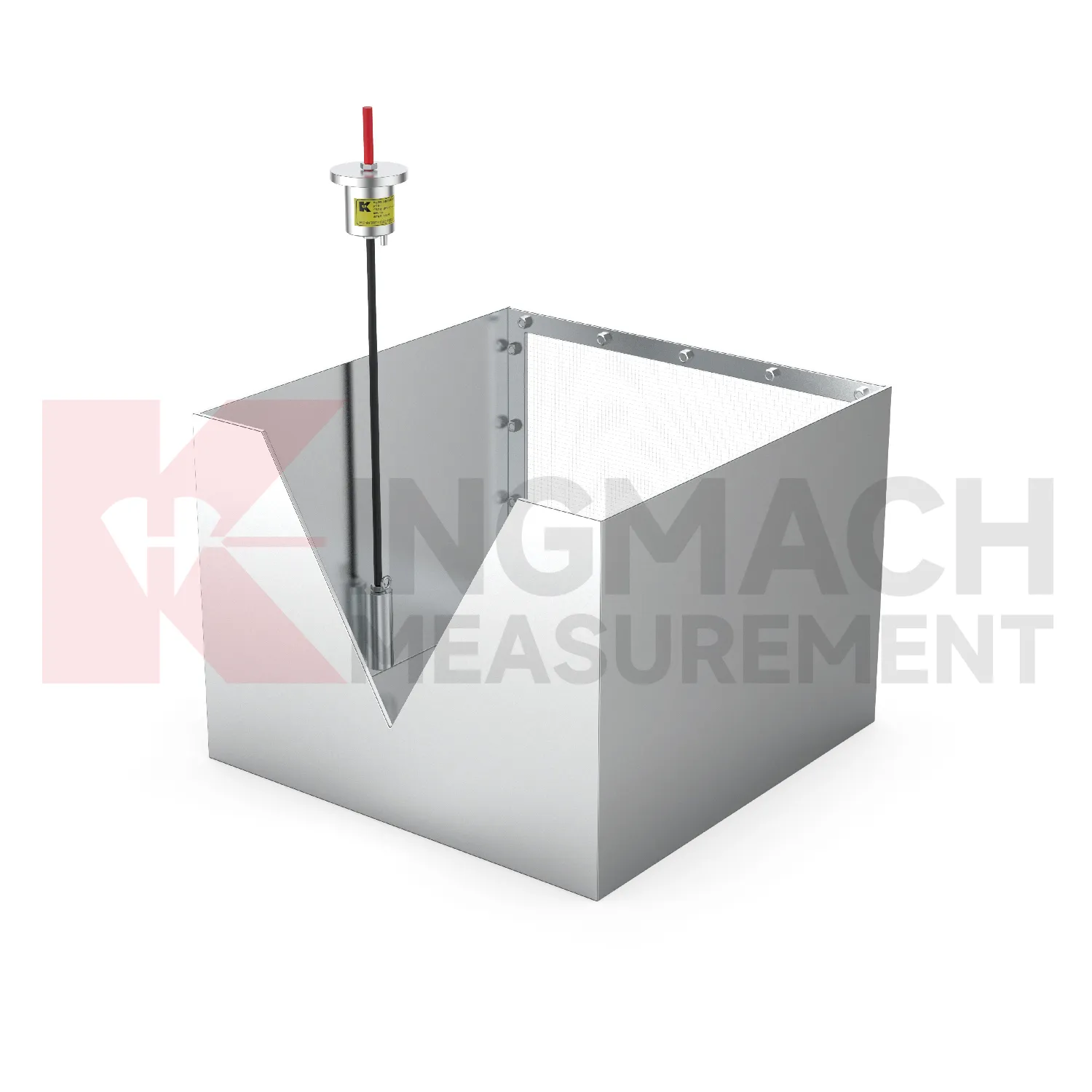
Application of weir flow meter steep discount
Drainage systems use Kingmach weir flow meter steep discount to understand how water leaves a site during routine conditions and storm events. In urban drainage, construction drainage, tunnel drainage, and industrial outfalls, operators often need to know whether flow is increasing, delayed, reduced, or blocked. A weir-based record can help compare rainfall timing with discharge timing. If rain stops but flow remains high, the system may be draining stored water. If rainfall is heavy but flow is lower than expected, blockage, sediment, pump operation, or downstream backwater may need inspection. The monitoring point should be installed where it represents the drainage channel, not where turbulence or local obstruction dominates. A clear drainage record supports maintenance scheduling and post-storm review. It can also help teams document what happened during a specific rain event without relying on memory. The report should connect the curve with rainfall time, cleaning work, pump changes, outlet condition, and any temporary diversion. That makes it easier to decide whether the drainage network behaved normally, whether capacity is being lost, or whether a local restriction needs field attention before the next storm. The same record can guide cleaning intervals and help justify drainage improvements when repeated restrictions appear. before problems escalate further.
The future of weir flow meter steep discount
Digital handover will be a stronger future requirement for Kingmach weir flow meter steep discount. A flow point may remain in operation for years, long after the installation team has left. Future handover records should include the purpose of the point, channel photographs, weir geometry notes, water head reference, cable route, data channel, cleaning access, and first stable record. This context helps later reviewers understand whether the point measures drainage, irrigation, seepage, process water, or another water path. A good handover file keeps the flow curve meaningful through staff changes, repairs, and changes in site operation. Future systems should make that file easy to update after every important field action. If a crew cleans sediment, replaces a cable, adjusts a reference, or changes a platform channel, the note should stay with the station history. This turns handover from a one-time folder into a living record that protects long-term interpretation. It also helps new teams avoid repeated investigation.
Care & Maintenance of weir flow meter steep discount
Calibration and verification for Kingmach weir flow meter steep discount should be treated as part of operation. The team should compare the flow record with visible site behavior, maintenance notes, and any manual checks used by the project. Verification does not always require a complex procedure; sometimes it means confirming that water passes the crest cleanly and that the recorded trend matches the observed condition. If a repair, cleaning, or channel modification occurs, a post-work check should be saved. This keeps the measurement defensible when flow data is used for reports, water accounting, or operating decisions. Verification notes should record who checked the point, what reference was used, whether the channel was stable, and whether unusual weather or upstream activity affected the reading. A dated note beside the data curve is often more useful than a vague pass or fail mark. It helps reviewers understand the field condition before comparing monthly totals or investigating a sudden shift.
Kingmach weir flow meter steep discount
A strong Kingmach weir flow meter steep discount record supports more than one team. Designers may care about hydraulic behavior, operators may care about regulation, maintenance staff may care about debris and cleaning, and owners may care about water accounting and risk. The record is easier to use when it states where the water passes, how the head is read, what can disturb the flow, and how the data supports decisions. Avoiding product and parameter lists makes the message clearer. The buyer needs to understand how the measurement will work in the channel, not memorize a specification table. A weir point also needs safe routine access. If staff cannot reach the crest, enclosure, or sensing area during wet weather, the project may collect data but struggle to maintain confidence in it when the record is most important. Designers, operators, maintenance staff, and owners may read the same curve, so the record needs clear site conditions, inspection notes, and action history in plain engineering language.
FAQ
Q: What should buyers define before ordering?
A: Define the water path, measuring purpose, channel condition, access, data review method, maintenance plan, and related site records.
Q: Can one flow point answer every water question?
A: No. Each point should represent a defined channel or discharge path and should be linked to the engineering question it supports.
Q: Why avoid product and parameter lists in the page?
A: Readers need to understand how the flow point works in the channel, how it is maintained, and how the data supports decisions.
Q: What makes long-term flow data reliable?
A: Stable installation, clean hydraulic control, consistent maintenance, clear units, point photos, and visible repair history make long-term data reliable.
Q: How should flow data be reported?
A: Reports should show the measured channel, time period, flow trend, related site conditions, inspection notes, and any action taken. For water accounting or resource management, the same section, reference point, and maintenance discipline make seasonal and operational comparison reliable.
Reviews
Daniel Brown
Excellent environmental monitoring sensors. The data is consistent, and the system integrates smoothly with our existing setup.
Robert Taylor
The weir flow meter is well-built and delivers accurate measurements. Great value for water management applications.
Latest Inquiries
To protect the privacy of our buyers, only public service email domains like Gmail, Yahoo, and MSN will be displayed. Additionally, only a limited portion of the inquiry content will be shown.
Evelyn***@gmail.comSouth Africa
Hi, we are a contractor working on tunnel construction and need settlement sensors and displacement ...
Mia***@gmail.comNetherlands
Dear team, we are interested in your readouts & data loggers compatible with multiple sensors. Do yo...