
 EN
EN
 ar
ar bg
bg hr
hr cs
cs da
da nl
nl fi
fi fr
fr de
de el
el hi
hi it
it ko
ko no
no pl
pl pt
pt ro
ro ru
ru es
es sv
sv tl
tl iw
iw id
id lv
lv lt
lt sr
sr sk
sk sl
sl uk
uk vi
vi et
et hu
hu th
th tr
tr fa
fa ms
ms hy
hy ka
ka ur
ur bn
bn mn
mn ta
ta kk
kk uz
uz ku
ku
wireless displacement sensor
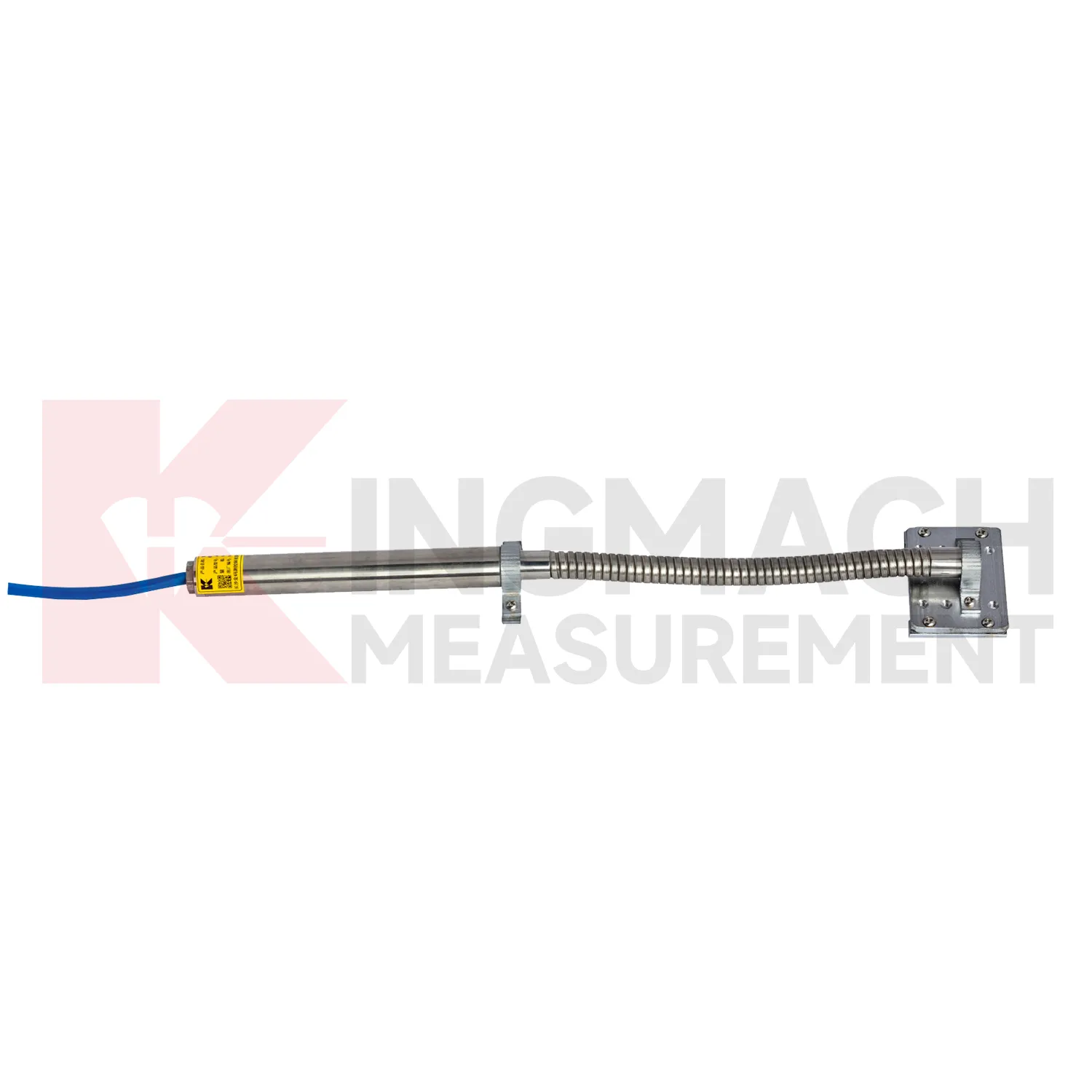
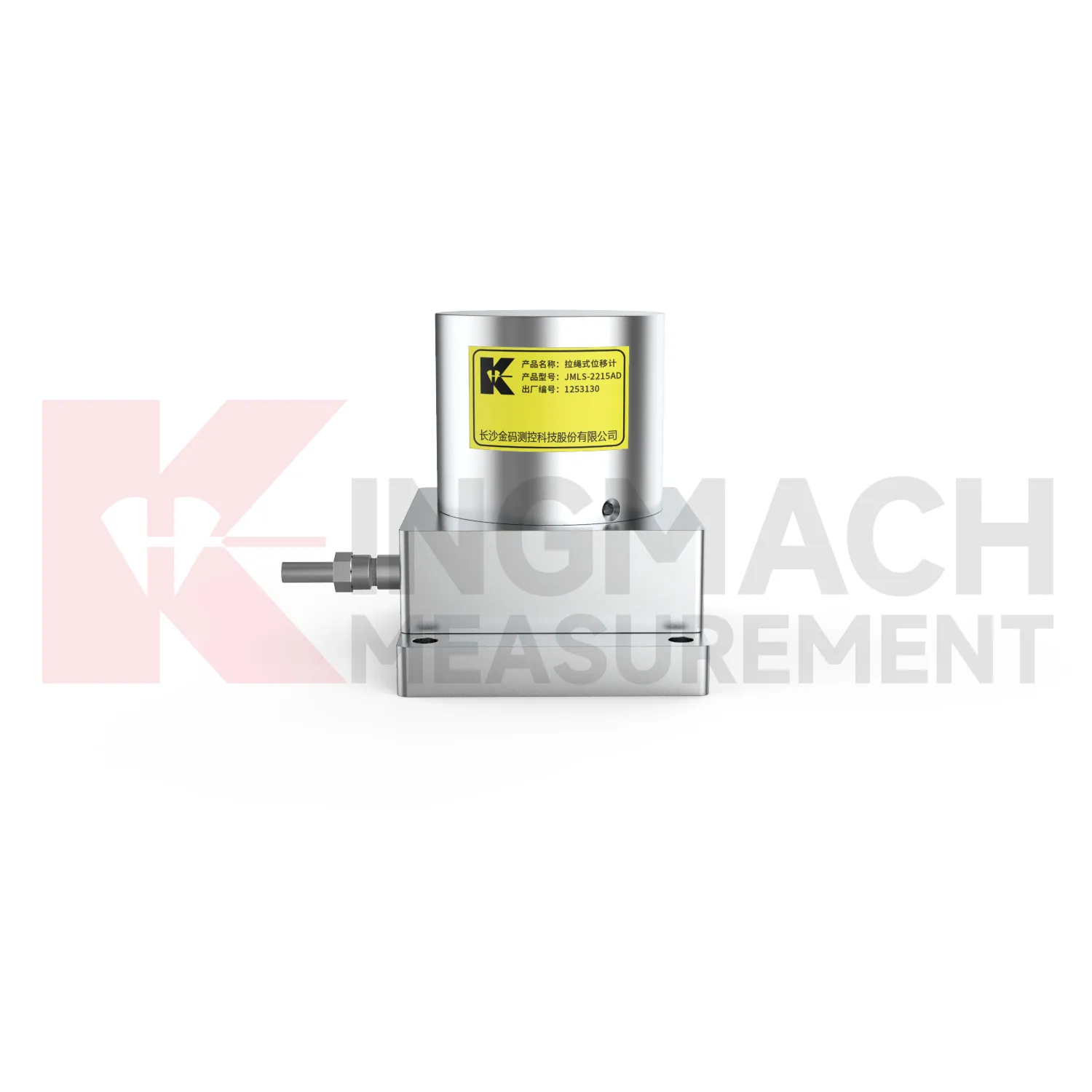
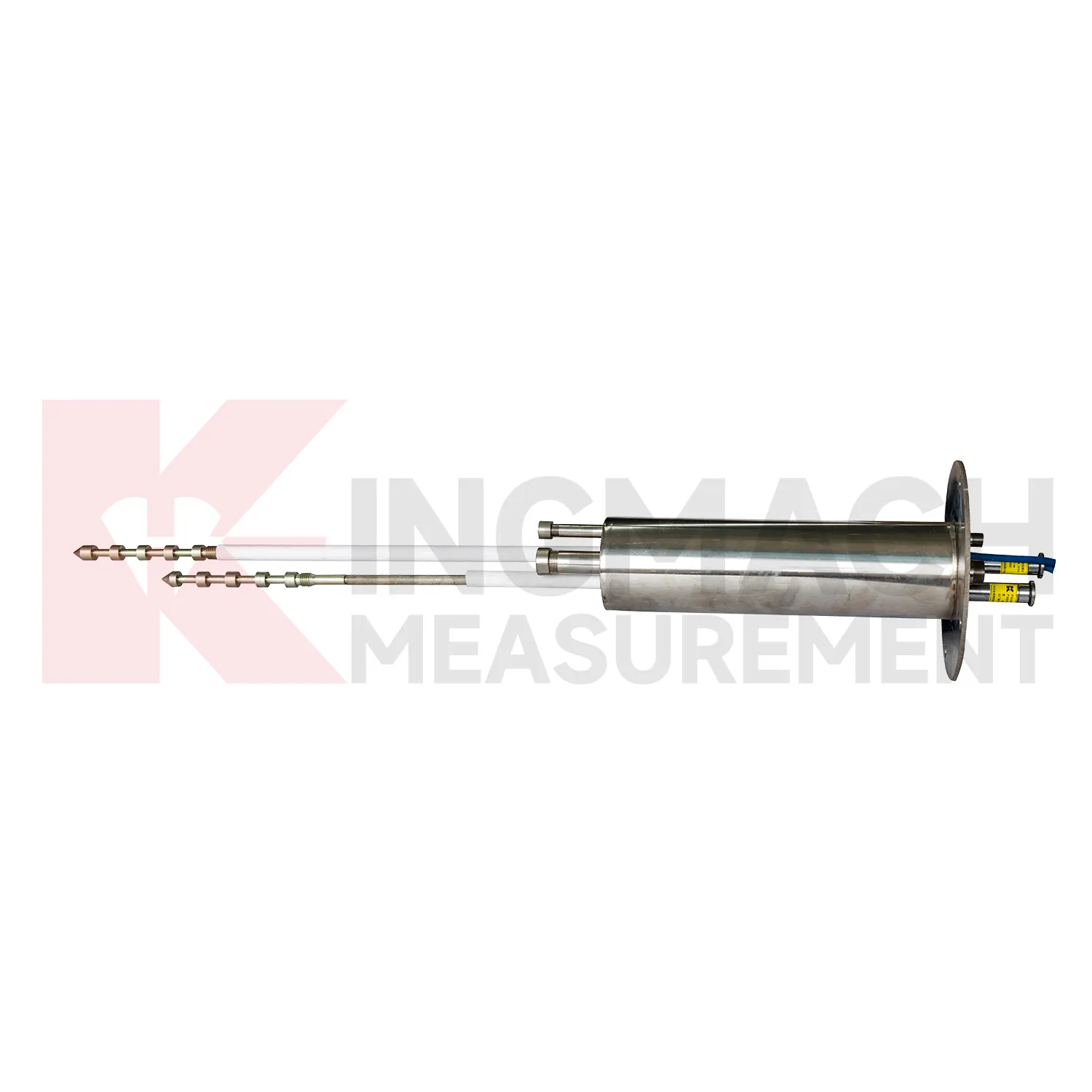
The JMLS-22XXADT Wire Rope Displacement Sensor broadens Kingmach wireless displacement sensor into long-travel and flexible-path displacement measurement. It uses a retractable plastic-coated stainless steel cable wound around a spool and a precision rotary sensor. When the cable extends or retracts, resistance changes are converted into displacement data. Listed ranges include 0 to 500 mm, 0 to 1000 mm, and 0 to 2000 mm. Product information gives 0.1 mm resolution, 0.2%FS accuracy, DC 9V to 24V operating voltage, power consumption at or below 0.3 W, RS485 communication at 2400 bps, IP67 sealing, operating temperature from -30 degrees Celsius to +70 degrees Celsius, dimensions of 115 mm by 85 mm by 100 mm, and approximately 1 kg weight. The product supports linear and curved displacement monitoring, making it useful for dam monitoring, geohazard prevention, tunnel clearance, machinery position, soil and rock movement, and long-distance movement between two points. During project setup, the measuring point should be matched with the expected travel direction, available mounting space, cable route, and required acquisition interval. This prevents a short-range joint instrument from being used on a long-travel point, or an exposed sensor from being placed where an embedded anchor is needed. It also helps the monitoring team set a baseline that can be defended during acceptance and later maintenance review.
Application of wireless displacement sensor
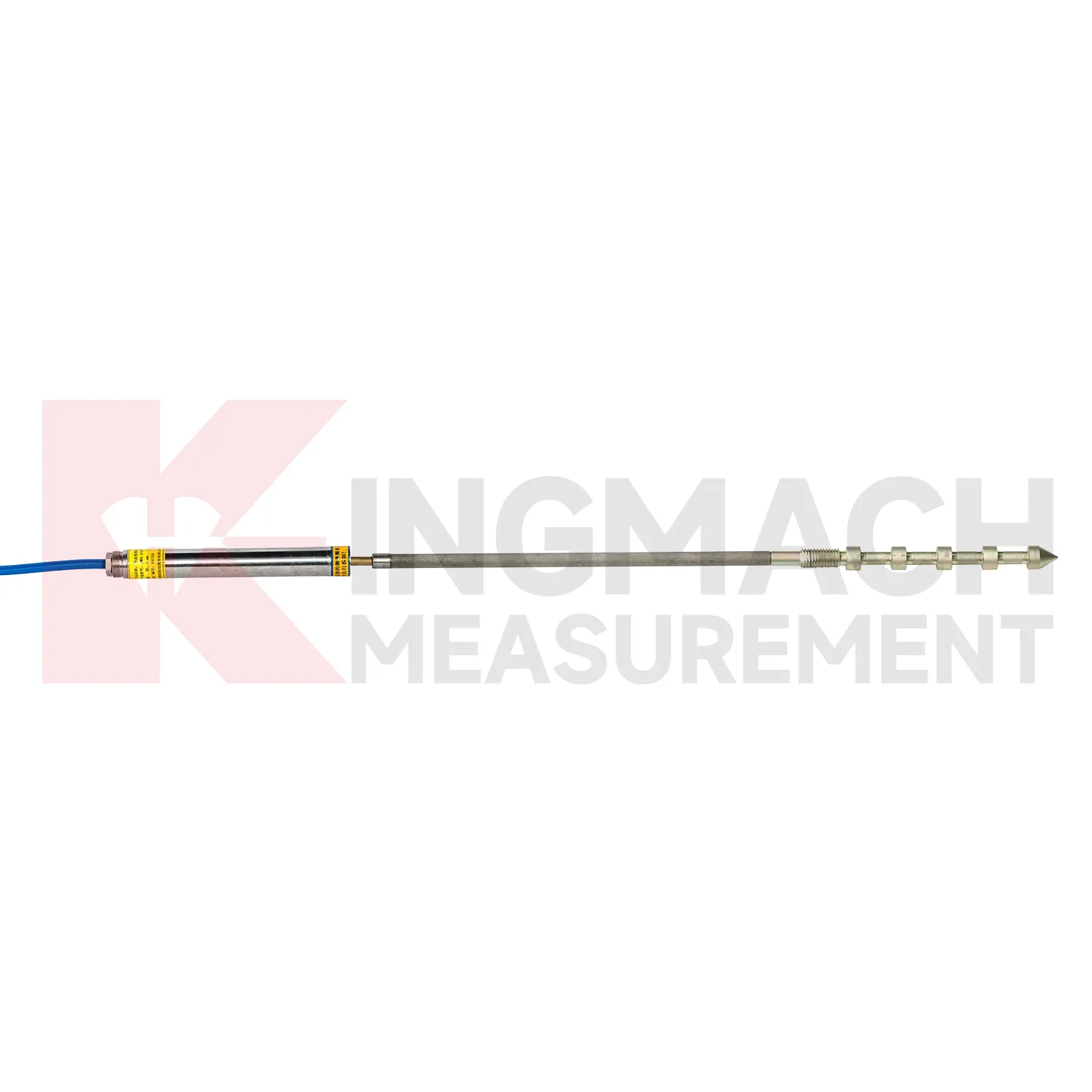
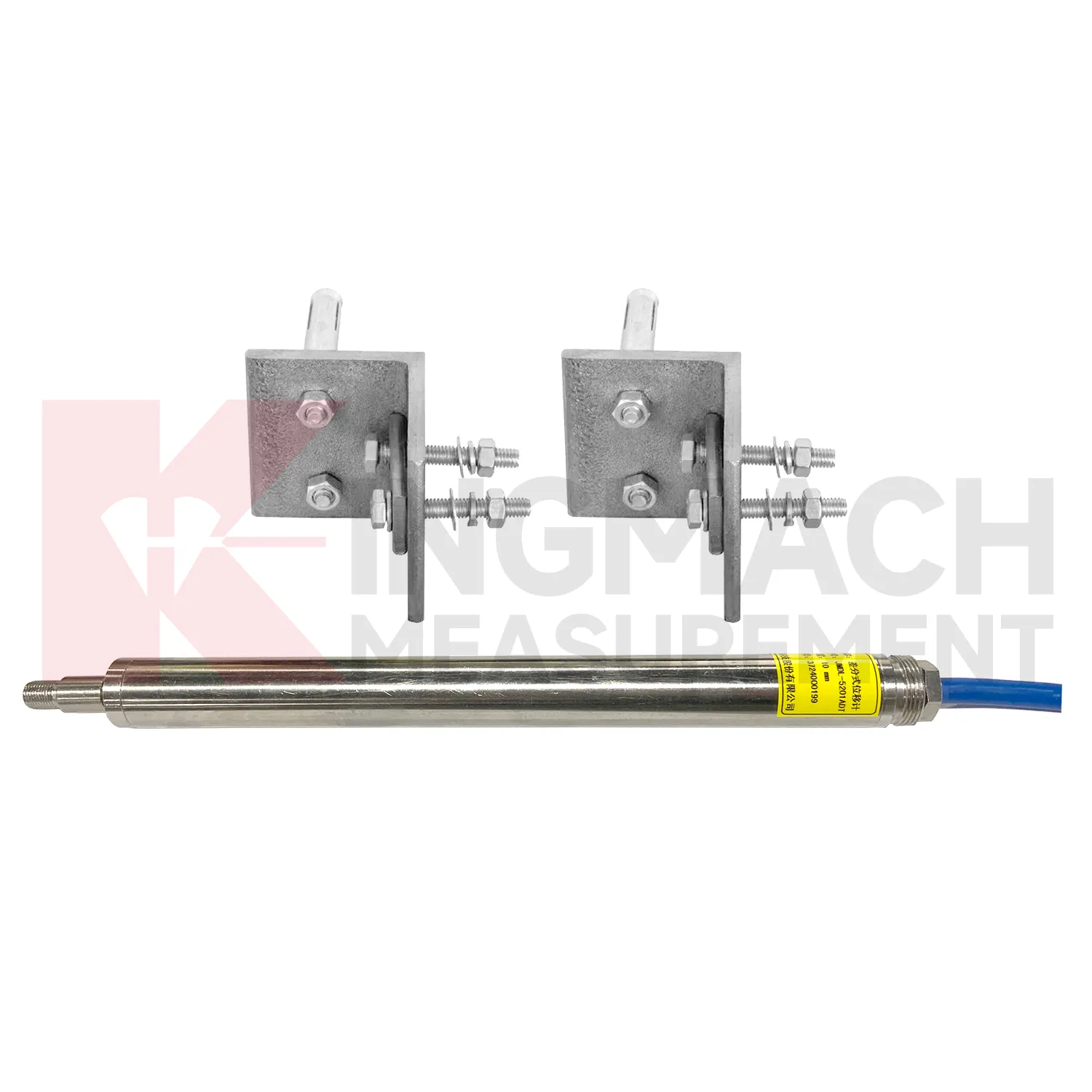
In railway and highway subgrade monitoring, wireless displacement sensor are used to observe geogrid deformation, embankment movement, track foundation displacement, culvert joint movement, and settlement-related structural shifts. The field problem is that deformation may occur inside reinforced soil or pile-net foundations where visual inspection cannot reach after backfilling. Kingmach JMDL-24XXAT flexible displacement meters are designed for geogrid materials in reinforced soil and pile-net subgrade foundations. The bendable measuring rod can deform with the geogrid, while both ends are clamped using mounting brackets. Listed ranges are 30 mm and 50 mm, with 0.01 mm sensitivity, 0.5%FS accuracy, 20-point curve fitting, and a designed service life up to 30 years. For larger movement, JMLS-22XXADT wire rope sensors and JMDL-49XXAT formwork or steel wire meters can support long-distance displacement monitoring. These readings help maintenance teams connect settlement, traffic load, rainfall, and construction records. During operation, the monitoring team should keep the baseline, temperature, inspection notes, and nearby sensor behavior in the same review file. This makes it easier to tell whether a movement trend comes from normal service, a repair event, changing load, water influence, or developing structural risk. Clear records also help owners decide when a field inspection is needed instead of waiting for visible damage.
The future of wireless displacement sensor
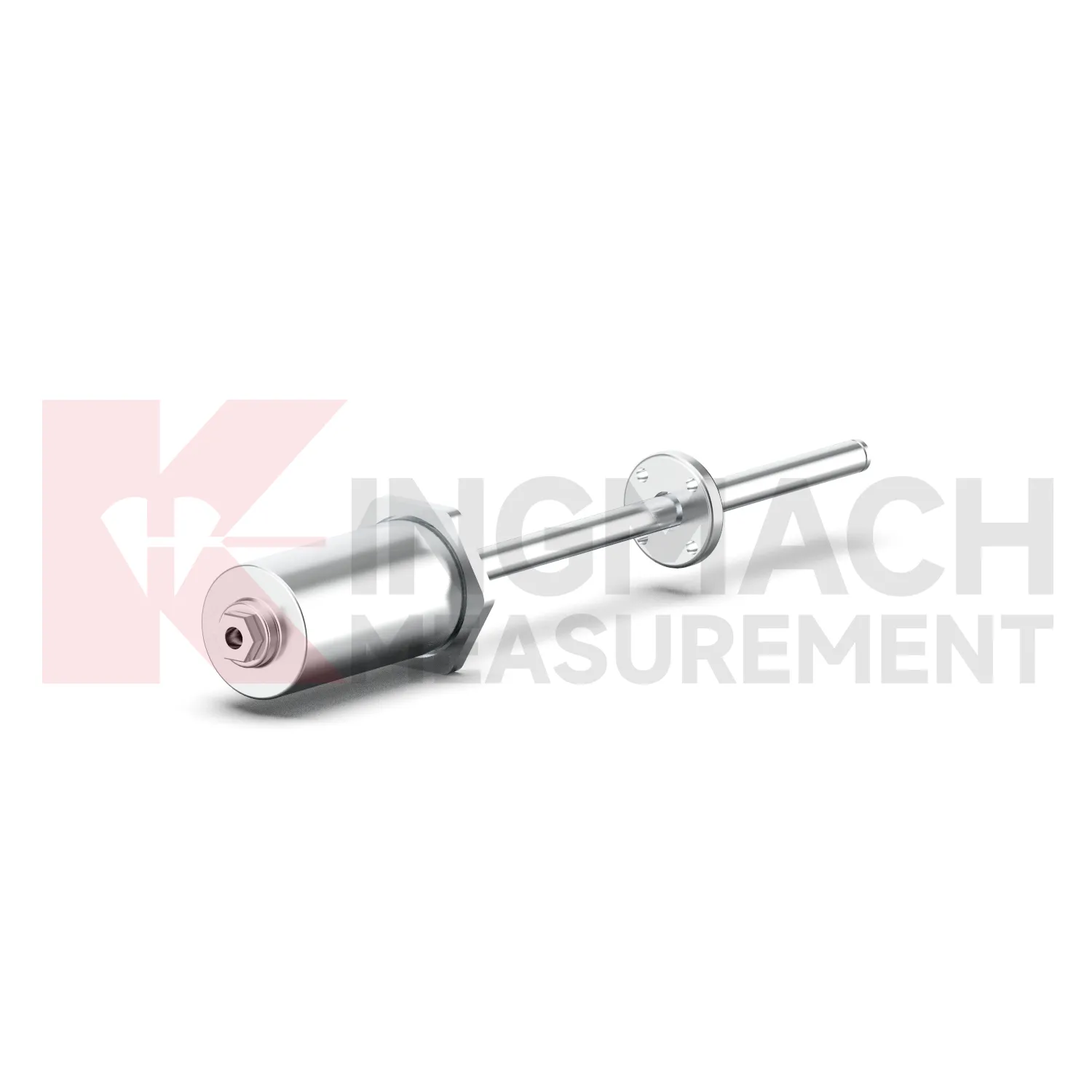
The future of wireless displacement sensor in infrastructure will depend on better integration with digital twins and asset management records. A displacement reading becomes more useful when it is tied to a drawing location, construction stage, material zone, inspection photo, and repair history. Kingmach products such as JMDL-31XXAT multipoint meters and JMDL-32XXAT bedrock meters can represent movement at depth, while JMDL-52XXADT differential meters and JMDL-22XXAT crack gauges represent surface or joint movement. Future platforms can map these readings onto tunnel sections, dam galleries, bridge joints, or slope profiles, allowing engineers to see where deformation is growing. This is especially useful when movement is small but repeated. A millimeter trend may not seem urgent in one report, but over months it may show a clear relationship with rainfall, traffic, excavation, or water level. The strongest systems will still depend on careful installation, because digital tools cannot correct a loose bracket, wrong range, or poorly recorded baseline. Clear reporting will make displacement monitoring more useful for non-specialist decision makers while preserving the detail engineers need.
Care & Maintenance of wireless displacement sensor
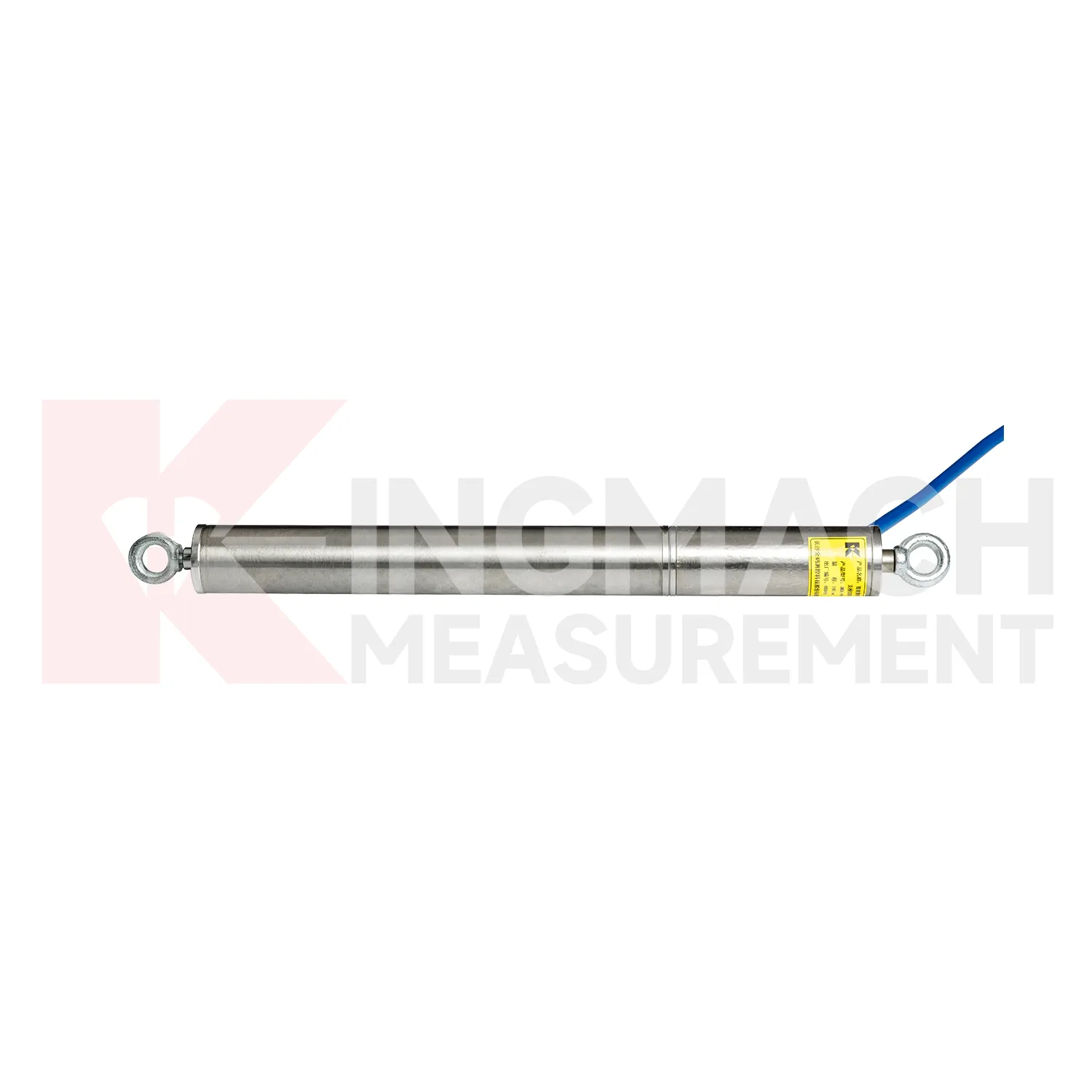
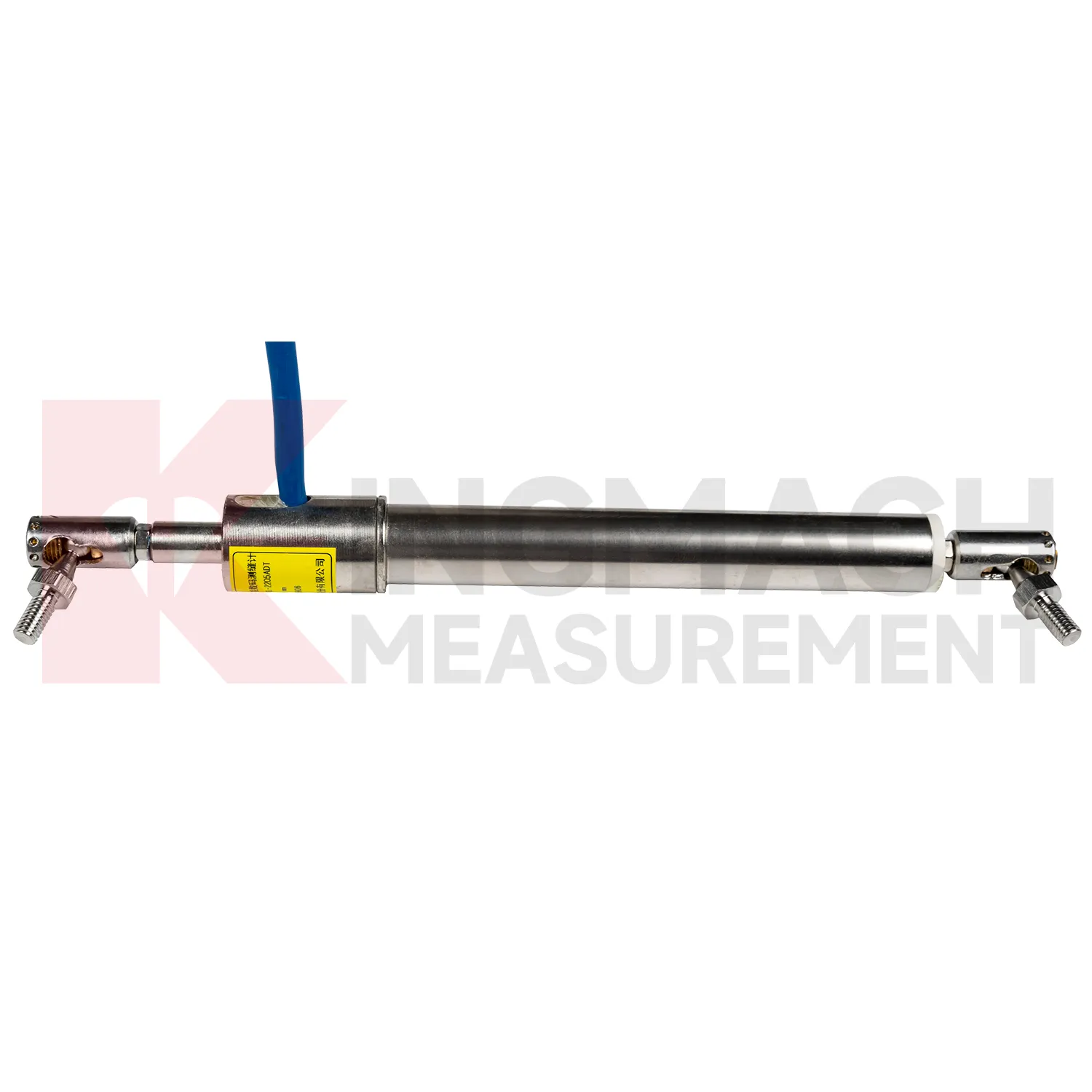
For formwork and construction-stage wireless displacement sensor, inspection frequency should match the work rhythm. Kingmach JMDL-49XXAT formwork displacement meters may be used during concrete pouring, steel pipe support monitoring, tunnel portal movement, slope sliding, dam displacement, or railway subgrade monitoring. The product lists IP68 protection, 0.01 mm sensitivity, 0.5%FS accuracy, and a 30-year service life, but construction sites can still damage connectors, brackets, and cables quickly. Before pouring, confirm the zero reading, bracket tightness, cable route, warning level, and acquisition interval. During pouring or loading, watch for sudden jumps that match pump movement, support adjustment, or worker contact. After the stage is complete, inspect whether the sensor was knocked, buried, or moved. Keep time and temperature records with displacement readings because short-term construction movement can be different from long-term structural deformation. Keep the installation photo, point number, zero value, and expected movement direction with the commissioning record for later review. If a reading changes after maintenance work, inspect the base, anchor, cable, and cabinet before assuming the structure itself has moved.
Kingmach wireless displacement sensor
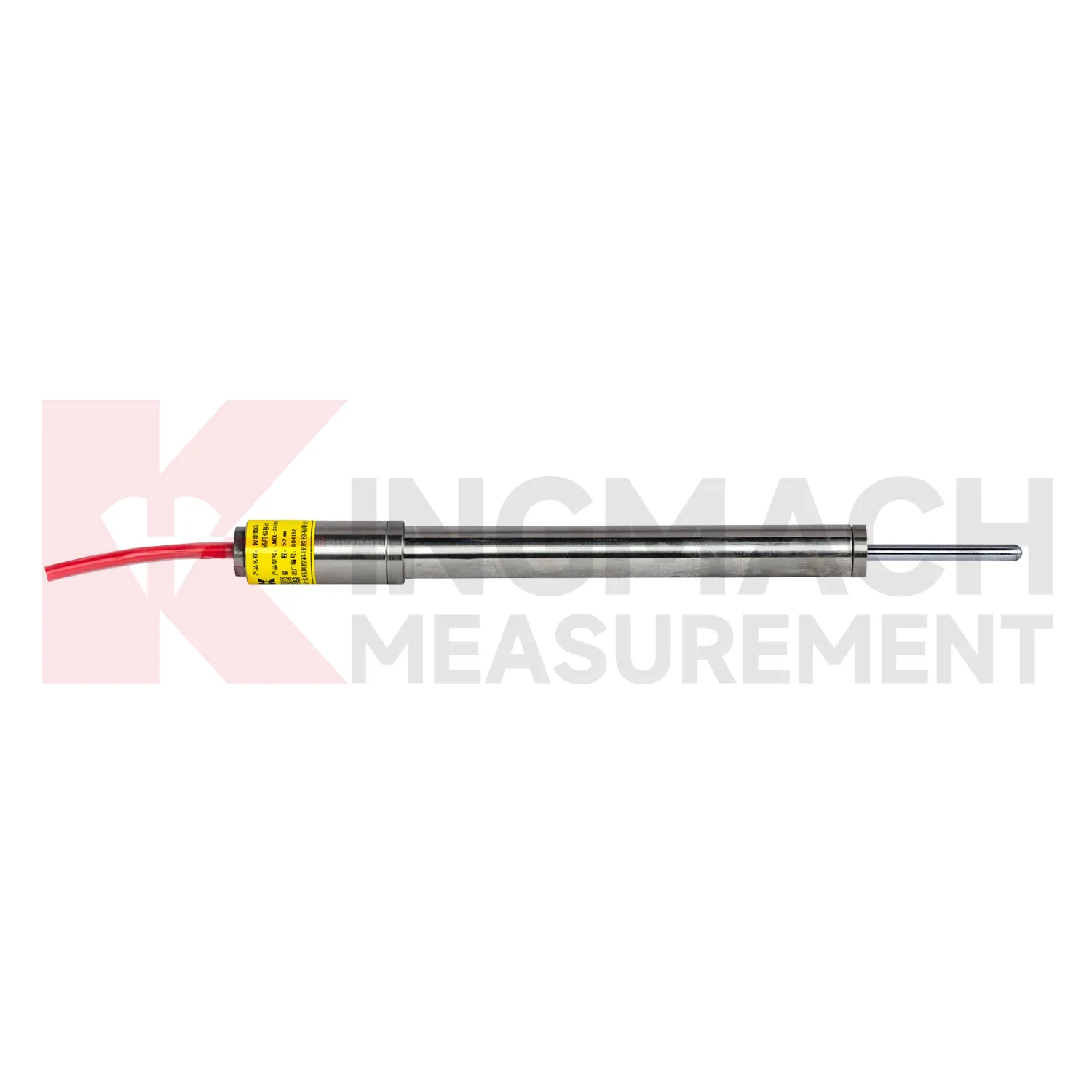
For procurement teams, wireless displacement sensor should be matched to the way movement actually happens. Linear joint travel, crack width change, formwork settlement, rock layer slip, geogrid strain, hydraulic cylinder position, and long span cable pull are not the same measurement task. Kingmach's JMDL-52XXADT differential displacement meter lists 20 mm, 50 mm, and 100 mm ranges with 0.01 mm resolution, plus RS485 output and low temperature drift. The JMLS-22XXADT wire rope sensor reaches 500 mm, 1000 mm, and 2000 mm ranges with 0.1 mm resolution and IP67 sealing. The JMDL-49XXAT formwork meter is built for construction sites with IP68 protection and a 30-year designed service life. A good specification therefore starts with travel distance, mounting access, water exposure, signal distance, power supply, and whether the point must remain readable after construction equipment leaves the site. The point should be named on the drawing, linked with its cable route, and checked against the expected movement direction before the first automatic reading is accepted. For daily review, the reading should be compared with nearby points, recent weather, site operations, and any loading event that could explain the movement.
FAQ
Q: What are wireless displacement sensor used for?
A: They measure movement such as relative displacement, crack width, expansion joint travel, bedrock deformation, rock layer movement, geogrid deformation, formwork settlement, and equipment stroke.
Q: Which Kingmach models belong to this category?
A: Common models include JMDL-21XXAT, JMDL-22XXAT, JMDL-24XXAT, JMDL-31XXAT, JMDL-32XXAT, JMDL-49XXAT, JMDL-52XXADT, JMCW-21XXADT, and JMLS-22XXADT.
Q: What range should be selected first?
A: Start from the expected movement. Short joint monitoring may need 20 mm to 100 mm, while draw-wire or equipment travel may require 500 mm to 2000 mm.
Q: Can these products support remote monitoring?
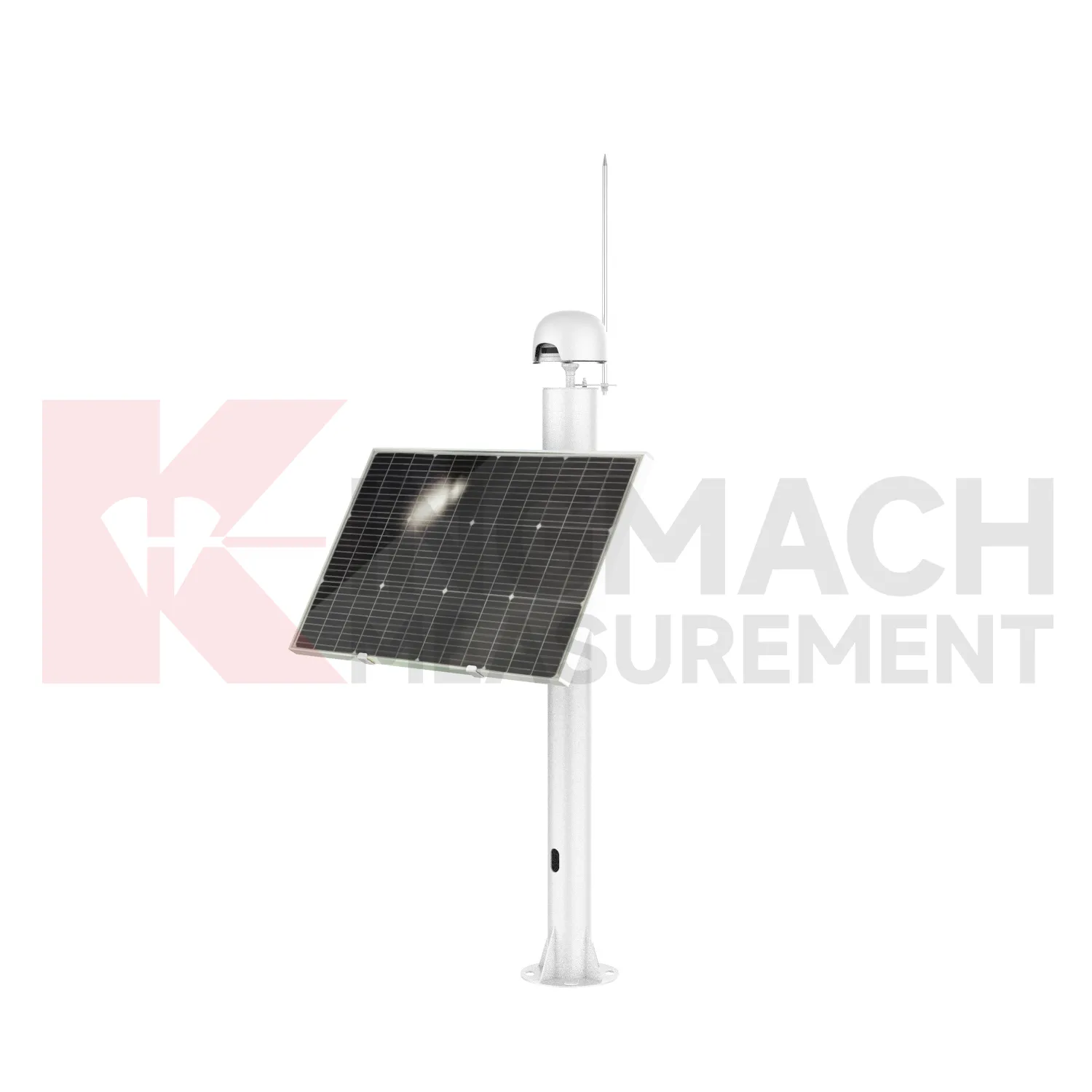
A: Yes. Several Kingmach models support digital transmission, RS485 communication, automatic acquisition, integrated testers, or unattended monitoring systems.
Q: Why is the baseline reading important?
A: All later movement is compared against the starting point. The baseline should be recorded after the sensor, bracket, anchor, cable, and structure are stable.
Reviews
Michael Anderson
The strain gauges and load cells are extremely accurate and stable. They performed very well in our bridge monitoring project. Highly recommended!
David Wilson
We purchased displacement transducers and settlement sensors, and the quality exceeded our expectations. Easy installation and reliable performance.
Latest Inquiries
To protect the privacy of our buyers, only public service email domains like Gmail, Yahoo, and MSN will be displayed. Additionally, only a limited portion of the inquiry content will be shown.
Amelia***@gmail.comSingapore
Hello, I am looking for visualization software for monitoring system data analysis. Please let me kn...
Evelyn***@gmail.comSouth Africa
Hi, we are a contractor working on tunnel construction and need settlement sensors and displacement ...