
 EN
EN
 ar
ar bg
bg hr
hr cs
cs da
da nl
nl fi
fi fr
fr de
de el
el hi
hi it
it ko
ko no
no pl
pl pt
pt ro
ro ru
ru es
es sv
sv tl
tl iw
iw id
id lv
lv lt
lt sr
sr sk
sk sl
sl uk
uk vi
vi et
et hu
hu th
th tr
tr fa
fa ms
ms hy
hy ka
ka ur
ur bn
bn mn
mn ta
ta kk
kk uz
uz ku
ku
magnetostrictive displacement transducer
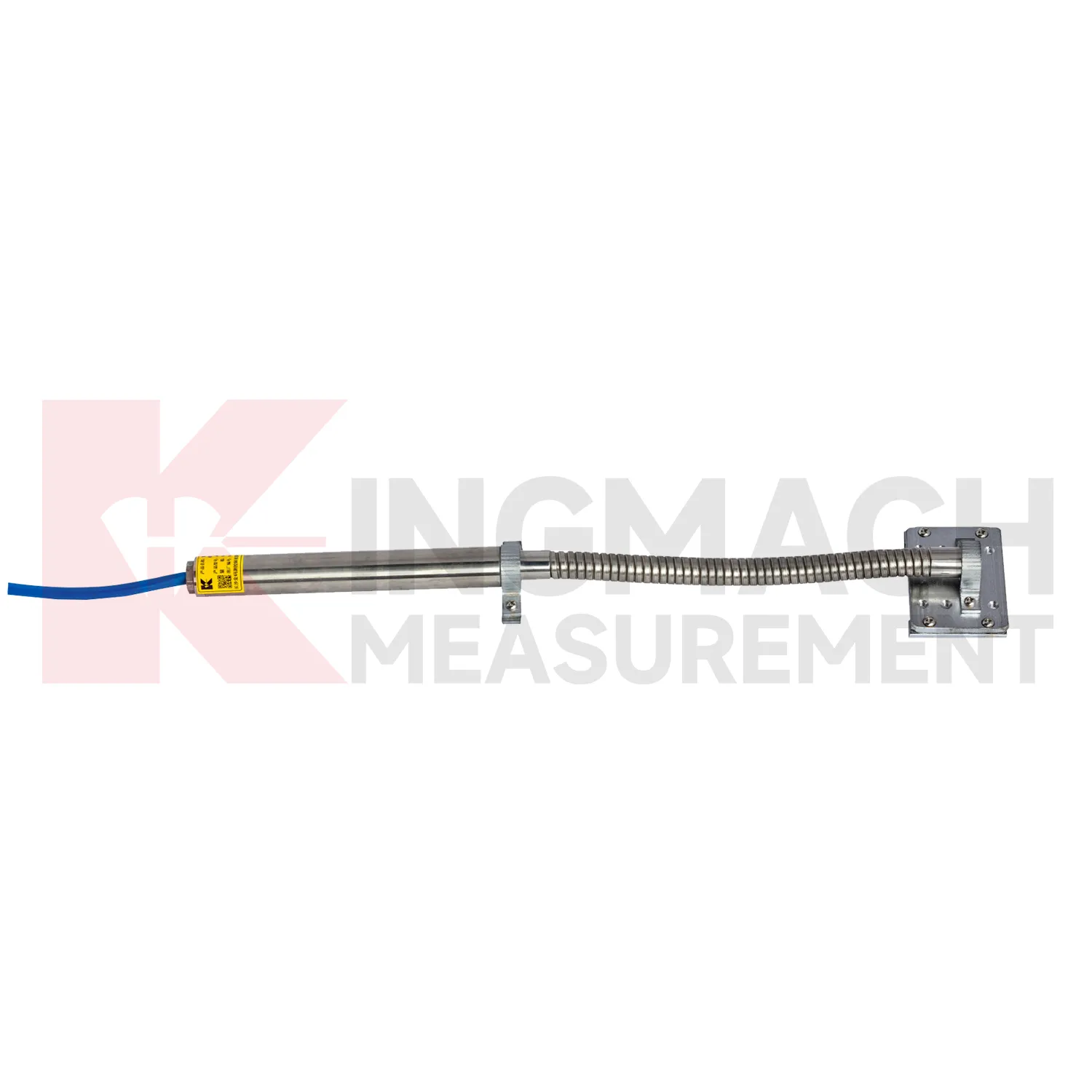
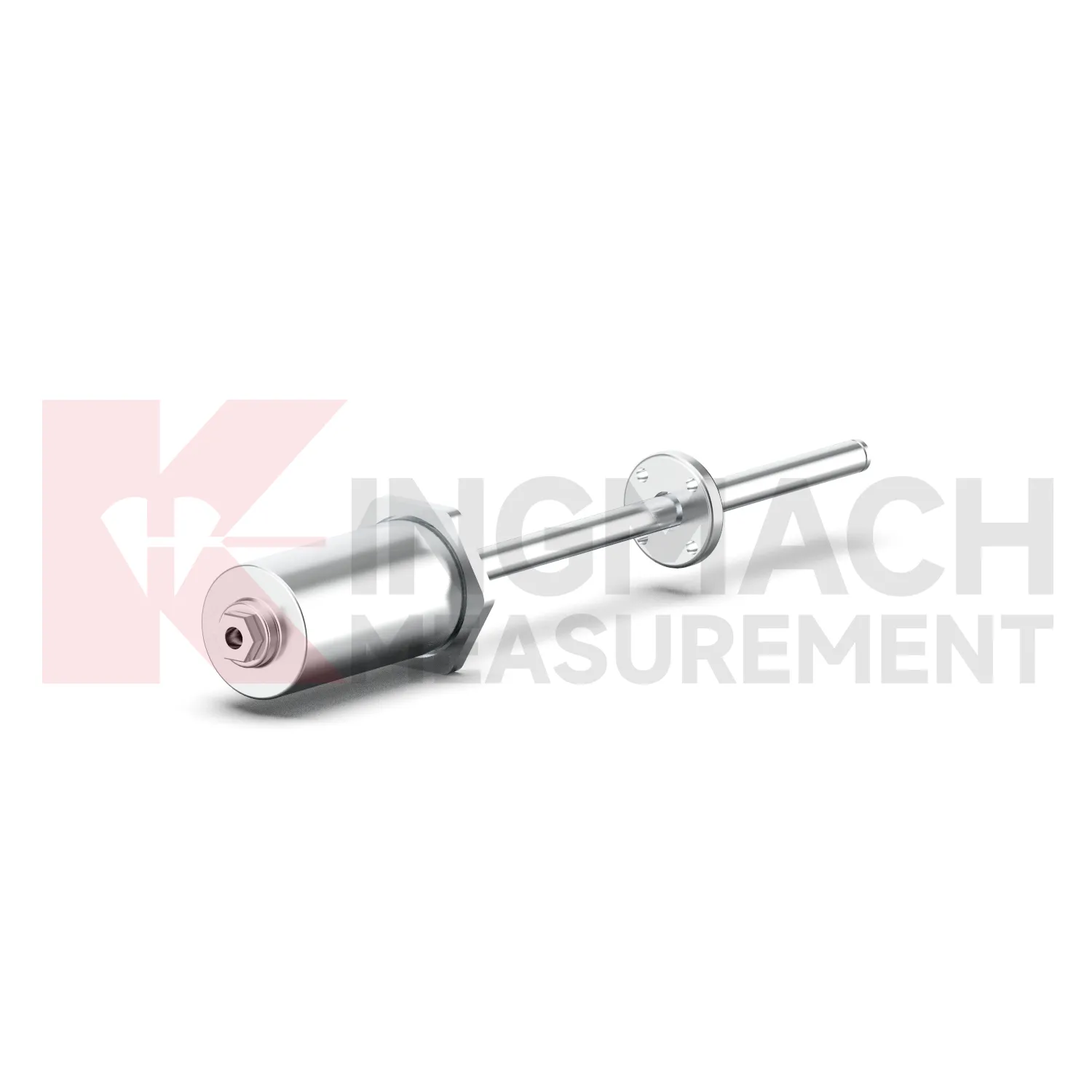
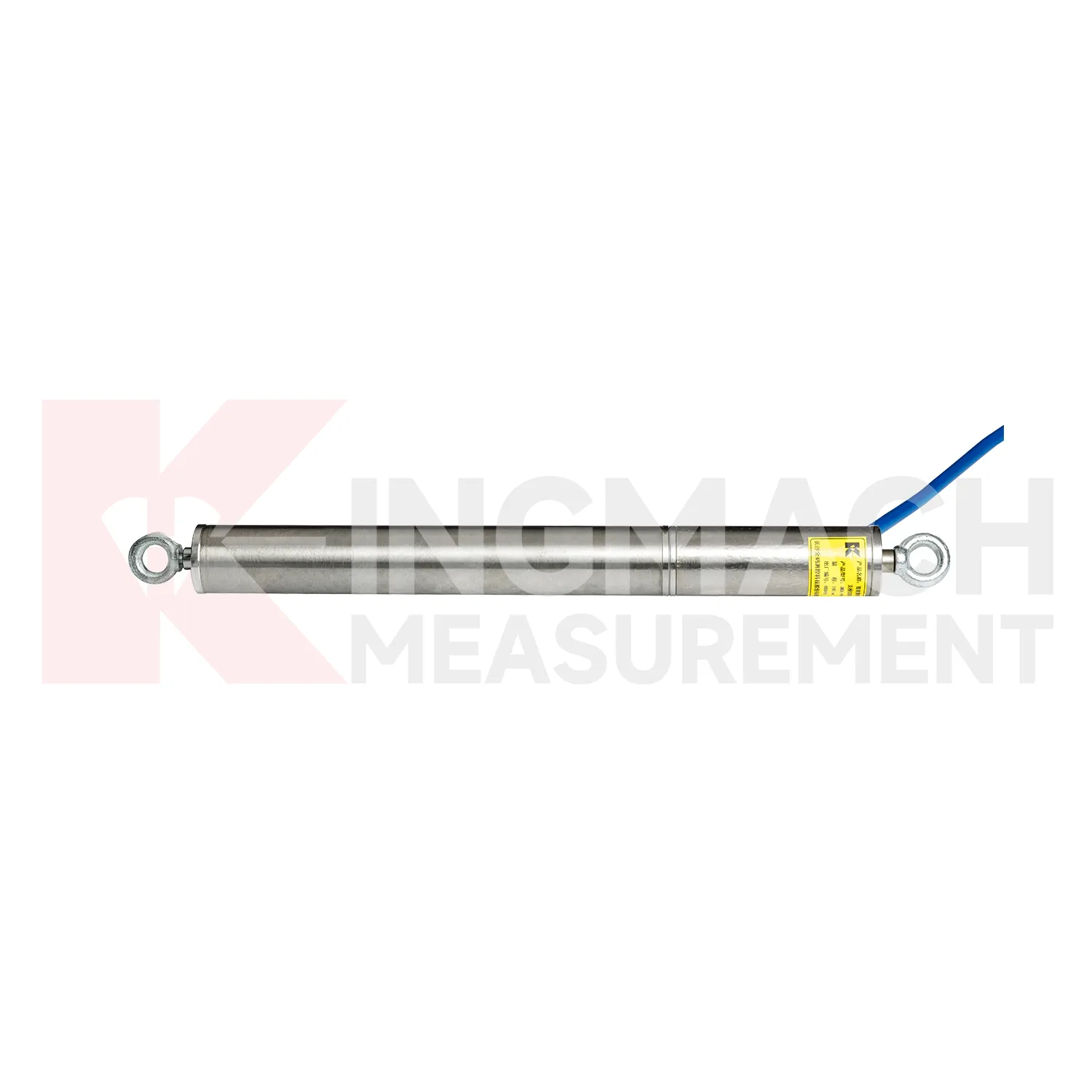
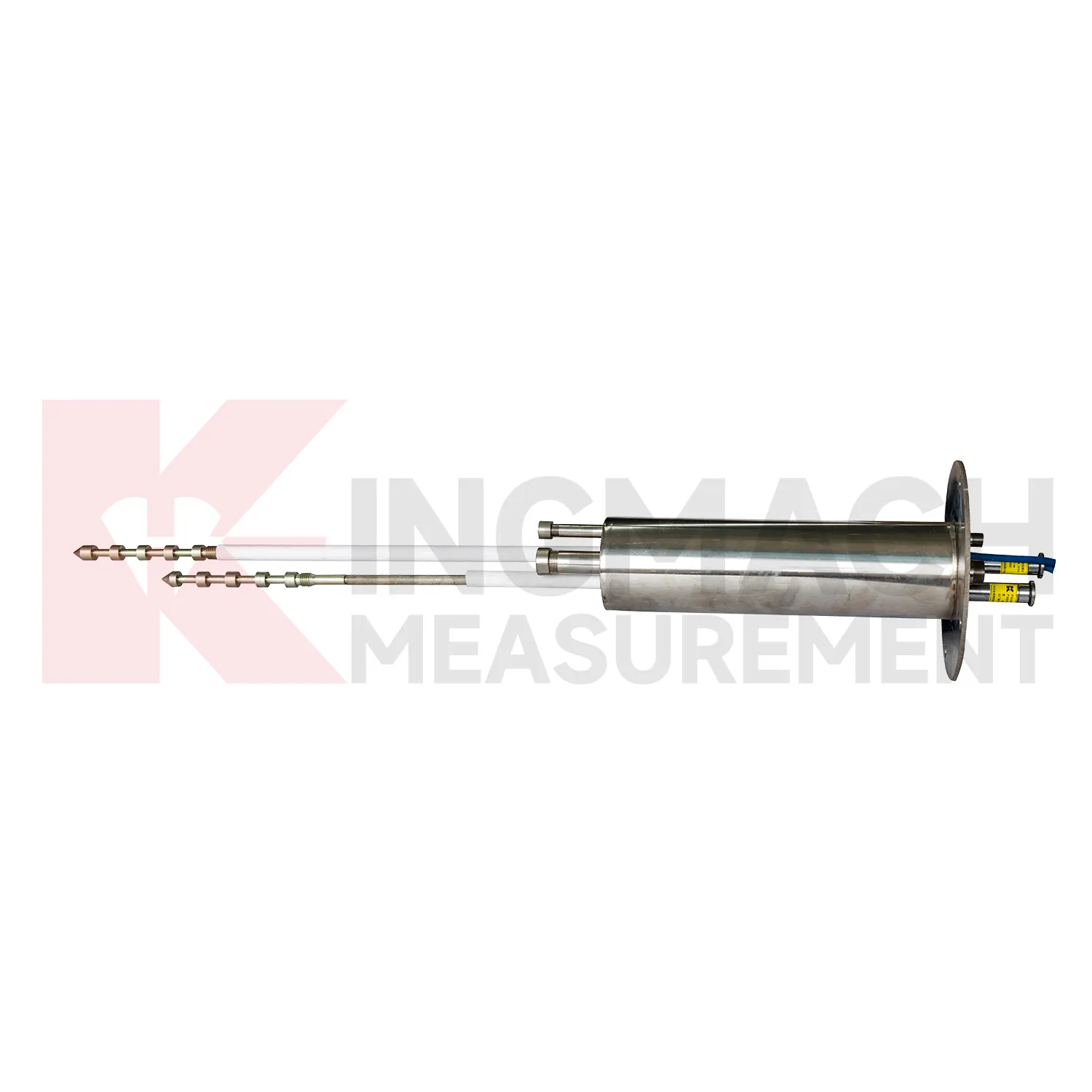
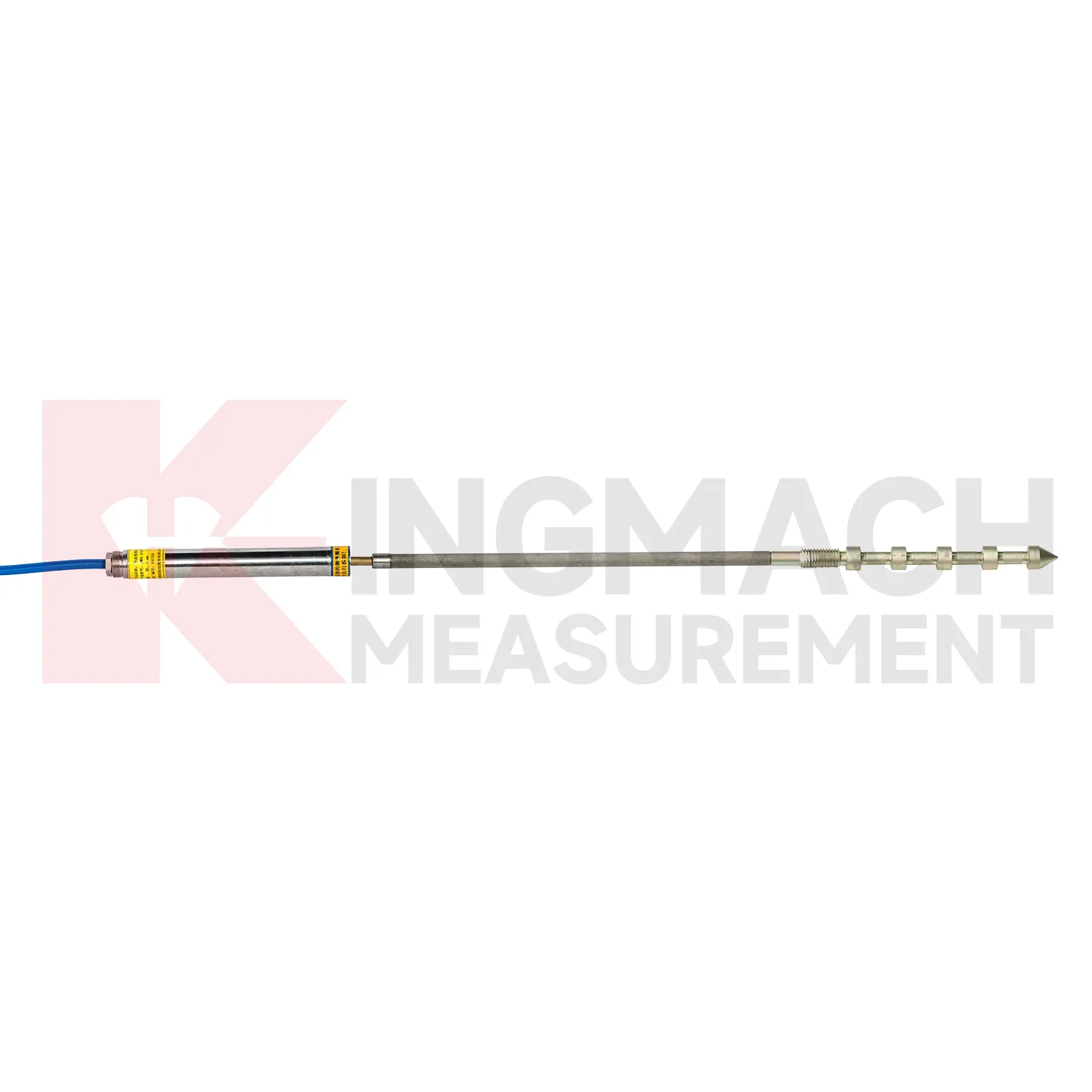
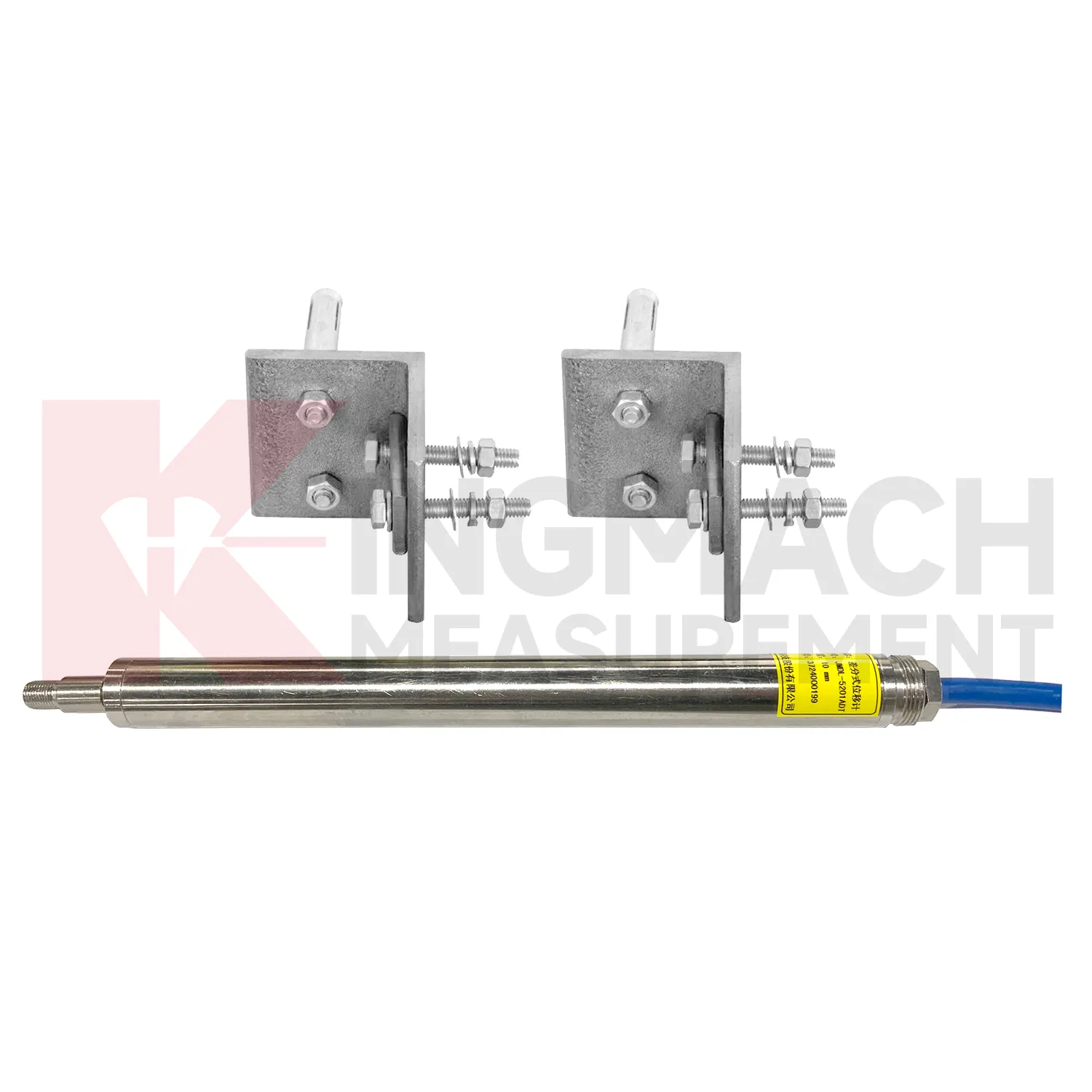
The JMDL-32XXAT Smart Single-Point Bedrock Displacement Meter extends Kingmach magnetostrictive displacement transducer into embedded rock and foundation monitoring. It is designed for tunnel rock mass deformation, dam bedrock deformation, slope sliding, and foundation pit face movement. The assembly includes a flange, electrical displacement sensor, tie rod, anchor head, and PVC pipe, forming a practical embedded instrument for single-depth displacement. Listed models include 50 mm, 100 mm, and 200 mm ranges, each with 0.01 mm resolution. Product information lists displacement accuracy of 0.5%FS, temperature accuracy of plus or minus 0.5 degrees Celsius, and an operating temperature range from -30 degrees Celsius to +80 degrees Celsius. This product is useful where the monitoring point needs to be anchored into a known layer rather than mounted only on a visible surface. In tunnels, dams, slopes, and deep excavations, that embedded layout helps link surface observations with movement inside the rock or foundation body. During project setup, the measuring point should be matched with the expected travel direction, available mounting space, cable route, and required acquisition interval. This prevents a short-range joint instrument from being used on a long-travel point, or an exposed sensor from being placed where an embedded anchor is needed. It also helps the monitoring team set a baseline that can be defended during acceptance and later maintenance review.
Application of magnetostrictive displacement transducer
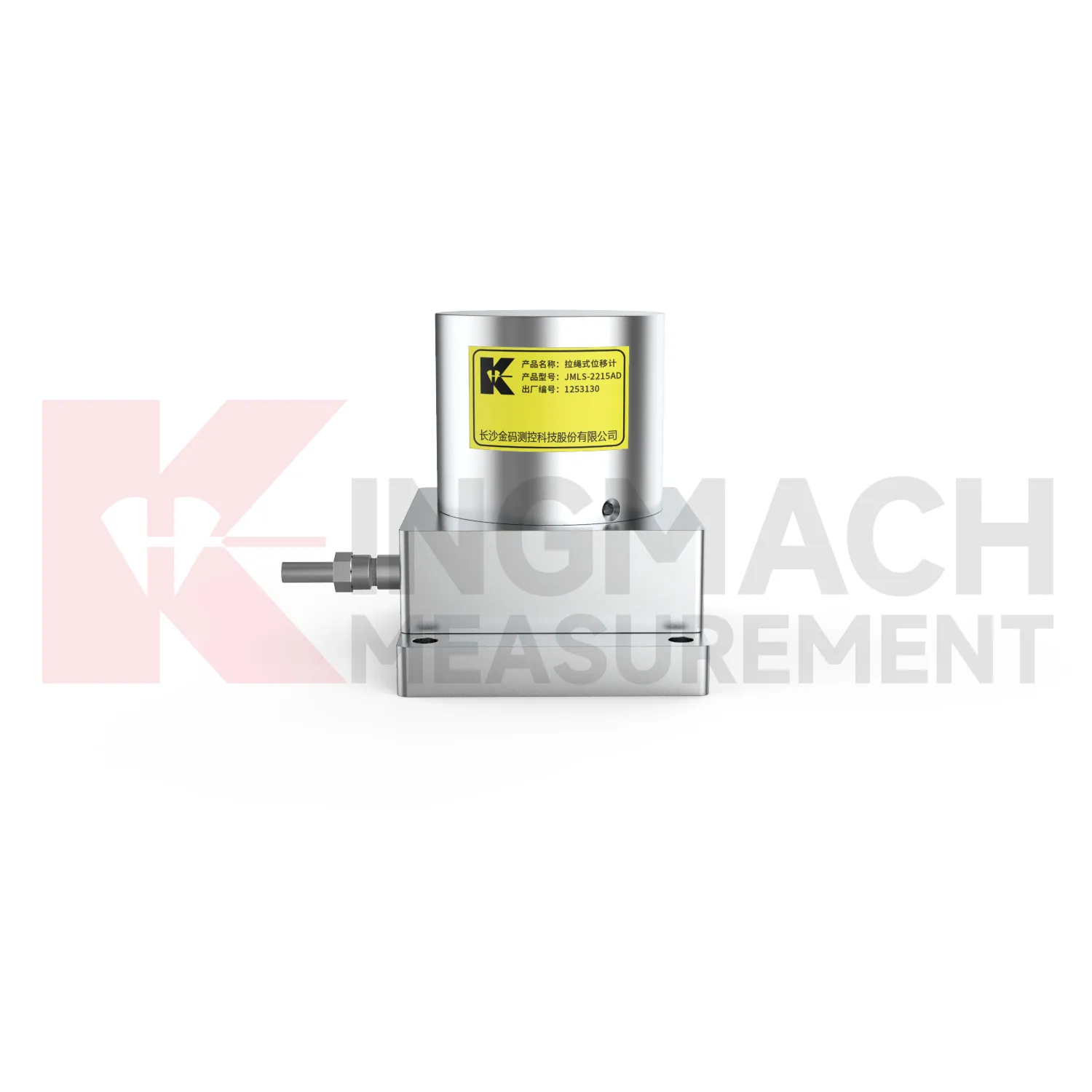
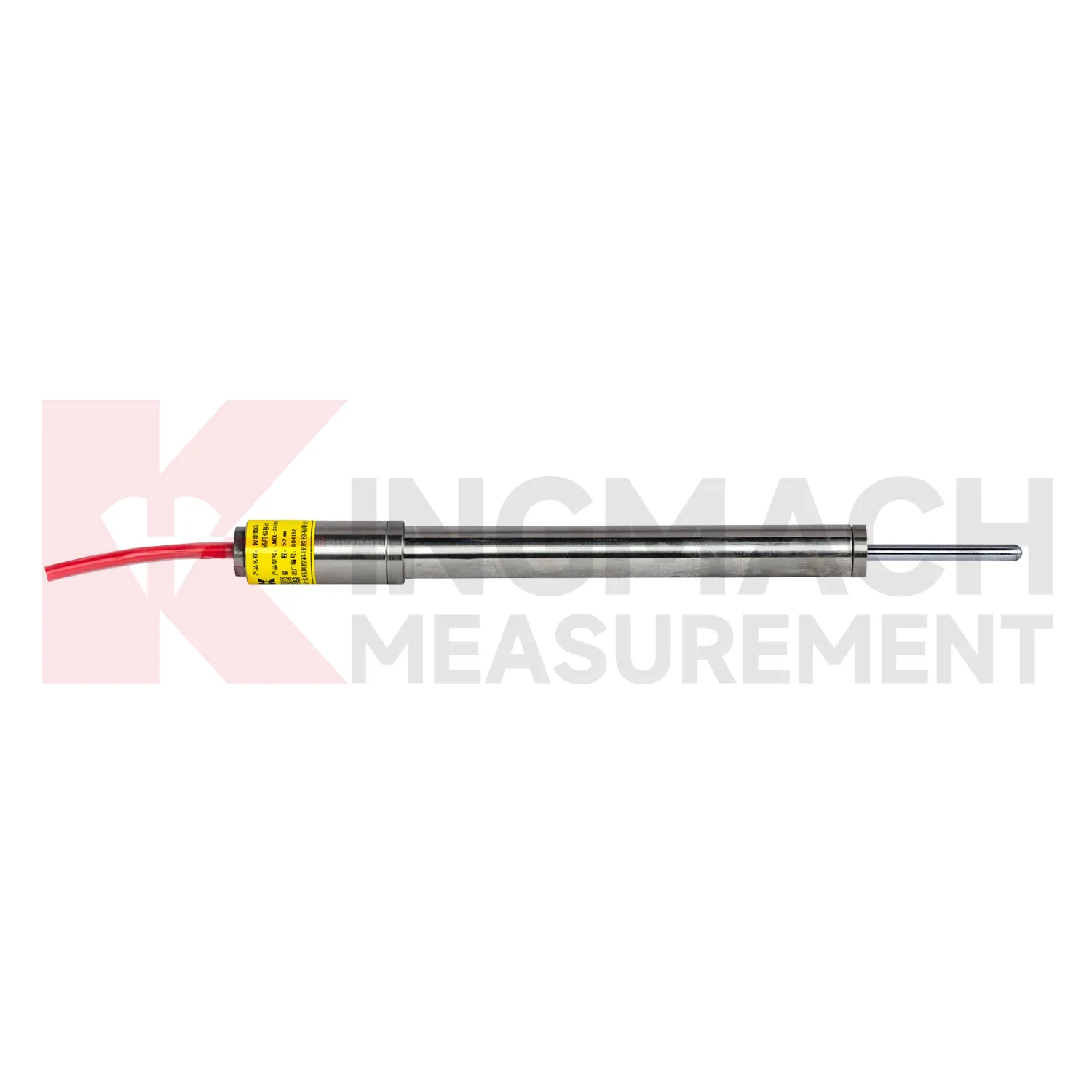
In dam and hydropower projects, magnetostrictive displacement transducer can track joint opening, bedrock deformation, gate position, dam body movement, tunnel portal movement, and displacement between monitoring points. The pain point is long service life under water level fluctuation, seepage, temperature change, and difficult access. Kingmach JMDL-32XXAT single-point bedrock meters are designed for dam bedrock deformation and provide 50 mm, 100 mm, and 200 mm ranges with 0.01 mm resolution. JMDL-52XXADT differential meters can monitor relative movement in concrete joints with RS485 digital output and plus or minus 0.1%FS accuracy. JMCW-21XXADT magnetostrictive meters provide 0 to 1000 mm absolute position measurement for gates, equipment stroke, or structural movement. JMLS-22XXADT wire rope sensors support up to 2000 mm for larger displacement paths. Combined with water level, seepage, strain, and temperature monitoring, displacement data helps dam managers understand deformation behavior across operating cycles. During operation, the monitoring team should keep the baseline, temperature, inspection notes, and nearby sensor behavior in the same review file. This makes it easier to tell whether a movement trend comes from normal service, a repair event, changing load, water influence, or developing structural risk. Clear records also help owners decide when a field inspection is needed instead of waiting for visible damage.
The future of magnetostrictive displacement transducer
Standardized reporting will become more important for future magnetostrictive displacement transducer use. Different stakeholders read movement data in different ways: site managers need fast alerts, designers need deformation patterns, owners need risk status, and maintenance teams need repeatable inspection records. Kingmach smart displacement products already provide details such as absolute displacement, relative displacement, zero-point value, temperature, model number, calibration coefficient, and stored measurements on selected models. Future reports can turn those details into clearer tables and curves: baseline date, latest reading, daily change, cumulative movement, temperature at reading, warning level, sensor status, and recommended inspection action. This will help projects avoid long exports that hide the main risk. A clear displacement report should show not only how far a point moved, but whether that movement is new, accelerating, linked with other sensors, or still within the expected range. Report formats should also keep field photos and maintenance notes close to the curve, so reviewers can understand the physical point behind the data.
Care & Maintenance of magnetostrictive displacement transducer
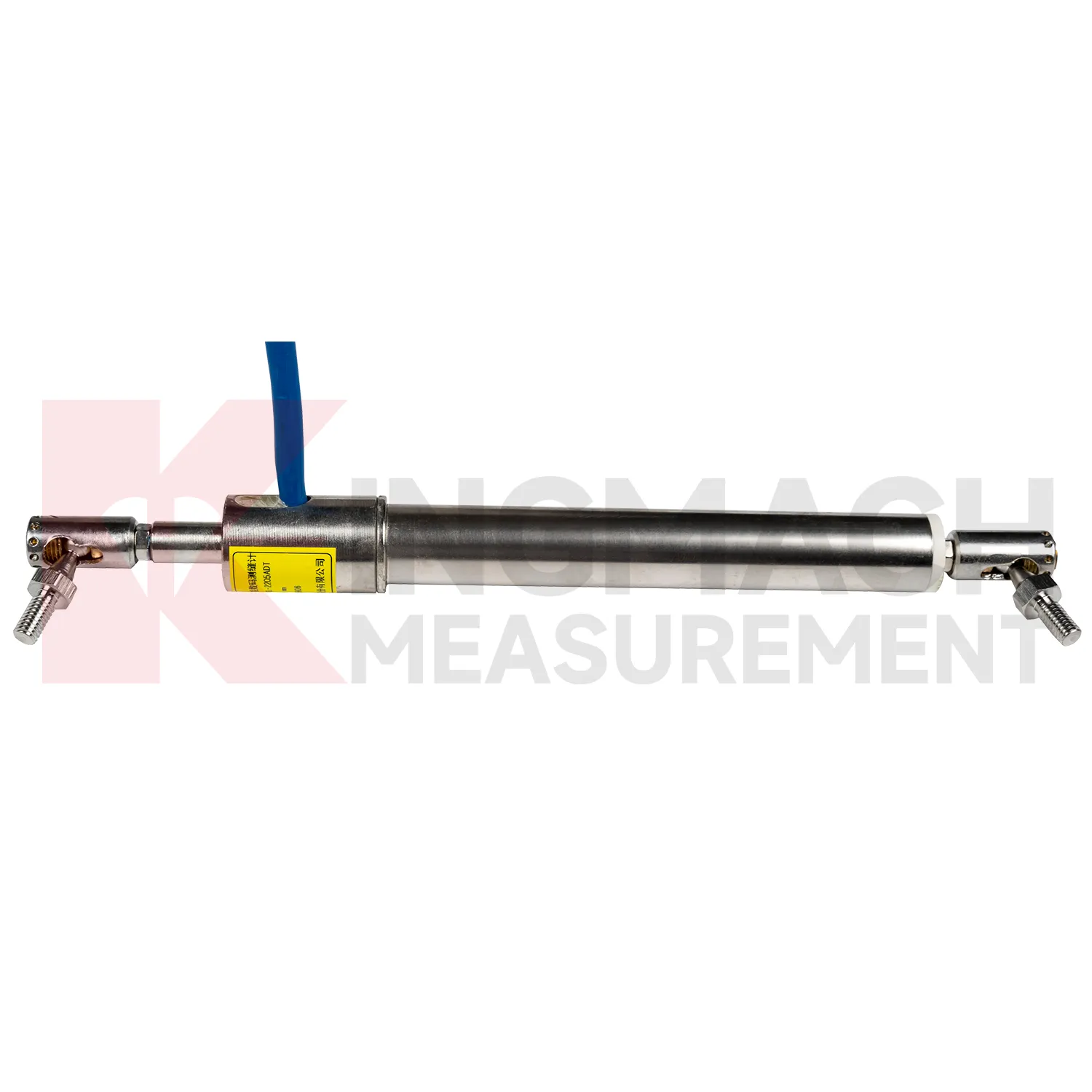
For magnetostrictive magnetostrictive displacement transducer, maintenance should protect the non-contact sensing advantage by keeping wiring, power, and mounting clean. Kingmach JMCW-21XXADT lists DC24V input, RS485 communication, IP67 protection, reverse polarity protection up to -36V, and wiring colors for power and RS485 lines. Confirm red, yellow, blue, and green wires before energizing the device, and check grounding in cabinets where motors, pumps, or hydraulic equipment may create electrical noise. Because the sensor is used for absolute position measurement over 0 to 1000 mm, inspect mechanical alignment and travel stops so the moving part remains within range. Do not clamp the sensing body in a way that transfers bending force from the machine frame. During service, compare repeatability at known positions and review whether position drift appears after temperature swings, maintenance work, or hydraulic cylinder repair. Keep the installation photo, point number, zero value, and expected movement direction with the commissioning record for later review. If a reading changes after maintenance work, inspect the base, anchor, cable, and cabinet before assuming the structure itself has moved.
Kingmach magnetostrictive displacement transducer
magnetostrictive displacement transducer support safer engineering decisions when the reading is tied to a clear location, a known baseline, and a repeatable acquisition method. Kingmach products list practical field details such as 0.01 mm resolution on several JMDL models, 0.5%FS accuracy on general-purpose, crack, flexible, and formwork models, plus 0.1%FS accuracy on the differential JMDL-52XXADT series. Protection ratings such as IP67 and IP68 help when instruments are exposed to dust, water, concrete work, or outdoor cabinets. RS485 output on digital models allows remote data transfer, while memory functions keep calibration and measurement data close to the sensor. In bridges, buildings, hydropower works, tunnels, railways, slopes, and foundation pits, those details reduce the gap between a specification sheet and actual monitoring work. The better the field record, the faster abnormal movement can be checked. The point should be named on the drawing, linked with its cable route, and checked against the expected movement direction before the first automatic reading is accepted. For daily review, the reading should be compared with nearby points, recent weather, site operations, and any loading event that could explain the movement.
FAQ
Q: Which magnetostrictive displacement transducer are used for rock layers or bedrock?
A: JMDL-31XXAT multipoint meters are used for different surrounding rock layers, while JMDL-32XXAT single-point bedrock meters are used for tunnel rock mass, dam bedrock, slope, or foundation pit movement.
Q: How many points can the multipoint meter support?
A: The multipoint installation kit supports three to five monitoring points, with anchor heads fixed at different depths by drilling and grouting.
Q: What ranges are listed for these models?
A: Both JMDL-31XXAT and JMDL-32XXAT list 50 mm, 100 mm, and 200 mm models with 0.01 mm resolution.
Q: Why monitor several depths?
A: Different layers may move differently. Separating shallow and deep movement helps engineers judge whether the problem is surface creep, deeper rock slip, or overall mass movement.
Q: What records should be kept?
A: Keep drilling depth, anchor location, grouting date, channel name, zero value, cable route, and first stable reading.
Reviews
Christopher Martinez
Very satisfied with the readouts & data loggers. User-friendly interface and supports multiple sensor inputs.
Matthew Garcia
Instrumentation cables are durable and perform well even in harsh environments. Will definitely order again.
Latest Inquiries
To protect the privacy of our buyers, only public service email domains like Gmail, Yahoo, and MSN will be displayed. Additionally, only a limited portion of the inquiry content will be shown.
Isabella***@gmail.comGermany
Hello, we are evaluating weir flow meters for a water management project. Please share accuracy deta...
Sophia***@gmail.comUnited Kingdom
Good day, we need environmental monitoring sensors including temperature, humidity, and wind sensors...