
 EN
EN
 ar
ar bg
bg hr
hr cs
cs da
da nl
nl fi
fi fr
fr de
de el
el hi
hi it
it ko
ko no
no pl
pl pt
pt ro
ro ru
ru es
es sv
sv tl
tl iw
iw id
id lv
lv lt
lt sr
sr sk
sk sl
sl uk
uk vi
vi et
et hu
hu th
th tr
tr fa
fa ms
ms hy
hy ka
ka ur
ur bn
bn mn
mn ta
ta kk
kk uz
uz ku
ku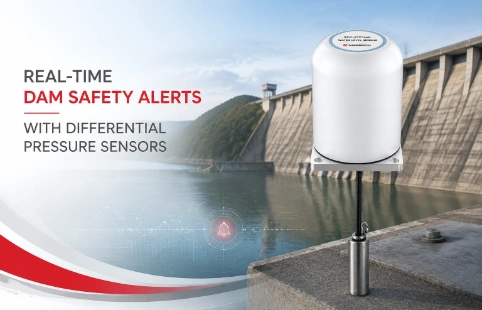
Real-Time Dam Safety Alerts with Differential Pressure Water Level Sensors
Key Takeaways An alert chain needs more than a sensor: define field in...

Inclinometer Systems for Reliable Subsurface Monitoring
When a retaining wall starts to tilt or a landslide accelerates after heavy rain, the data that guides decisions often comes from an inclinometer. Kingmach has been supplying these instruments to geotechnical engineers and monitoring contractors who need to track subsurface movement with confidence. We focus on making devices that hold up in wet boreholes, resist drift over long monitoring periods, and connect to both manual readouts and automated data loggers. With options ranging from vertical to horizontal installations and support for multiple casing types, our inclinometers fit into standard site setups without added complexity. This page explains what we offer, how the systems work, and why engineers in dam safety, deep excavation, and slope stability keep coming back to Kingmach for their monitoring projects.
Technical Detail
Kingmach inclinometers are designed for practical field performance. The probe uses a MEMS accelerometer, which many survey teams prefer for its fast warm-up time and stable output compared to older servo-accelerometer designs. This matters when taking readings in a long casing where consistent results are needed from top to bottom. The system operates with standard grooved casing—typically 70 mm or 85 mm—and the probe fits these without special adapters. Readings are taken at fixed depth intervals, usually 0.5 m, and logged manually with a readout unit or automatically with a datalogger for long-term monitoring. For projects requiring regular observations over months or years, the automatic setup saves field crew time and reduces recording errors. Kingmach supplies both portable readout kits and fixed datalogger systems, so you can start with a manual survey and later upgrade to continuous monitoring without replacing the casing or probe. Data from our inclinometers is compatible with common analysis software to generate displacement profiles and time-history plots. Our technical team can assist with initial setup, including casing installation, probe zeroing, and interpreting A- and B-axis readings. We also offer custom cable lengths and probe diameters for non-standard boreholes or specialized applications like monitoring behind secant pile walls. Since data quality relies heavily on casing installation, we share practical tips based on feedback from field technicians worldwide. From dam abutments to open-pit mines, Kingmach inclinometers have seen use in a wide range of ground conditions, including soft clay, fractured rock, and permafrost. The devices are sealed against water ingress and tested to handle typical hydrostatic pressures encountered in deep boreholes. For remote sites requiring frequent measurements, low-power datalogger options can operate on battery and solar, transmitting data via cellular or satellite modem. Recognizing that monitoring budgets vary, we offer both entry-level and more automated configurations. The goal is to provide reliable displacement data without overcomplicating the field workflow.
News
Key Takeaways An alert chain needs more than a sensor: define field in...
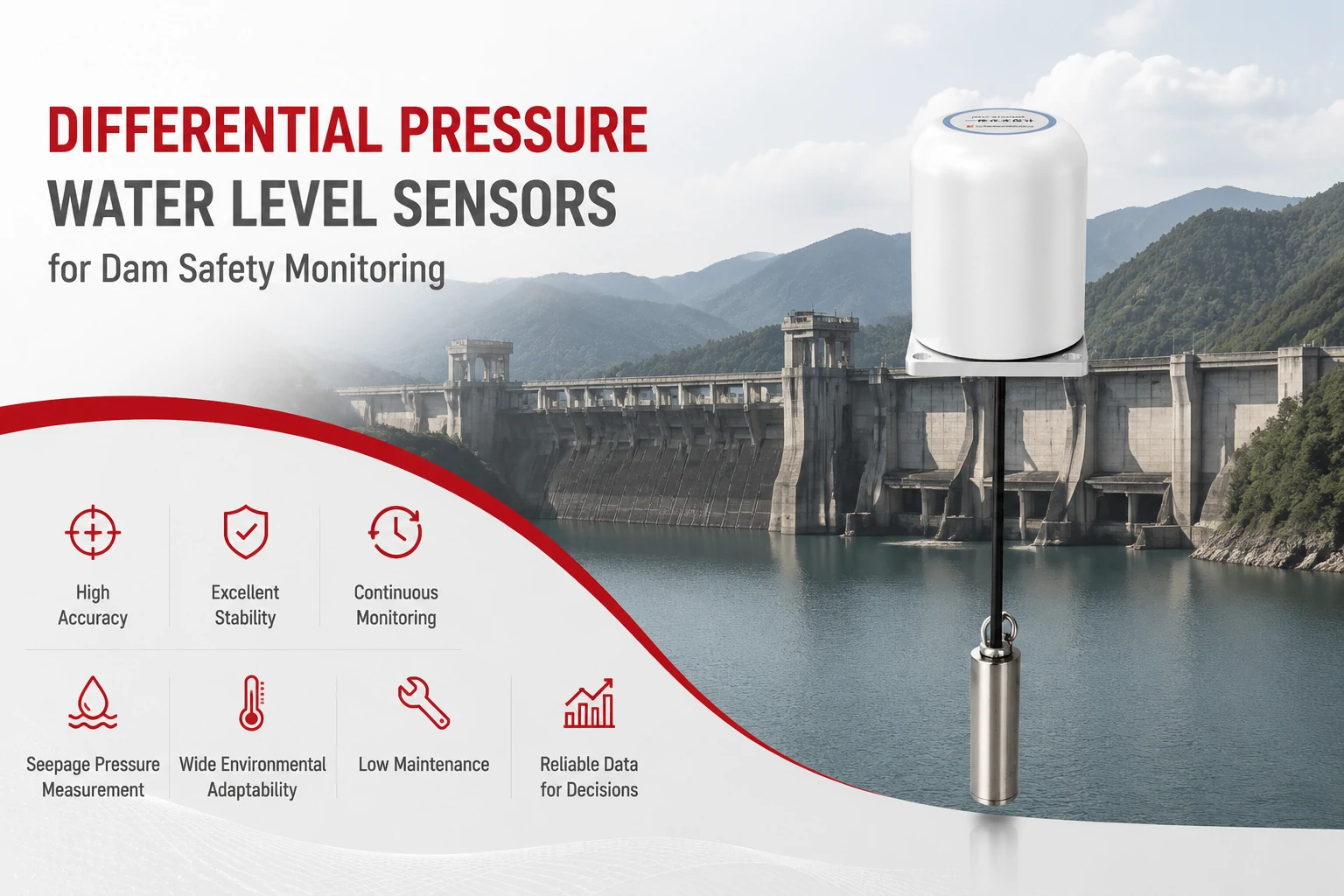
Key Takeaways The strongest fit is usually a confined, submerged, or s...
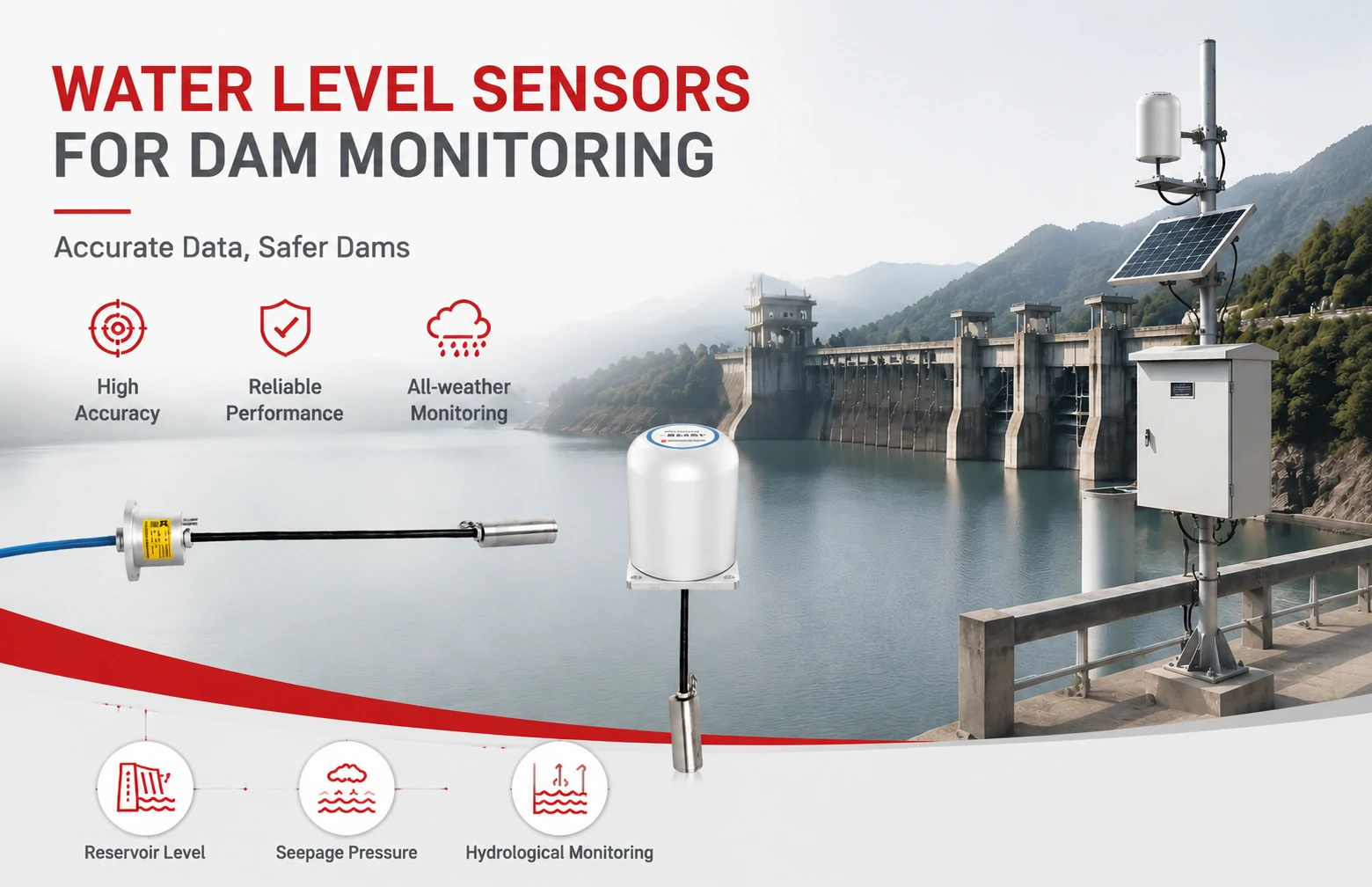
Kingmach Water Level Sensors for Dam Monitoring: A Buyer's Guide to Differential Pre...
Products
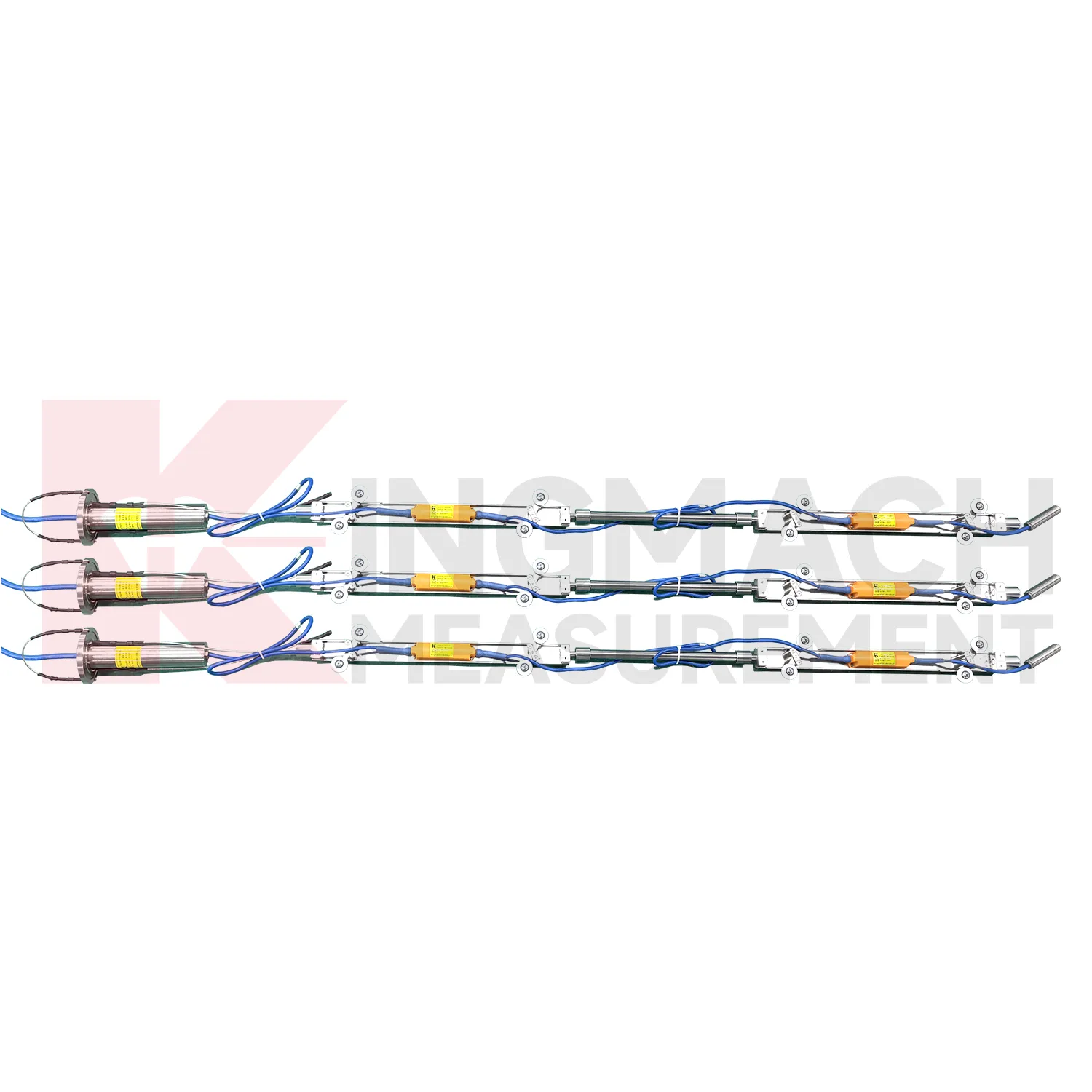
Vertical In-Place Inclinometer System JMQJ-7915ATS
View Details
I²C 4-Channel Inclination Acquisition Module JMZX-4QH
View Details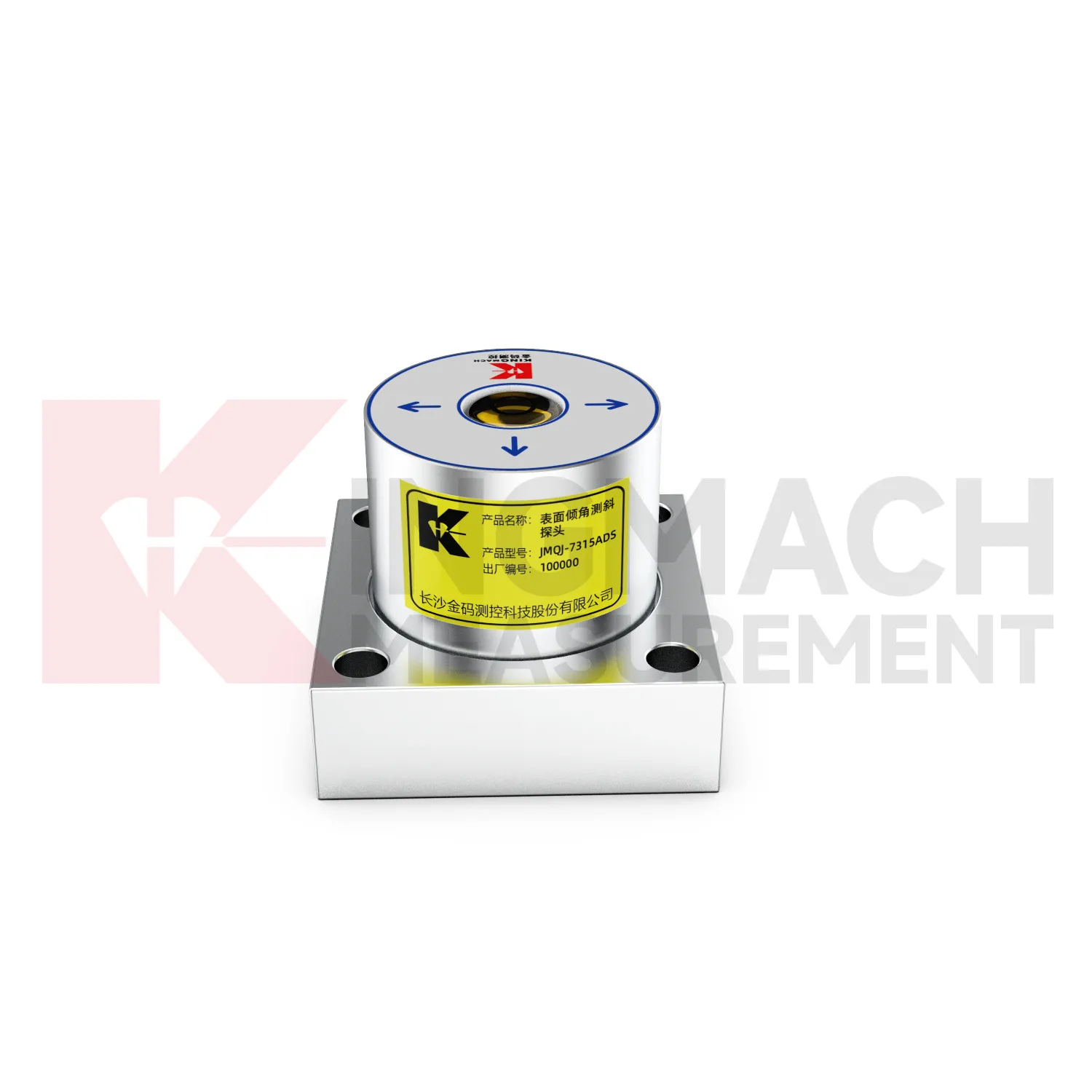
FAQ
Measurement depth is generally limited by the installed casing length. In practice, our probes are used down to about 100 meters, but for deeper installations, water sealing and cable weight become the main considerations. We can advise on suitable casing and probe configurations for deeper boreholes.
Yes, as long as the internal groove dimensions match the standard sizes (typically 70 mm or 85 mm OD). Most commercial casings follow the same groove specifications, but if you are using an unfamiliar brand, we can send a test probe section to confirm compatibility before purchase.
The system accuracy is not just from the probe; it depends on the probe's sensitivity, the readout unit, and most importantly, the casing installation quality. Our MEMS-based probes have a typical repeatability around ±0.02 degrees, but the overall displacement accuracy in a field installation should be validated for each project. We can share typical error ranges from similar projects upon request.
Yes. We offer both remote support and on-site commissioning. Our technical staff can guide your team through casing installation best practices, probe operations, and how to use analysis software to generate displacement profiles. We also have reference materials for ongoing use.
Yes. Our automatic dataloggers can be equipped with cellular or satellite modems for real-time data transmission. We also provide stand-alone dataloggers that store readings locally and can be polled manually via a field laptop when a wireless link is not feasible. We will recommend the best setup for your site's connectivity and power constraints.
Share your product type, target capacity, and application requirements. Our team can review the details and recommend a practical next step.
If you are interested in our products or want to become our partner.
Please leave your contact information, our team will contact you as soon as possible.
Mail: [email protected]
Contact Us: +8613808434127
Address: No. 188 Tongzipo West Rd, Changsha, Hunan, China