
 EN
EN
 ar
ar bg
bg hr
hr cs
cs da
da nl
nl fi
fi fr
fr de
de el
el hi
hi it
it ko
ko no
no pl
pl pt
pt ro
ro ru
ru es
es sv
sv tl
tl iw
iw id
id lv
lv lt
lt sr
sr sk
sk sl
sl uk
uk vi
vi et
et hu
hu th
th tr
tr fa
fa ms
ms hy
hy ka
ka ur
ur bn
bn mn
mn ta
ta kk
kk uz
uz ku
ku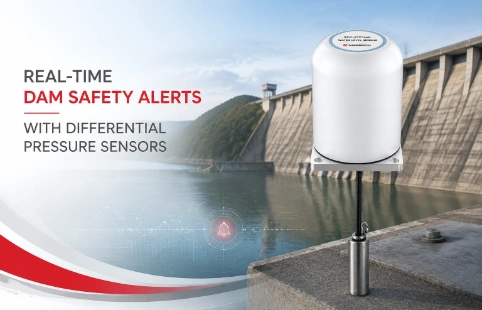
Real-Time Dam Safety Alerts with Differential Pressure Water Level Sensors
Key Takeaways An alert chain needs more than a sensor: define field in...

Integrated Inclinometer: A Simpler Take on Subsurface Movement Tracking
Digging a deep foundation or watching a slow-moving slope, you know that traditional inclinometer setups mean juggling separate probes, cables, and readout units. An integrated inclinometer tightens that up—putting the sensing element and logger in a single housing. Kingmach builds these for geotechnical teams who want less wiring in the trench and fewer field components to babysit. Their range covers base models that stream data via cable, and custom variants that can tie into existing wireless networks. Customization shows up again when the borehole is unusually deep or the casing is under size constraints; they’ll adjust the gauge length and communication protocols. Field crews often ask about temperature drift and long-term stability—that’s where factory calibration data and local support centers help keep projects on schedule. You won’t find exaggerated specs here, just instruments backed by a manufacturer that’s been around long enough to know what breaks first in saturated soils.
Technical Detail
Kingmach’s integrated inclinometers combine the sensor and data acquisition in one sealed housing, cutting out the separate logger that usually sits at the wellhead. The result is a slimmer borehole footprint and fewer connection points that can leak or corrode. Most units output angle and direction directly, so you skip manual conversions from analog readings. Sensor chains can be built to project specs—single-axis or dual-axis, with gauge lengths from 0.5 m to 3.0 m. Common use cases include monitoring landslide movement above highways, tracking deflection in diaphragm walls during excavation, and measuring convergence in tunnels under construction. Because Kingmach also manufactures displacement transducers and piezometers, the inclinometer data can feed into a wider monitoring network without protocol wrangling. Their distribution footprint reaches Southeast Asia, the Middle East, and South America, and after-sales teams draw from field experience with sensor drift in saline groundwater to guide installation. If standard IP67 ratings don’t match a job that runs in wet chalk, they’ll modify gland seals and cable entry points. That’s the kind of applied feedback that makes these instruments show up repeatedly on contractor bid lists—they hold up where generic logging setups tend to clog with silt.
News
Key Takeaways An alert chain needs more than a sensor: define field in...
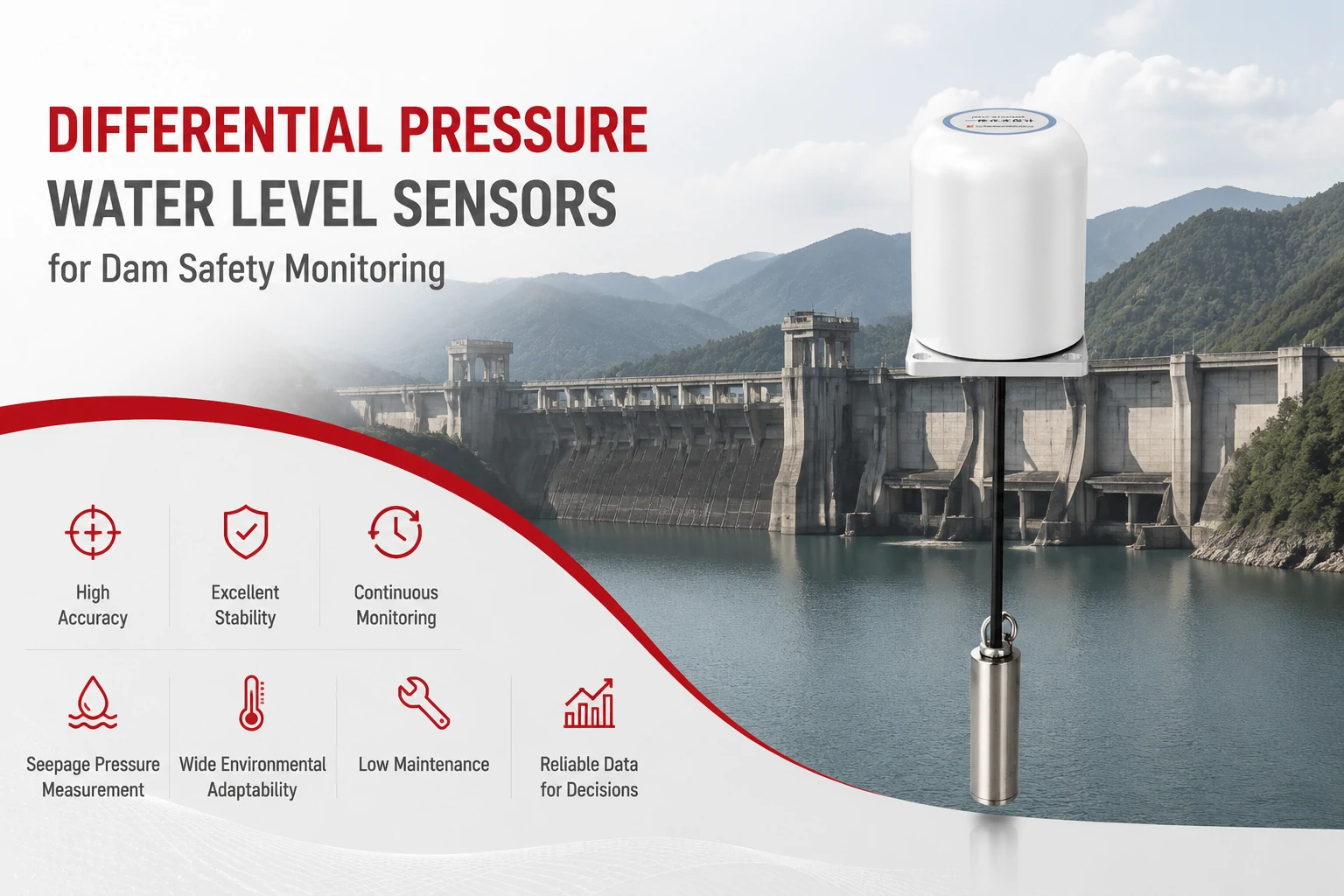
Key Takeaways The strongest fit is usually a confined, submerged, or s...
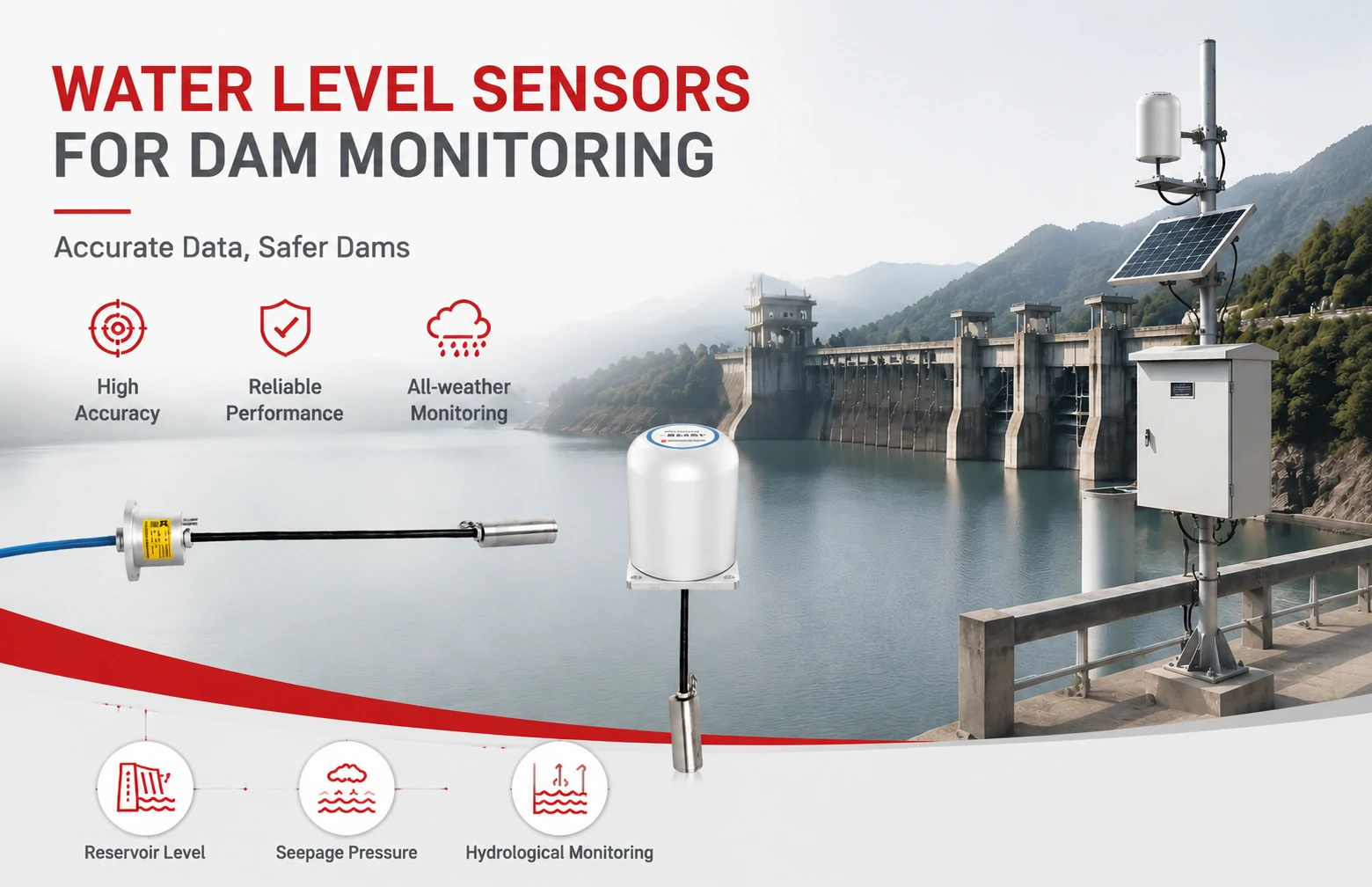
Kingmach Water Level Sensors for Dam Monitoring: A Buyer's Guide to Differential Pre...
Products
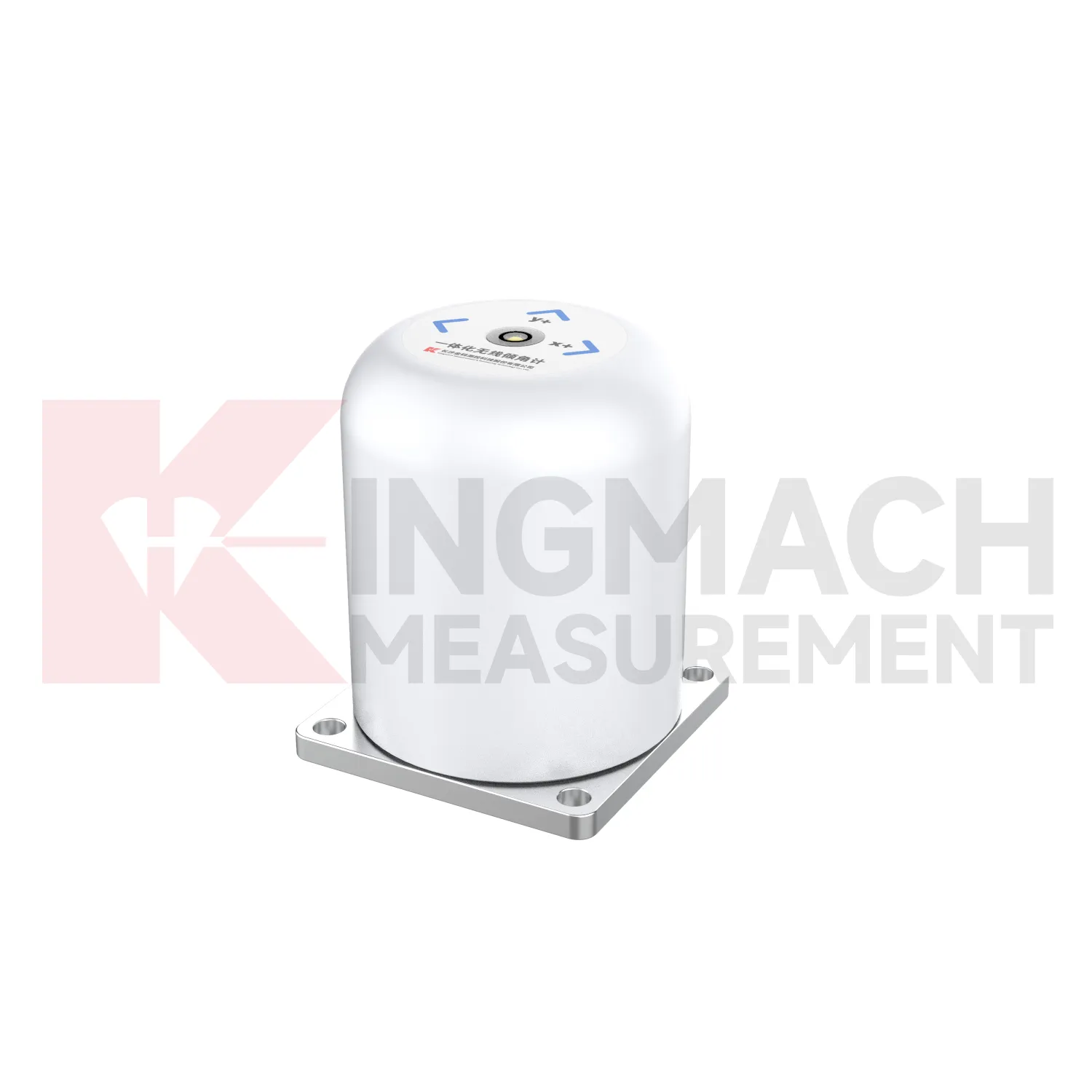
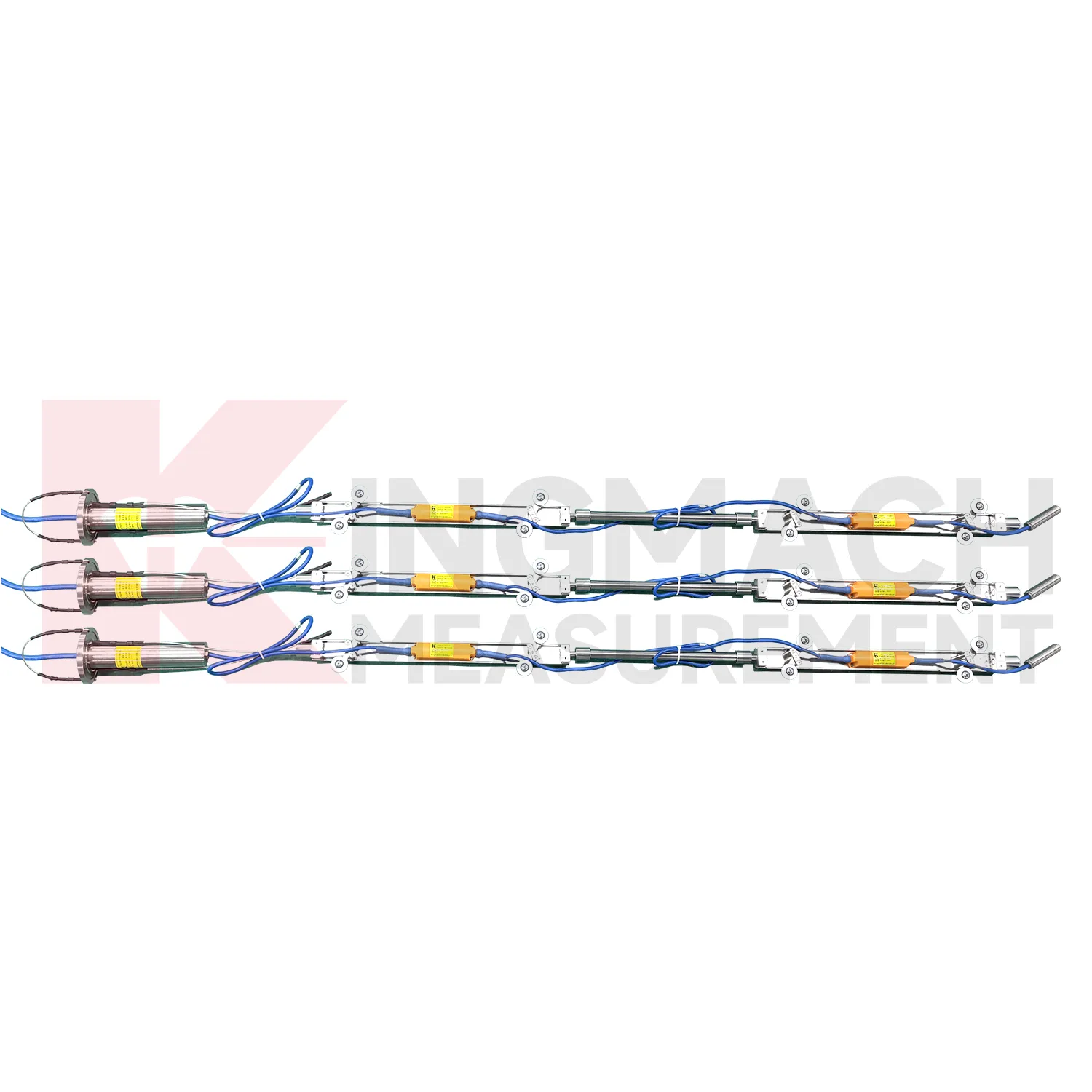
Vertical In-Place Inclinometer System JMQJ-7915ATS
View Details
I²C 4-Channel Inclination Acquisition Module JMZX-4QH
View DetailsFAQ
A traversing probe gives you a continuous profile from the bottom up, which is great for detecting localized shear zones, but it requires manual site visits and a specialty readout. An integrated inclinometer occupies the borehole full-time, recording data on a schedule you set—ideal for real-time alerts on active slides or deep cuts where travel costs add up quickly. It doesn’t profile as finely, but you gain unattended coverage.
Many standard chains fit 70 mm casing, but it depends on the sensor diameter and how much annular space you need for grout. Kingmach’s customization experience covers these constraints: they’ll often tweak housing dimensions or recommend a flat cable design to reduce the effective cross-section.
Kingmach typically supplies the base inclinometer with a Modbus RTU interface; they’ll add a wireless transceiver per your network choice. That pairing is done in-house so the address mapping and power budget are sorted out, rather than leaving it to you to match a third-party logger.
No manufacturer will pin a single number here because soil chemistry and temperature cycles vary too much. What Kingmach does is calibrate against known tilt in the lab and include reference checks in the maintenance plan. Their support team can often spot drift early if you share your baseline readings periodically.
For most models, you’ll want to return the sensor to the factory for recalibration, as it requires a high-precision tilt table. Kingmach’s service centers can often expedite regional customers through partner labs in the Middle East or Southeast Asia to cut downtime.
Share your product type, target capacity, and application requirements. Our team can review the details and recommend a practical next step.
If you are interested in our products or want to become our partner.
Please leave your contact information, our team will contact you as soon as possible.
Mail: [email protected]
Contact Us: +8613808434127
Address: No. 188 Tongzipo West Rd, Changsha, Hunan, China