
 EN
EN
 ar
ar bg
bg hr
hr cs
cs da
da nl
nl fi
fi fr
fr de
de el
el hi
hi it
it ko
ko no
no pl
pl pt
pt ro
ro ru
ru es
es sv
sv tl
tl iw
iw id
id lv
lv lt
lt sr
sr sk
sk sl
sl uk
uk vi
vi et
et hu
hu th
th tr
tr fa
fa ms
ms hy
hy ka
ka ur
ur bn
bn mn
mn ta
ta kk
kk uz
uz ku
ku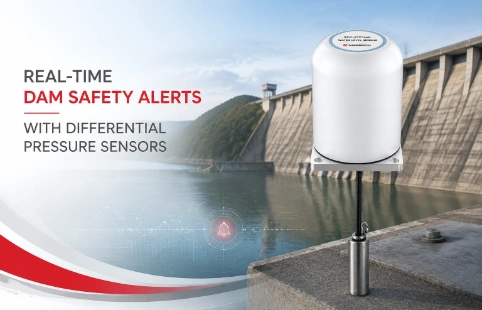
Real-Time Dam Safety Alerts with Differential Pressure Water Level Sensors
Key Takeaways An alert chain needs more than a sensor: define field in...

Optical Deflection Monitor: Real-Time Displacement Tracking
A bridge span shifts by just a few millimeters under load—hardly noticeable, but over time, those tiny movements can signal structural stress. Without accurate deflection data, maintenance teams are left guessing. That’s where optical deflection monitors come in. Kingmach’s solutions track these subtle displacements continuously, using non-contact optical methods that avoid the drift and wear common in contact sensors. Rather than relying on periodic manual readings, engineers get a live feed of how structures actually behave under real-world conditions. This isn’t just about collecting numbers—it’s about catching problems before they turn into failures. For tunnels crossing soft ground or long-span roofs flexing with wind, the ability to measure deflection in real time changes how inspections are done. Kingmach focuses on making these instruments practical: easy to install, robust enough for outdoor environments, and compatible with standard data loggers. Whether you’re monitoring a heritage bridge or a new high-speed rail viaduct, the goal stays the same: clear, actionable displacement data without the headache of constant recalibration.
Technical Detail
Kingmach’s optical deflection monitors are built around a straightforward principle: detect movement by tracking a reference target with a camera-based system. This approach eliminates mechanical linkages, so there’s no friction-induced error or parts that seize up in wet weather. A typical setup places the monitor on a stable pier and a target on the point of interest. When the structure displaces, the system measures the shift in the target’s position relative to the optical axis. Resolution often reaches sub-millimeter levels—fine enough to catch slow settlement or rapid dynamic responses. Because the sensor doesn’t touch the moving part, it’s immune to thermal expansion effects that plague contact-based extensometers. This makes it suitable for long-term bridge monitoring, where steel structures can expand and contract significantly with temperature. Kingmach offers these monitors with flexible communication options: RS485, 4-20 mA, and wireless modules, so they integrate easily into existing SCADA networks. The housing is IP65-rated (commonly), keeping dust and rain out without needing protective enclosures. For projects with unique requirements, the company can adjust measurement range, target size, or data output rates. Field service is straightforward: once the target is installed, initial alignment takes only a few minutes using visible laser guides. After that, periodic checks are rarely needed. This reliability comes from a design that prioritizes stable optics over complex electronics. For instance, by using industrial-grade CMOS sensors and temperature-compensated algorithms, drift is kept to a minimum over years of continuous operation. In practice, that means fewer site visits and more confidence in the data. From mining convergence measurement to arch bridge rise monitoring, Kingmach’s optical deflection monitors provide a durable alternative to traditional contact sensors, helping engineers make informed decisions based on actual structural behavior.
News
Key Takeaways An alert chain needs more than a sensor: define field in...
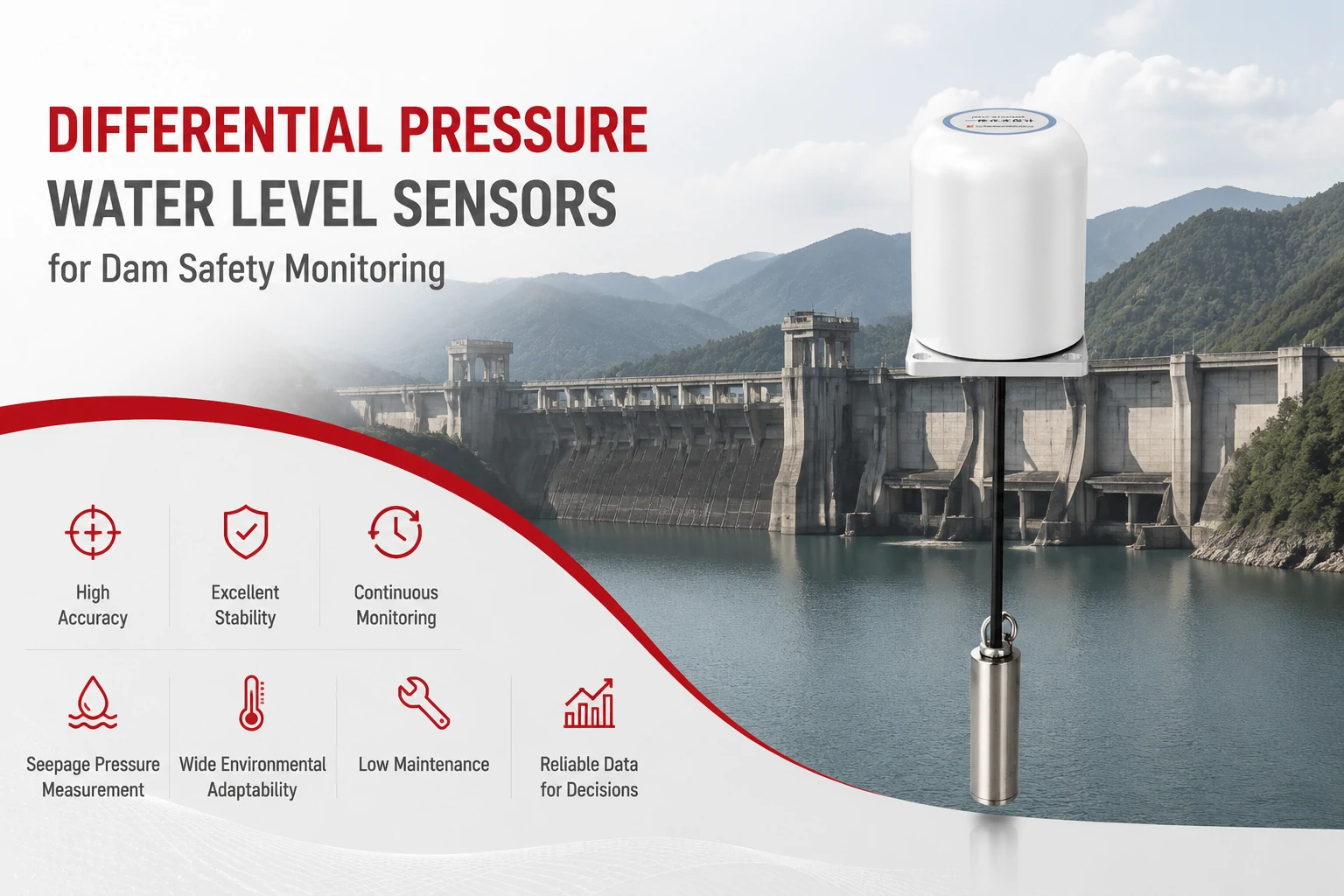
Key Takeaways The strongest fit is usually a confined, submerged, or s...
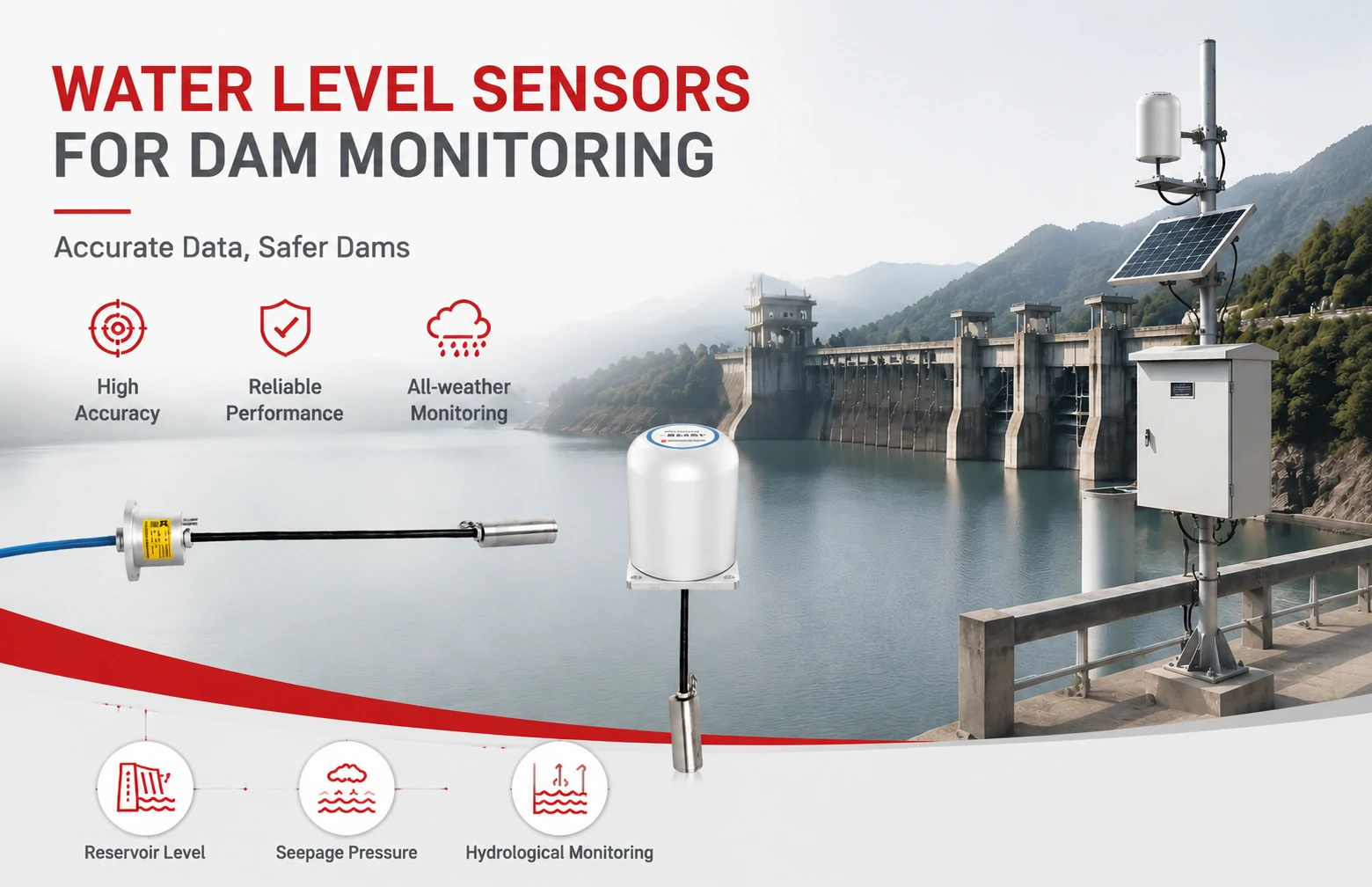
Kingmach Water Level Sensors for Dam Monitoring: A Buyer's Guide to Differential Pre...
Products
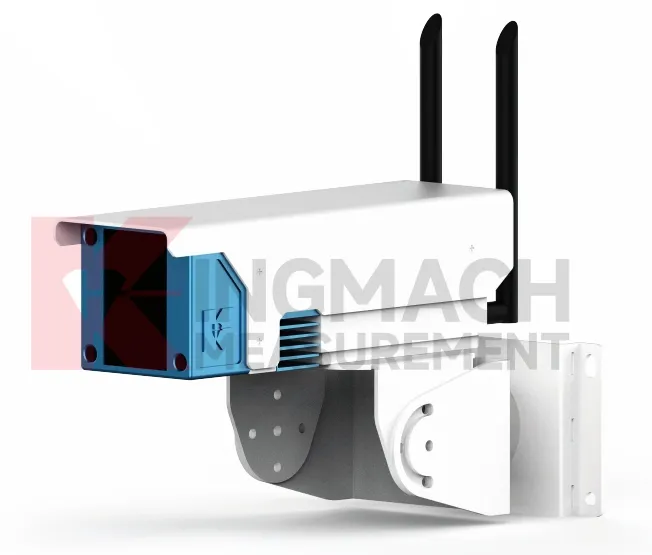
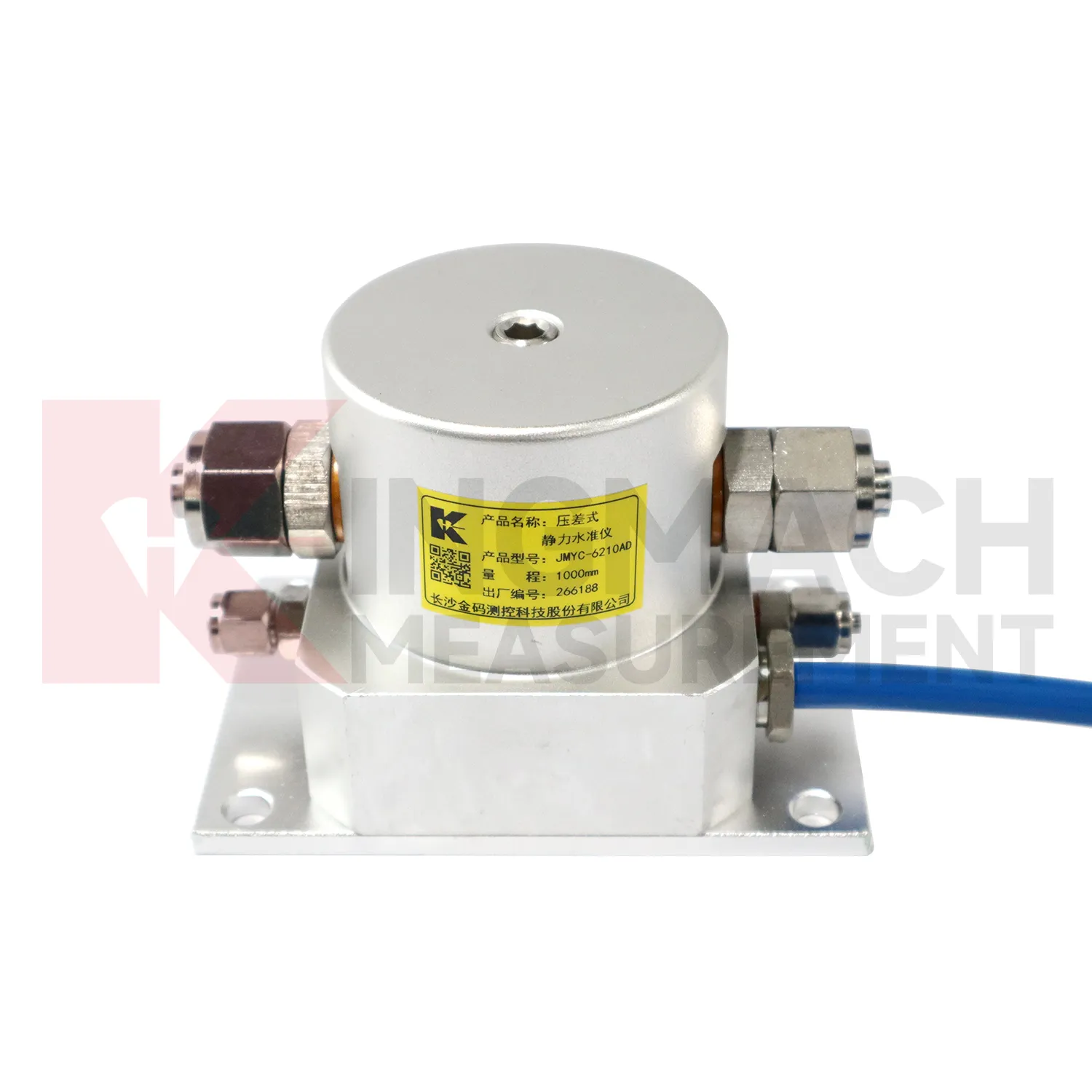
Wide-Range Differential Pressure Hydrostatic Level Sensor JMYC-62XXAD
View Details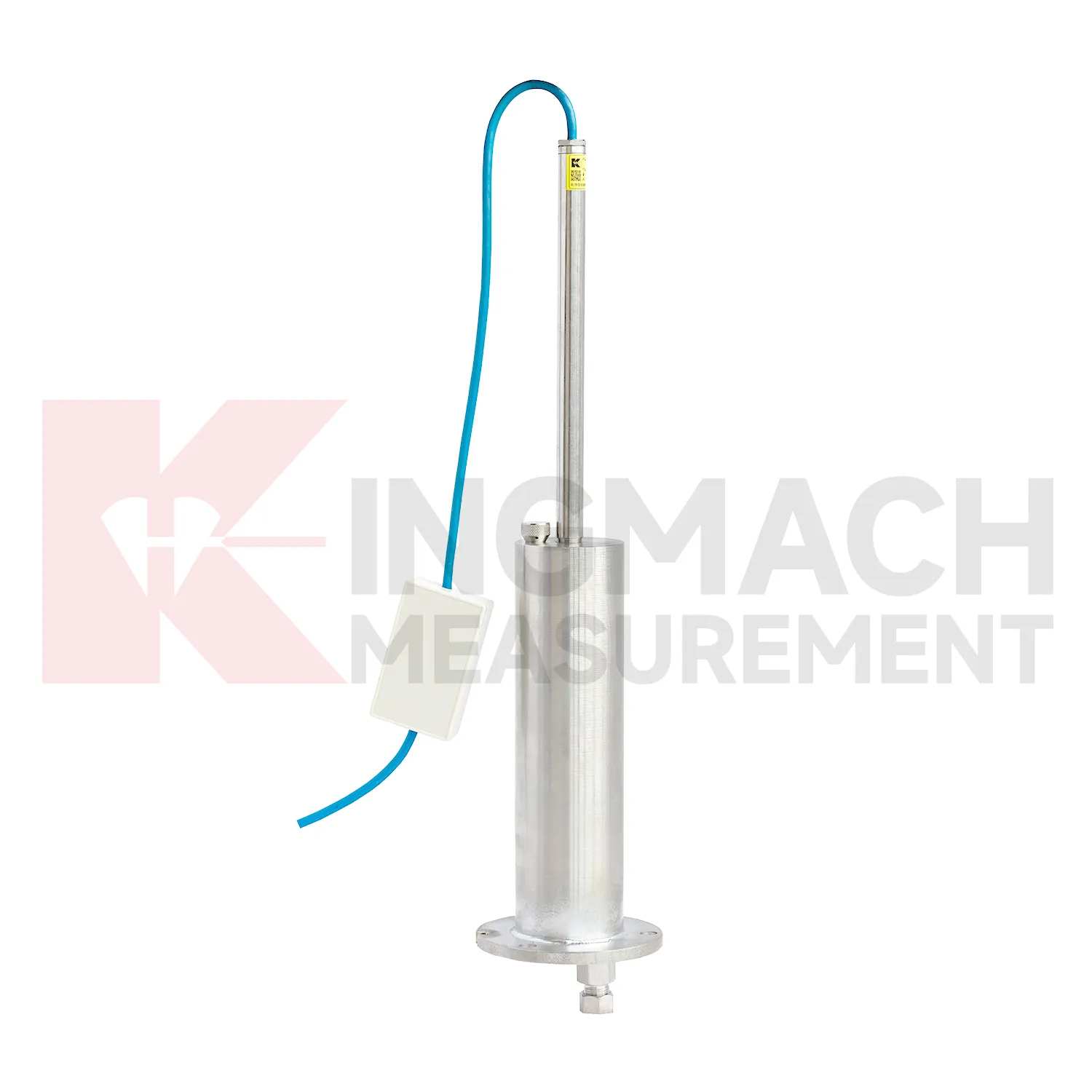
Inductive Frequency-Modulated Hydrostatic Level SensorJMDL-62XXAT、ADT
View DetailsFAQ
The main advantage is that it’s non-contact. LVDTs rely on a moving core that can bind or corrode over time, especially in humid or dusty conditions. Optical monitors just need a clear line of sight to a target. There’s no mechanical wear, so calibration drift is typically much lower. Kingmach’s models also include temperature compensation, which helps maintain accuracy as ambient conditions change.
Most our optical deflection monitors offer RS485 (Modbus RTU), 4-20 mA analog output, and some can be configured with wireless transmitters. That lets you plug into existing data loggers or SCADA systems without extra signal conditioning. We can also customize the output format for specific project protocols.
The standard setup tracks displacement along one axis aligned with the sensor. However, by using stereo vision or multiple monitors, you can capture 2D or 3D movement. For structural deflection, most applications only need a single axis—vertical or horizontal—but we work with clients to configure multi-axis solutions when needed.
The sensor head is usually housed in an IP65 enclosure with a heater option for condensation. A lens wiper or air purge system can be added if the site is particularly dirty. But in practice, the optical path only needs a small clear area, and rain seldom completely blocks the signal. We recommend periodic inspection just like any field instrument.
It depends on access, but once you have a solid mounting location, installing the monitor and target usually takes about an hour. Alignment is done with visible laser pointers, no special tools. From power-on to stable readings, you’re looking at under a day.
Share your product type, target capacity, and application requirements. Our team can review the details and recommend a practical next step.
If you are interested in our products or want to become our partner.
Please leave your contact information, our team will contact you as soon as possible.
Mail: [email protected]
Contact Us: +8613808434127
Address: No. 188 Tongzipo West Rd, Changsha, Hunan, China