
 EN
EN
 ar
ar bg
bg hr
hr cs
cs da
da nl
nl fi
fi fr
fr de
de el
el hi
hi it
it ko
ko no
no pl
pl pt
pt ro
ro ru
ru es
es sv
sv tl
tl iw
iw id
id lv
lv lt
lt sr
sr sk
sk sl
sl uk
uk vi
vi et
et hu
hu th
th tr
tr fa
fa ms
ms hy
hy ka
ka ur
ur bn
bn mn
mn ta
ta kk
kk uz
uz ku
ku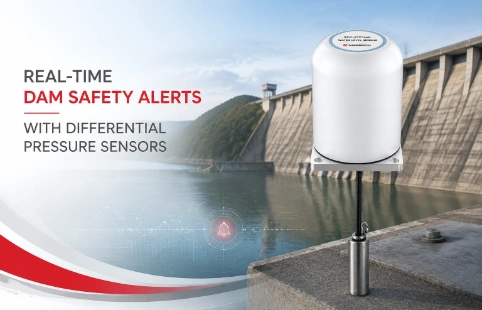
Real-Time Dam Safety Alerts with Differential Pressure Water Level Sensors
Key Takeaways An alert chain needs more than a sensor: define field in...

Monitoring Platforms & Services That Fit Your Site
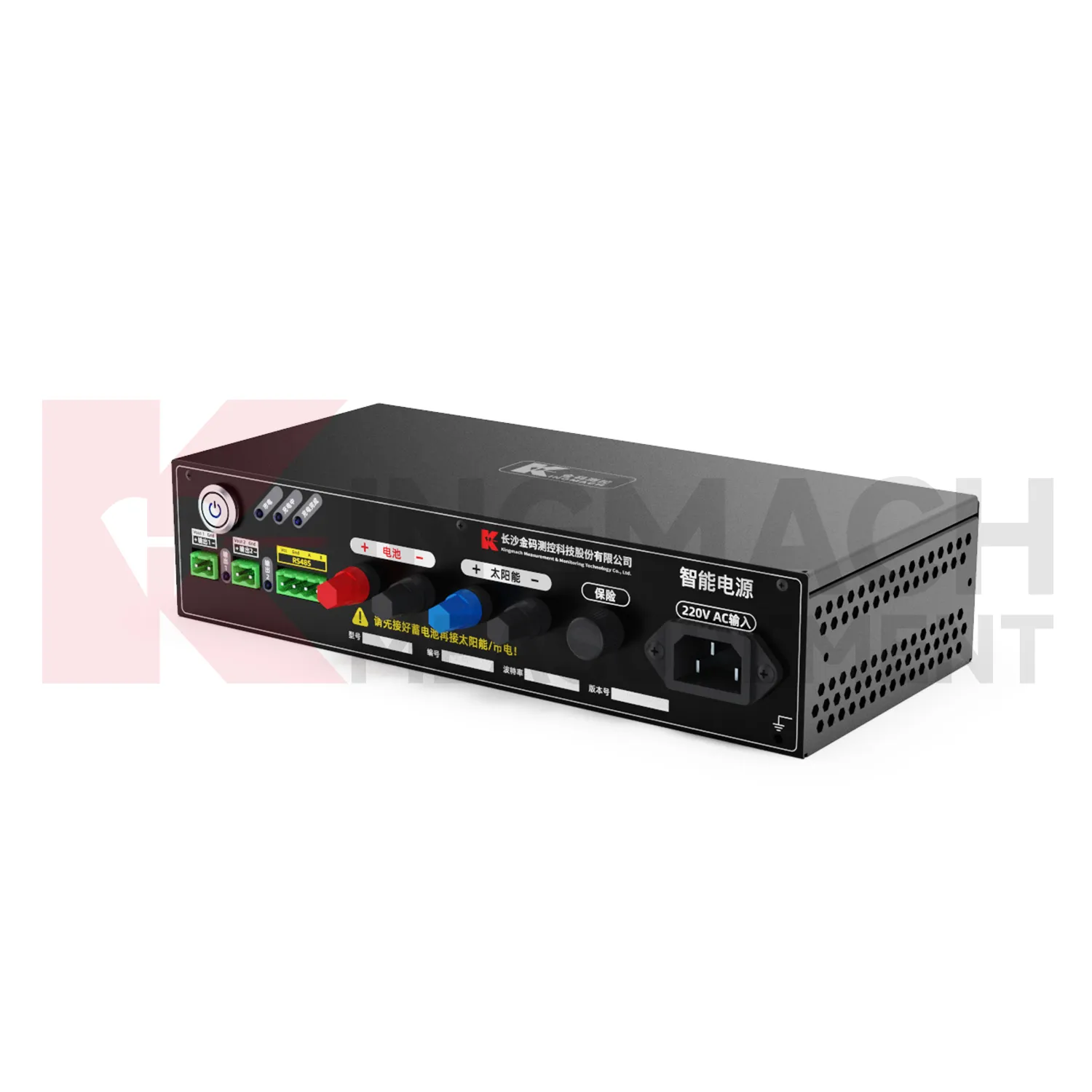
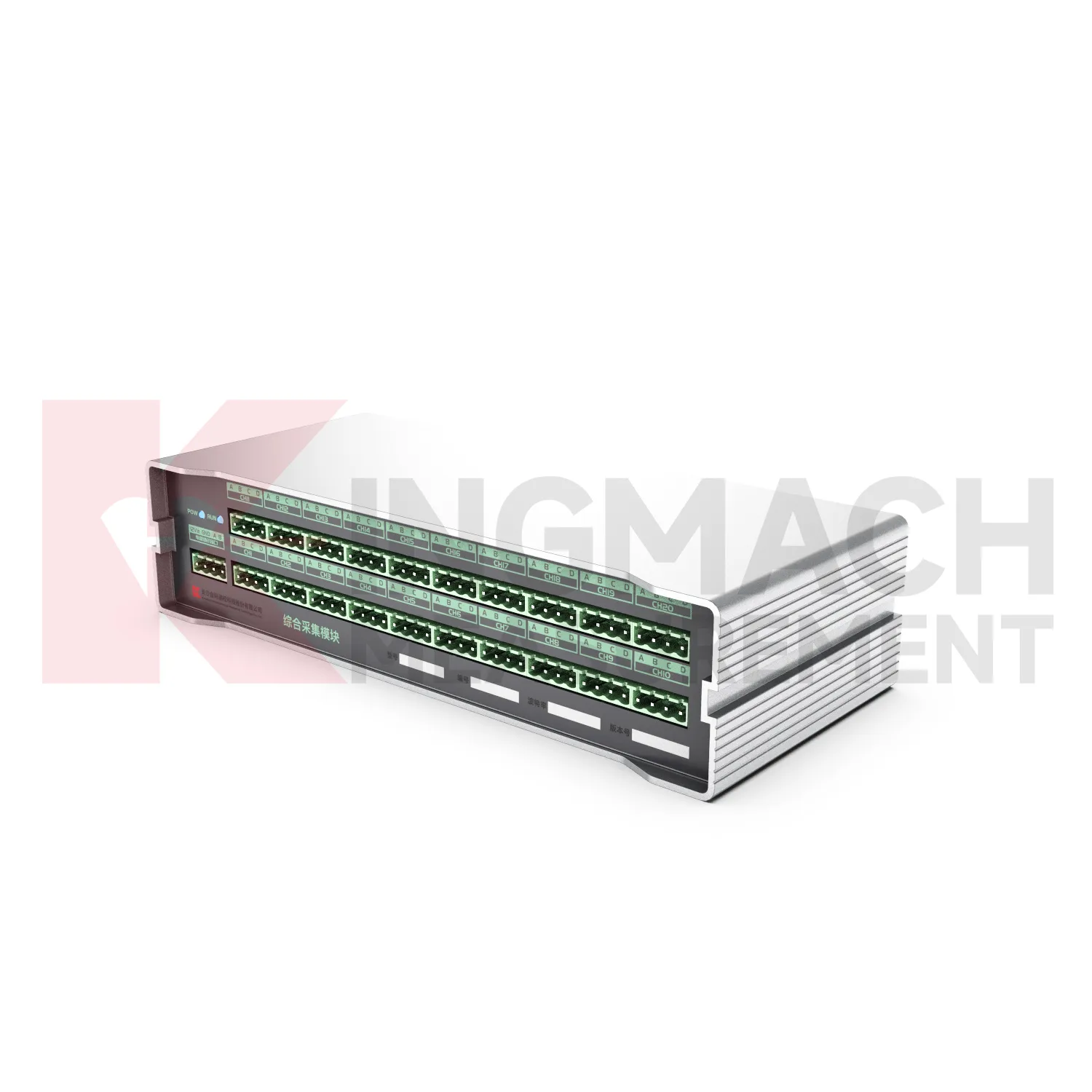
Most monitoring projects outgrow off-the-shelf hardware fast. You start with a few sensors and suddenly need to pull data from vibrating wire piezometers, inclinometers, and a weather station—all while keeping an eye on alarm thresholds for a deep excavation next to a rail line. That’s where our platforms and services come in. We don’t just sell instruments. We help you pull everything together: sensor selection, data collection, visualization, and long-term support. The platform piece isn’t a one-size-fits-all dashboard; it’s more like a configurable backbone that scales from a single site to a multi-asset program. Services run from pre-project consulting to remote troubleshooting after years of operation. The whole point is giving you a single thread to pull on when things get technical, so your team can focus on the ground conditions, not the wiring.
Technical Detail
Kingmach has been manufacturing geotechnical and structural monitoring instruments long enough to know that hardware alone rarely answers the full brief. Clients come to us for a combination of reliable sensors and the wraparound support that makes deployment easier. Our platform approach connects field data from a wide range of sensors—load cells, tiltmeters, crack gauges, piezometers, and more—into one environment where you can set alarm rules, generate reports, and share access with stakeholders. Because the instruments are made in-house, we can tune the communication protocols and sampling intervals to suit tight timelines or intermittent connectivity at remote sites. This avoids the finger-pointing that sometimes happens when sensors and software come from different suppliers. On the services side, engineers who understand the physical behavior of geotechnical materials help with sensor placement plans, calibration procedures, and data interpretation. We also stock spares and provide loaner units during repair cycles, reducing downtime when measurements are needed for construction safety triggers. Customization extends to enclosure designs, cable lengths, and software features—common requests from teams working in corrosive environments or on projects with strict documentation requirements. With distribution partners in multiple regions, we can often arrange local support visits and training sessions without long lead times. The overall effect is a monitoring system that feels less like a collection of purchased parts and more like a coherent tool for managing subsurface risk.
News
Key Takeaways An alert chain needs more than a sensor: define field in...
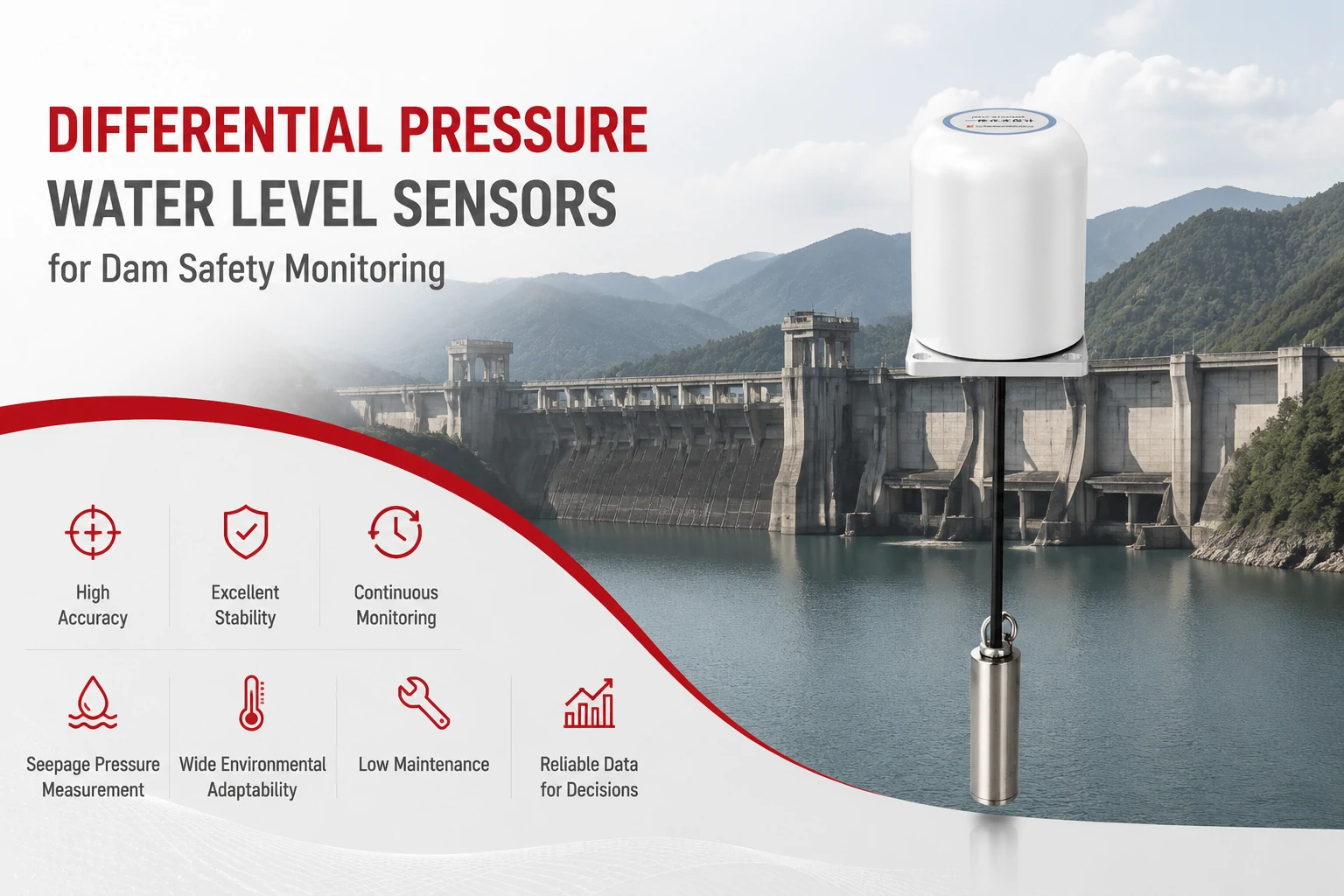
Key Takeaways The strongest fit is usually a confined, submerged, or s...
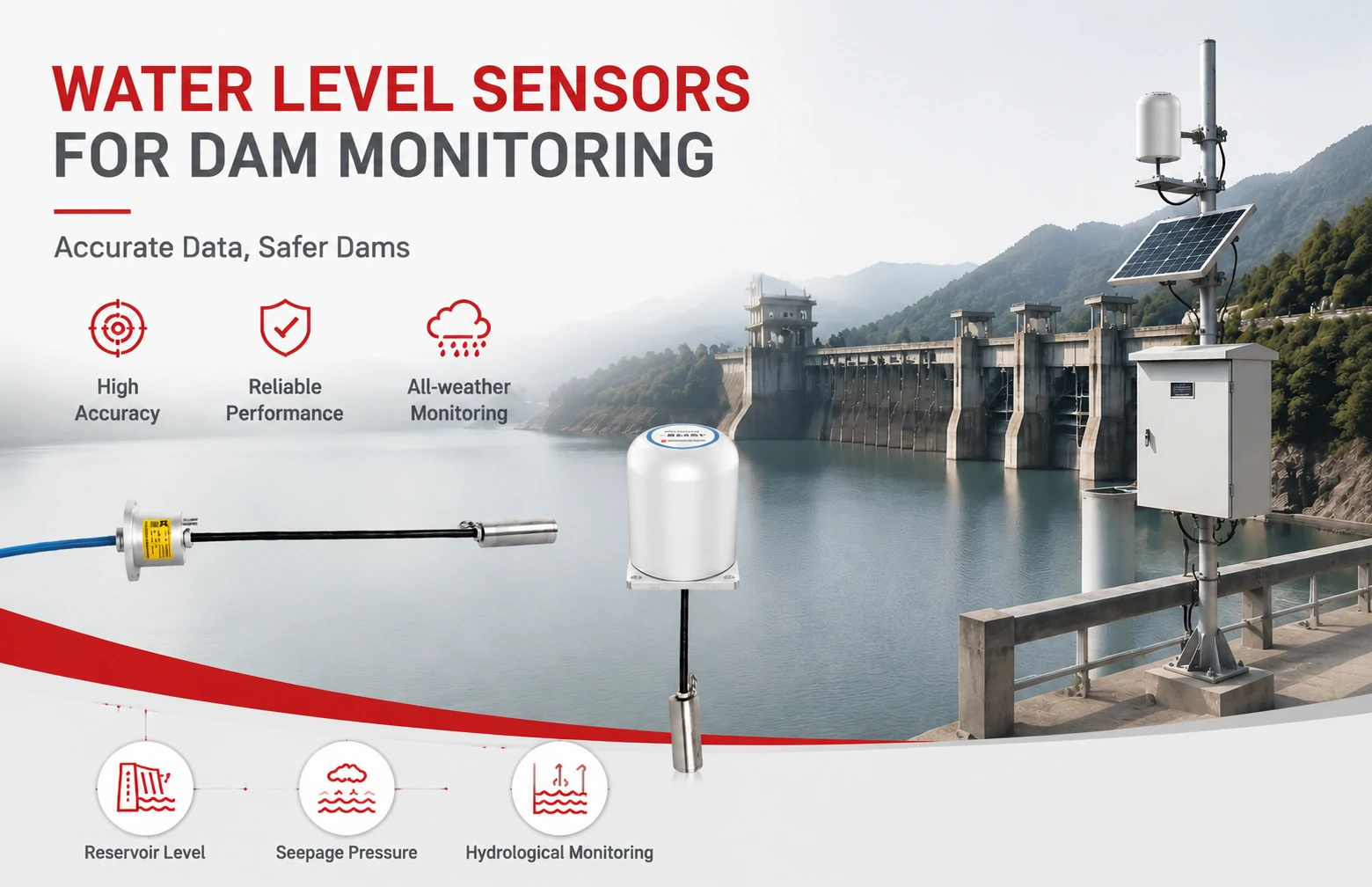
Kingmach Water Level Sensors for Dam Monitoring: A Buyer's Guide to Differential Pre...
Products
FAQ
They typically include data loggers, a cloud or local server dashboard, and integrations with third-party sensors if needed. You can view real-time charts, set SMS and email alarms, and export data for compliance reporting. The platform is modular, so you can start small and add channels later.
Yes, it’s a frequent request. We often adjust the dashboard layout, alarm logic, and report templates to match what a client’s internal team or regulator expects. Because we control the underlying data structure, we can usually turn around these changes in days, not weeks.
We provide remote diagnostics, on-site troubleshooting through local distributors, and extended warranties that include periodic calibration checks. For large instrument networks, we can set up a quarterly health report on sensor drift and battery status so you’re not caught off guard.
We can either do the full installation and commissioning or guide your subcontractors with detailed method statements and on-site supervision. Many clients choose the second option to keep control while still tapping our technical knowledge.
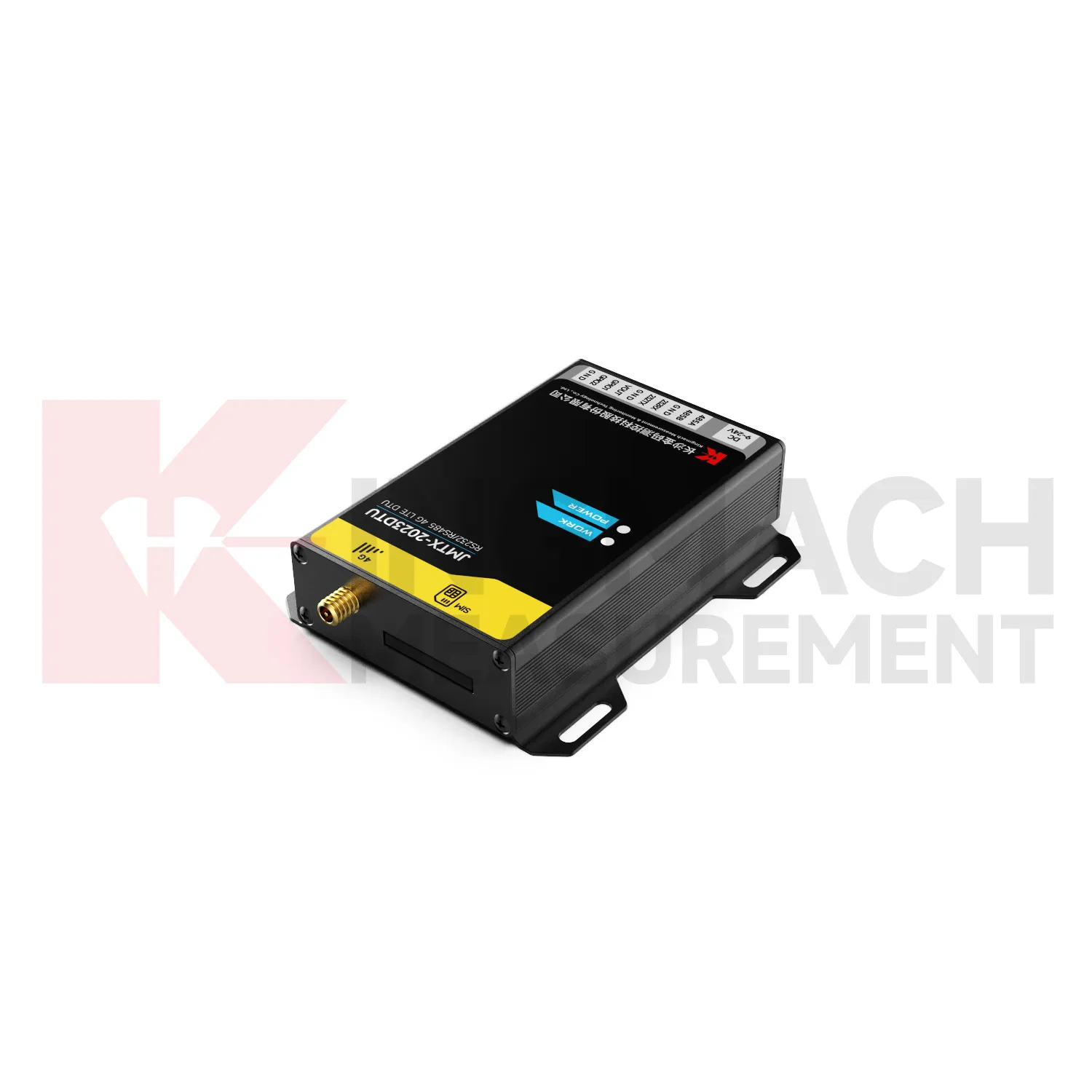
Our loggers support common outputs—4-20 mA, RS-485, vibrating wire, and voltage—so most sensors connect without extra converters. We also maintain a library of calibration factors for our own instruments and many third-party models, which cuts setup time on site.
Share your product type, target capacity, and application requirements. Our team can review the details and recommend a practical next step.
If you are interested in our products or want to become our partner.
Please leave your contact information, our team will contact you as soon as possible.
Mail: [email protected]
Contact Us: +8613808434127
Address: No. 188 Tongzipo West Rd, Changsha, Hunan, China