
 EN
EN
 ar
ar bg
bg hr
hr cs
cs da
da nl
nl fi
fi fr
fr de
de el
el hi
hi it
it ko
ko no
no pl
pl pt
pt ro
ro ru
ru es
es sv
sv tl
tl iw
iw id
id lv
lv lt
lt sr
sr sk
sk sl
sl uk
uk vi
vi et
et hu
hu th
th tr
tr fa
fa ms
ms hy
hy ka
ka ur
ur bn
bn mn
mn ta
ta kk
kk uz
uz ku
ku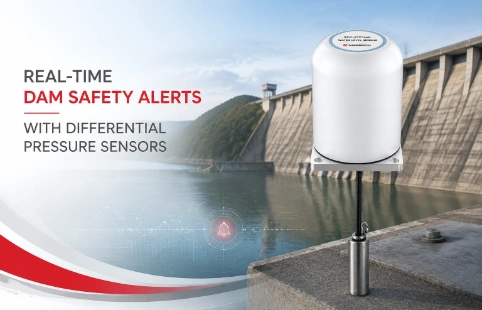
Real-Time Dam Safety Alerts with Differential Pressure Water Level Sensors
Key Takeaways An alert chain needs more than a sensor: define field in...

Strain Gauge Wheatstone Bridge for Demanding Projects
Strain gauges look simple on the surface, but getting clean, repeatable measurements in the field often turns into a headache. Temperature swings, long cable runs, and electromagnetic noise can bury the tiny resistance changes you need to capture. The Wheatstone bridge circuit has been the standard answer for decades—not because it’s the only way, but because it handles these real-world problems predictably. Kingmach builds geotechnical and structural monitoring systems around this principle, pairing foil and semiconductor strain gauges with bridge configurations that suit both lab precision and remote site ruggedness. Whether you are instrumenting a pile for a load test or setting up long-term tunnel convergence monitoring, the bridge design you pick shapes your data quality from day one. Our engineering team works with your specs to recommend quarter, half, or full bridge layouts, and we provide the signal conditioning, data loggers, and mounting accessories to complete the loop.
Technical Detail
A strain gauge Wheatstone bridge converts the fractional ohm changes of a sensing element into a readable voltage output, compensating for lead wire resistance and temperature drift when properly configured. Kingmach supplies foil and wire strain gauges designed for embedment in concrete, spot welding on steel, or bonding to composites, along with bridge completion modules and multi-channel readout units. Our instruments are built around standard bridge topologies—quarter bridge with dummy gauge for temperature compensation, half bridge for bending cancellation, and full bridge for maximum sensitivity—so field crews can match the circuit to the measurement task. Each sensor is paired with proven adhesives and protective coatings that survive wet concrete pours, freeze-thaw cycles, and direct burial in soil. We factory-test gauges for insulation resistance and creep under load, and we document the gauge factor and thermal output curve for every production batch. Kingmach’s technical support team assists with wiring diagrams, shunt calibration procedures, and troubleshooting in installations ranging from bridge bearing rehabilitation to diaphragm wall strain monitoring. If a standard catalog gauge does not fit, we manufacture custom patterns, lead wire lengths, and encapsulation for OEM projects, all while meeting international metrology standards for strain measurement. With regional stocking and after-sales service centers, we help keep your monitoring schedule on track.
News
Key Takeaways An alert chain needs more than a sensor: define field in...
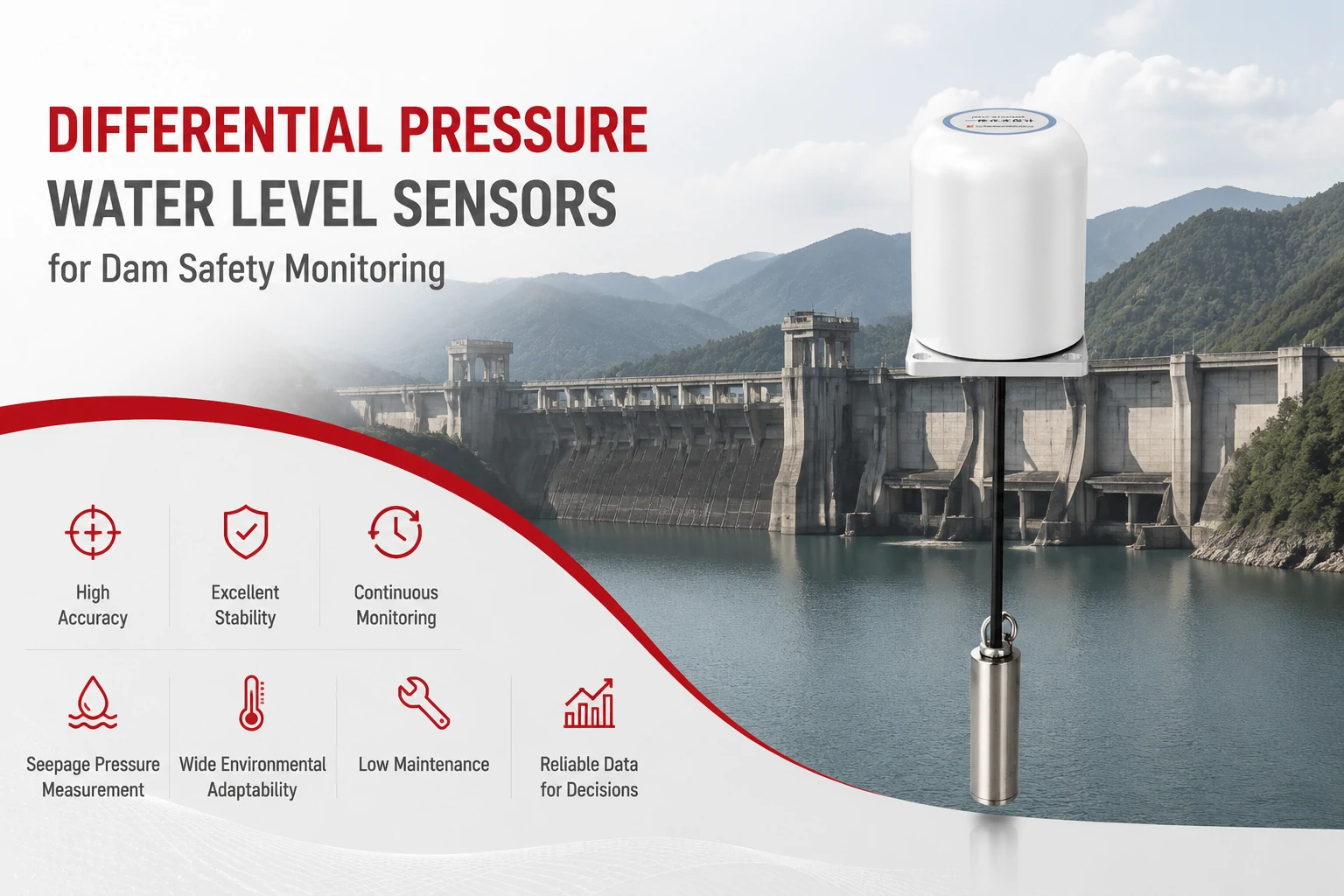
Key Takeaways The strongest fit is usually a confined, submerged, or s...
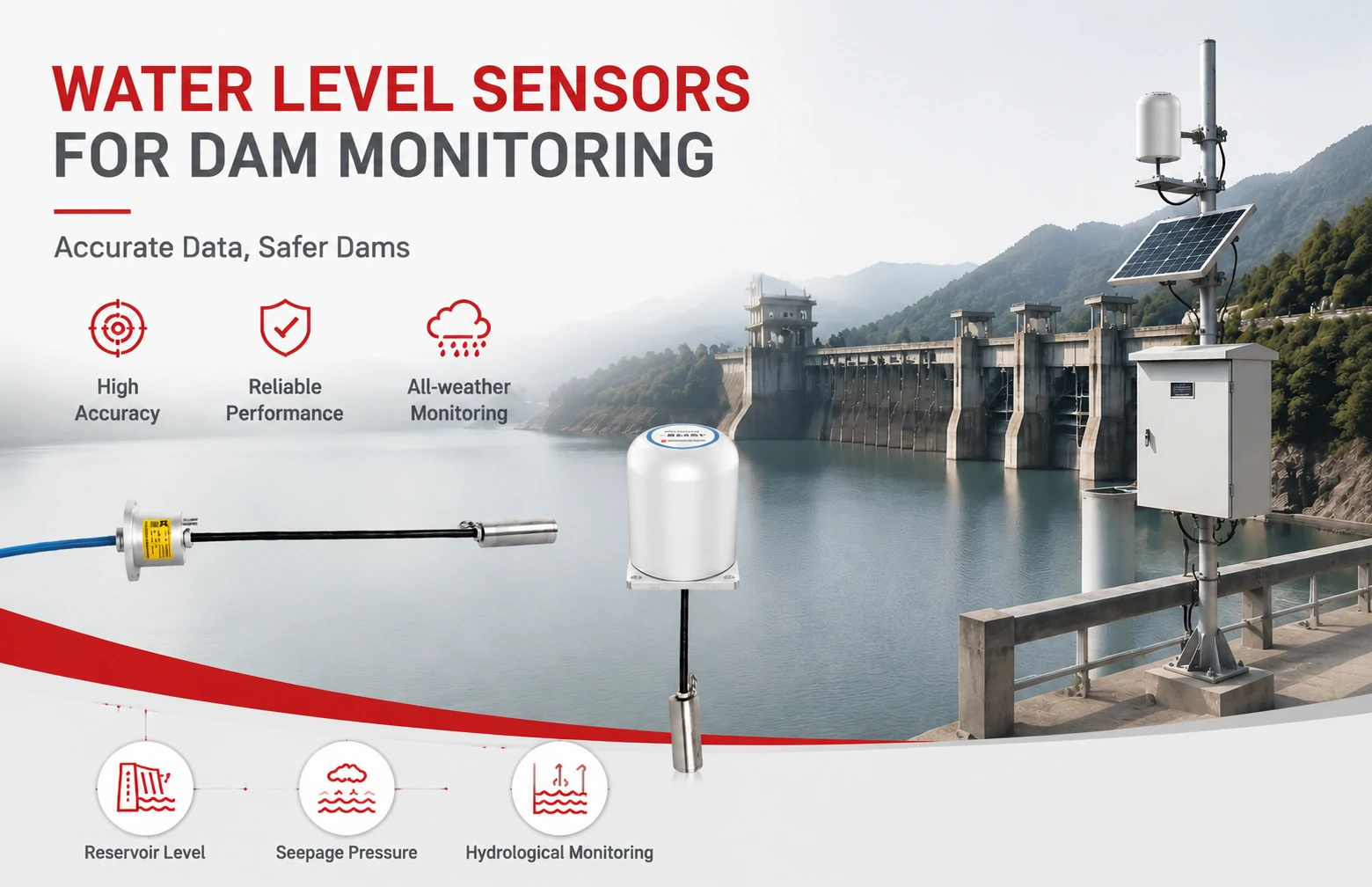
Kingmach Water Level Sensors for Dam Monitoring: A Buyer's Guide to Differential Pre...
Products
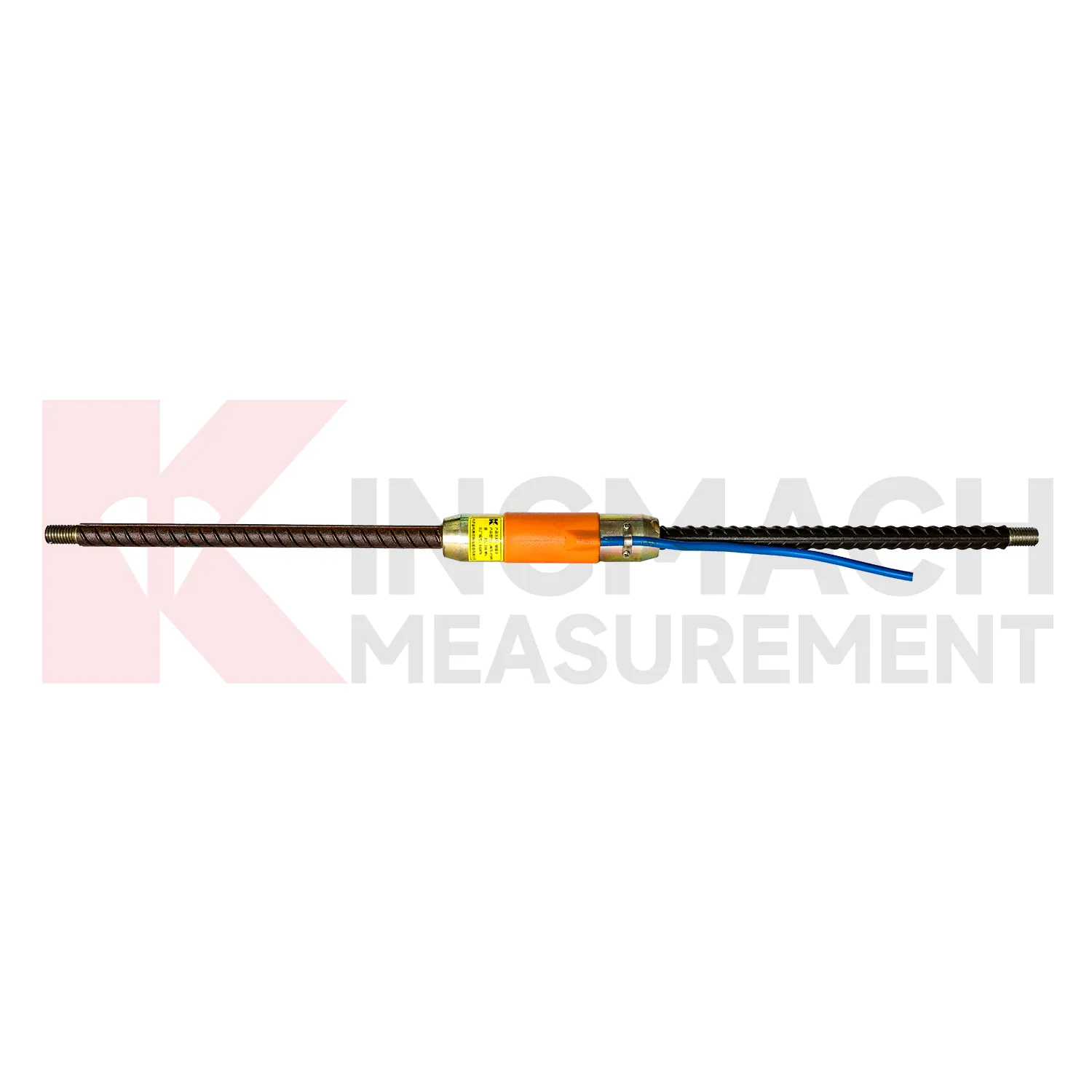
Rebar Strainmeters ( VW & Smart Type) JMZX-4XXHAT/HB
View Details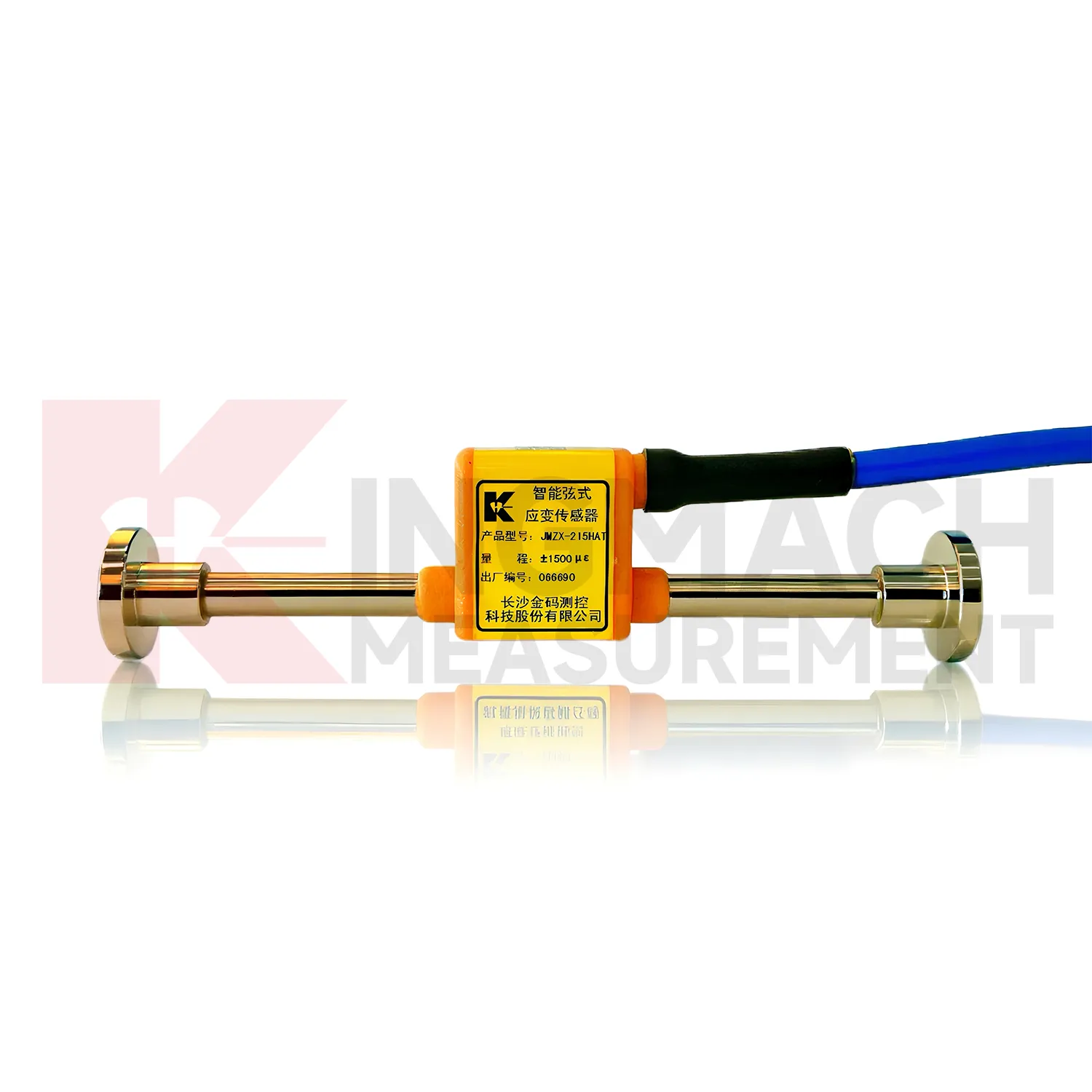
Smart vibrating wire strain gauge (embedment model) JMZX-215HA/215HAT/HB
View Details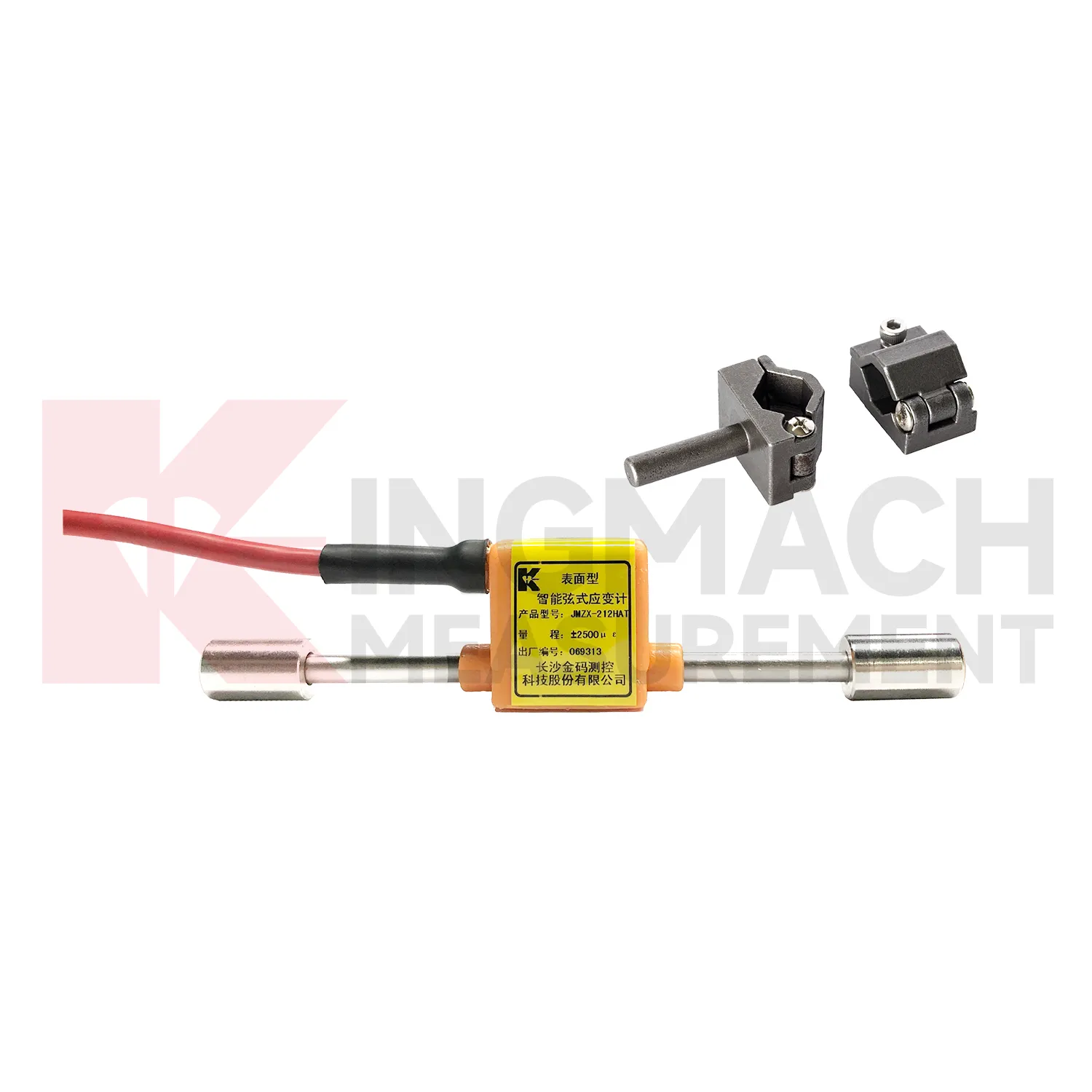
Smart vibrating wire strain gauge (surface model) JMZX-212HAT/HB
View DetailsFAQ
Strain gauges typically change resistance by only fractions of an ohm. A Wheatstone bridge amplifies this tiny change into a measurable voltage difference while rejecting common-mode noise and temperature effects when constructed symmetrically. It also cancels out lead wire resistance if you use a three-wire or full bridge arrangement.
In a quarter bridge, one active gauge is connected with three fixed resistors. It is simple but susceptible to temperature errors unless a dummy gauge is used. A half bridge uses two active gauges, often for bending measurements where one gauge experiences tension and the other compression. A full bridge employs four active gauges, delivering the highest signal output and automatic temperature compensation, making it ideal for precision applications like load cells.
For concrete or rock surfaces, polyimide-backed gauges with a protective polyurethane coating survive humidity and alkalinity. For steel structures, glass-fiber-reinforced epoxy gauges handle higher temperatures. Kingmach provides application notes that match gauge series to your substrate and exposure conditions.
We supply everything from bare gauges and adhesives to automated data acquisition systems with built-in bridge excitation and signal conditioning. Our engineers can configure a turnkey package with sensors, junction boxes, loggers, and solar power so you get consistent results from the first reading.
Share your product type, target capacity, and application requirements. Our team can review the details and recommend a practical next step.
Related Keywords
If you are interested in our products or want to become our partner.
Please leave your contact information, our team will contact you as soon as possible.
Mail: [email protected]
Contact Us: +8613808434127
Address: No. 188 Tongzipo West Rd, Changsha, Hunan, China