
 EN
EN
 ar
ar bg
bg hr
hr cs
cs da
da nl
nl fi
fi fr
fr de
de el
el hi
hi it
it ko
ko no
no pl
pl pt
pt ro
ro ru
ru es
es sv
sv tl
tl iw
iw id
id lv
lv lt
lt sr
sr sk
sk sl
sl uk
uk vi
vi et
et hu
hu th
th tr
tr fa
fa ms
ms hy
hy ka
ka ur
ur bn
bn mn
mn ta
ta kk
kk uz
uz ku
ku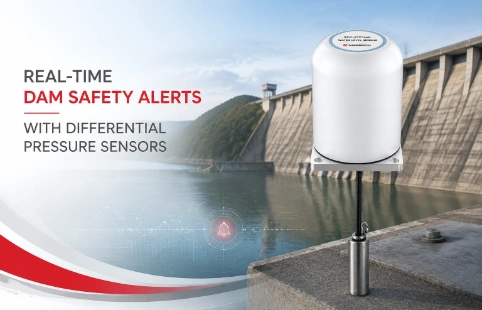
Real-Time Dam Safety Alerts with Differential Pressure Water Level Sensors
Key Takeaways An alert chain needs more than a sensor: define field in...

Universal Load Cells for Structural and Geotechnical Monitoring
A universal load cell works when you need to track tension or compression in anchors, struts, or tunnel linings. Unlike off-the-shelf sensors that force you to adapt your setup, Kingmach designs each cell around the project’s reality—cable length, output protocol, mounting thread, even the sealing needed for a wet borehole. The result is less time spent on site fabricating adapters and fewer data glitches from mismatched connectors. Our cells ship to dam monitoring teams in Latin America, foundation testing crews in the Middle East, and railway bridge assessors in Europe. The thread connecting them is a demand for readings you can trust without babysitting the sensor. Whether you need a 50 kN tension anchor cell or a 3000 kN compression cell for pile testing, the mechanical sensing element stays linear and repeatable over years of burial. This page lays out what our universal load cells cover, how you choose a configuration, and why a dedicated manufacturer beats a general supplier when the call for tender specifies long-term stability.
Technical Detail
Kingmach universal load cells use a proven strain gauge bridge bonded to a high-strength alloy element. The body is machined from a single forging, which cuts out welds that can drift under cyclic loads. Available capacities range from a few kN for tieback monitoring up to several MN for bridge bearing checks. Each cell leaves the factory with a calibration sheet traceable to national standards—often a requirement in geotechnical instrumentation specs. Customisation covers the connector type, cable gland, vented cable for submersible use, and output signal. You can specify 4-20 mA for direct PLC connection, mV/V for datalogger integration, or digital RS-485 for long cable runs. Enclosure ratings typically reach IP68, with dual o-ring seals at the cable entry. Temperature compensation is baked into the bridge circuitry for the expected site range, normally -20 °C to 80 °C. On the software side, the cell can be paired with Kingmach’s dataloggers or your existing readout unit; we provide the sensitivity value and wiring diagram. The mechanical interface comes as a standard thread, but custom clevis ends or base plates can be supplied. For projects requiring extended delivery, we stock common capacities and can ship within two weeks. After installation, technical support stays available through local distributors or direct remote access. This description focuses on the cell’s construction and integration, so you can assess whether the standard offering fits your tender, or if a drawing modification is needed.
News
Key Takeaways An alert chain needs more than a sensor: define field in...
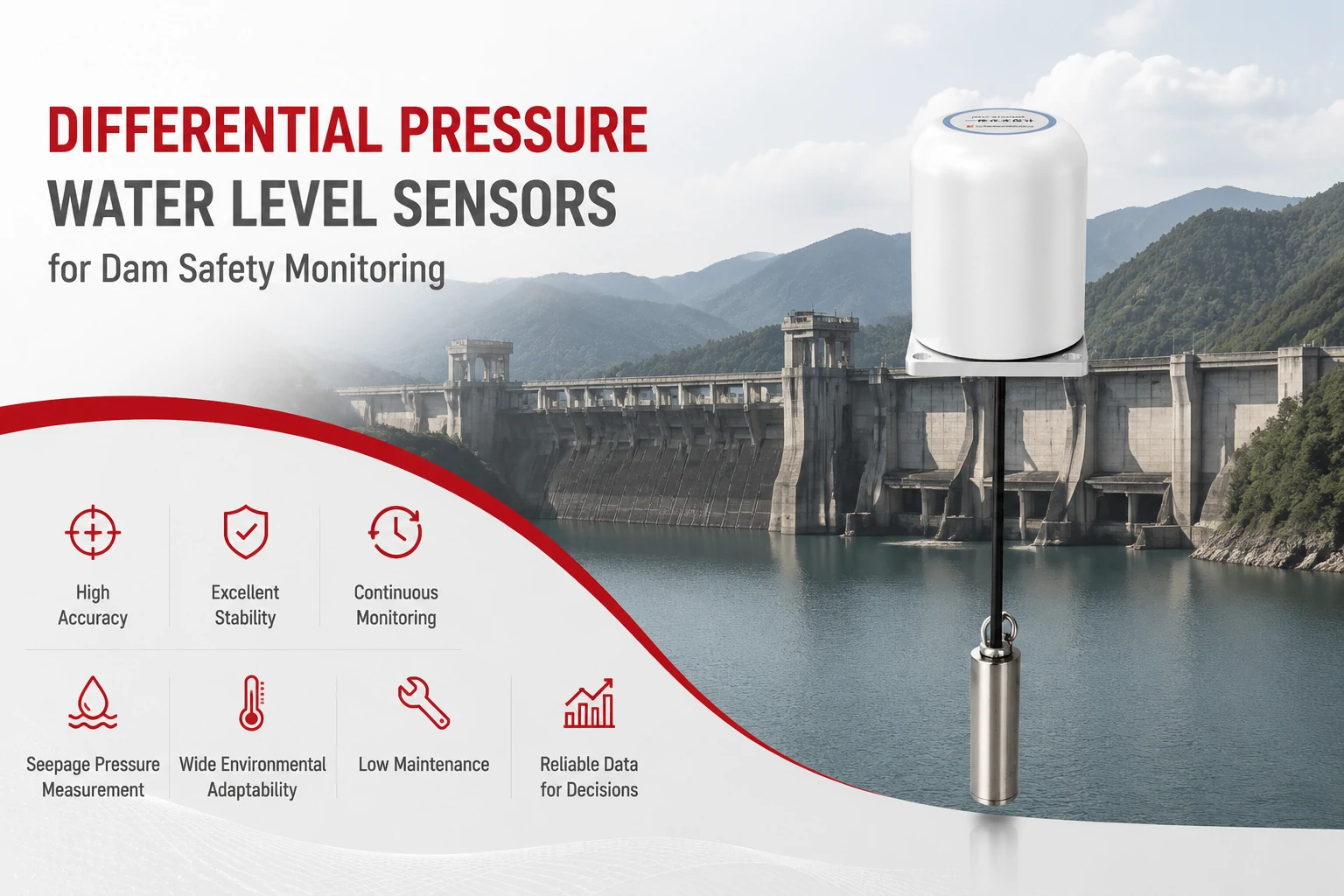
Key Takeaways The strongest fit is usually a confined, submerged, or s...
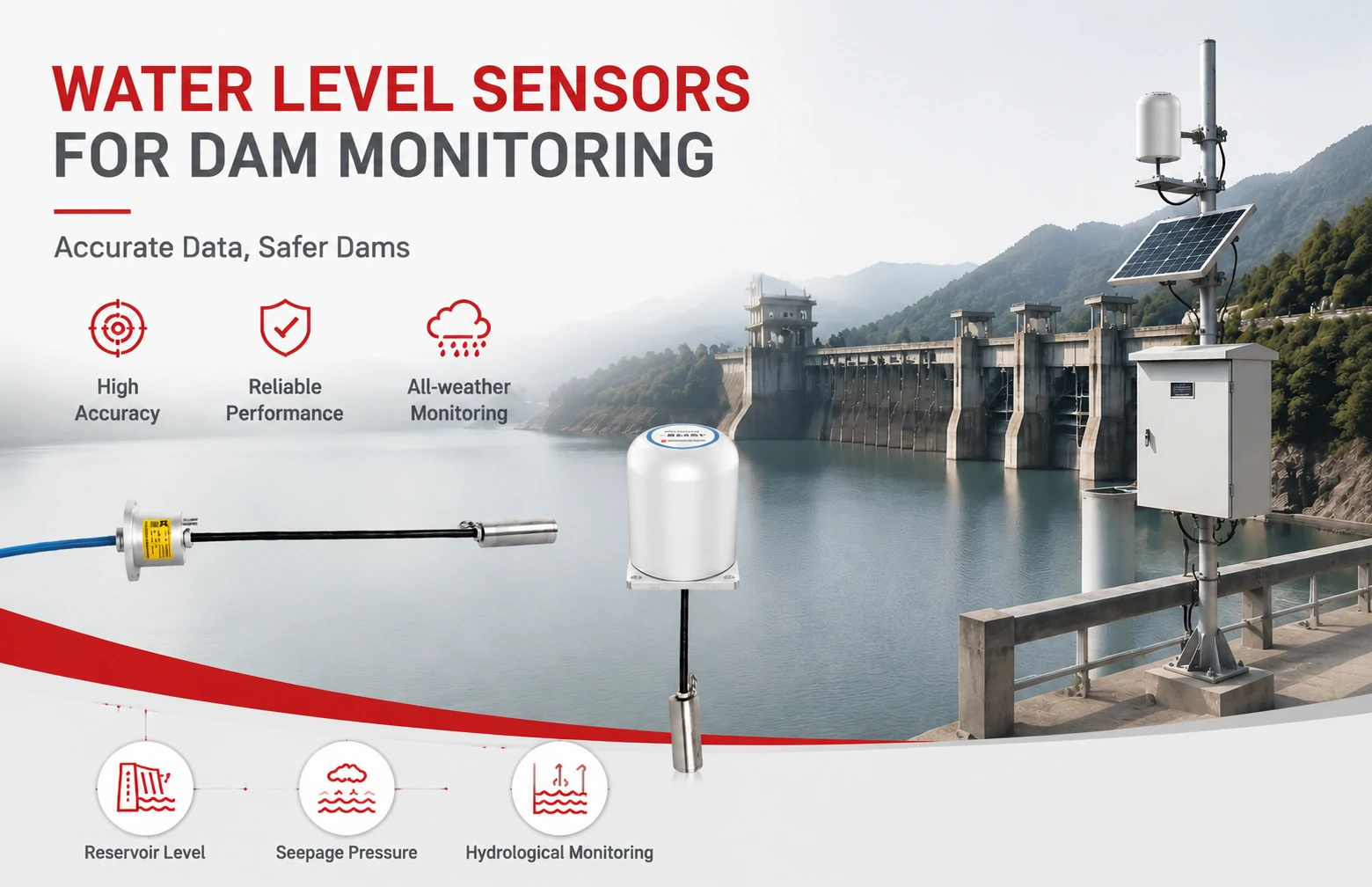
Kingmach Water Level Sensors for Dam Monitoring: A Buyer's Guide to Differential Pre...
Products
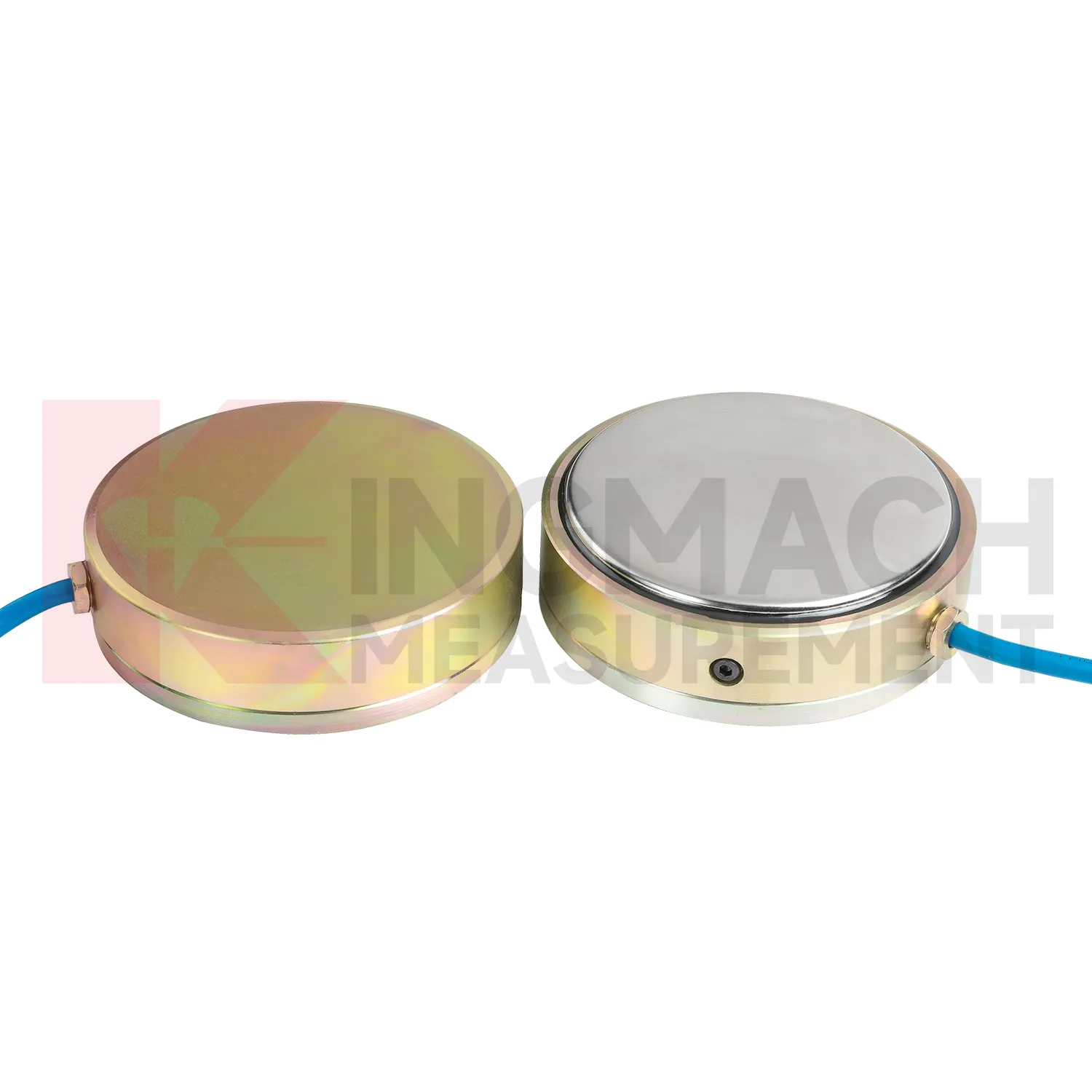
Earth Pressure Cell ( VW & Smart Type) JMZX-50XXAT/ ATM
View Details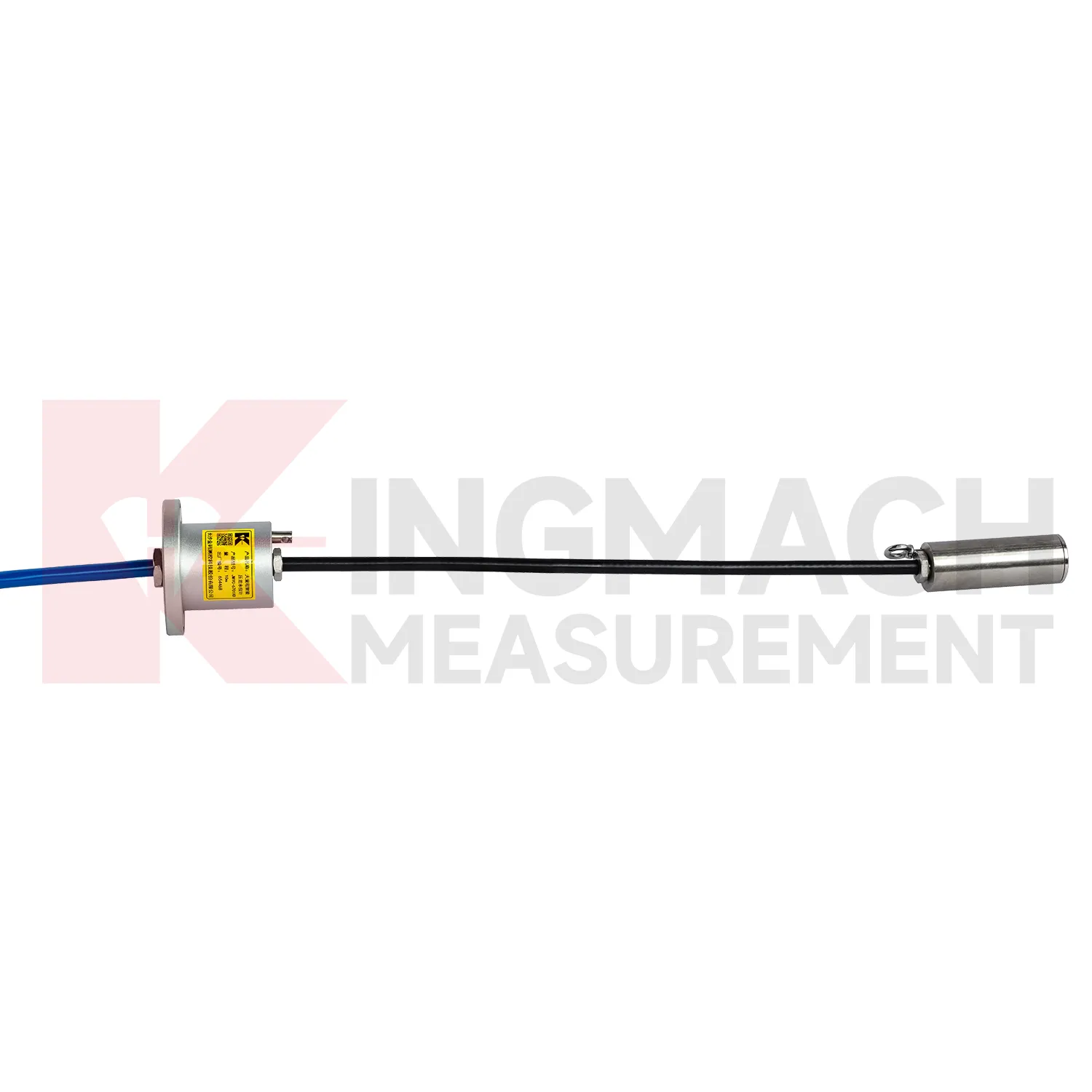
Wide-Range Smart Differential Pressure Water Level Meter JMYC-67XXAD
View Details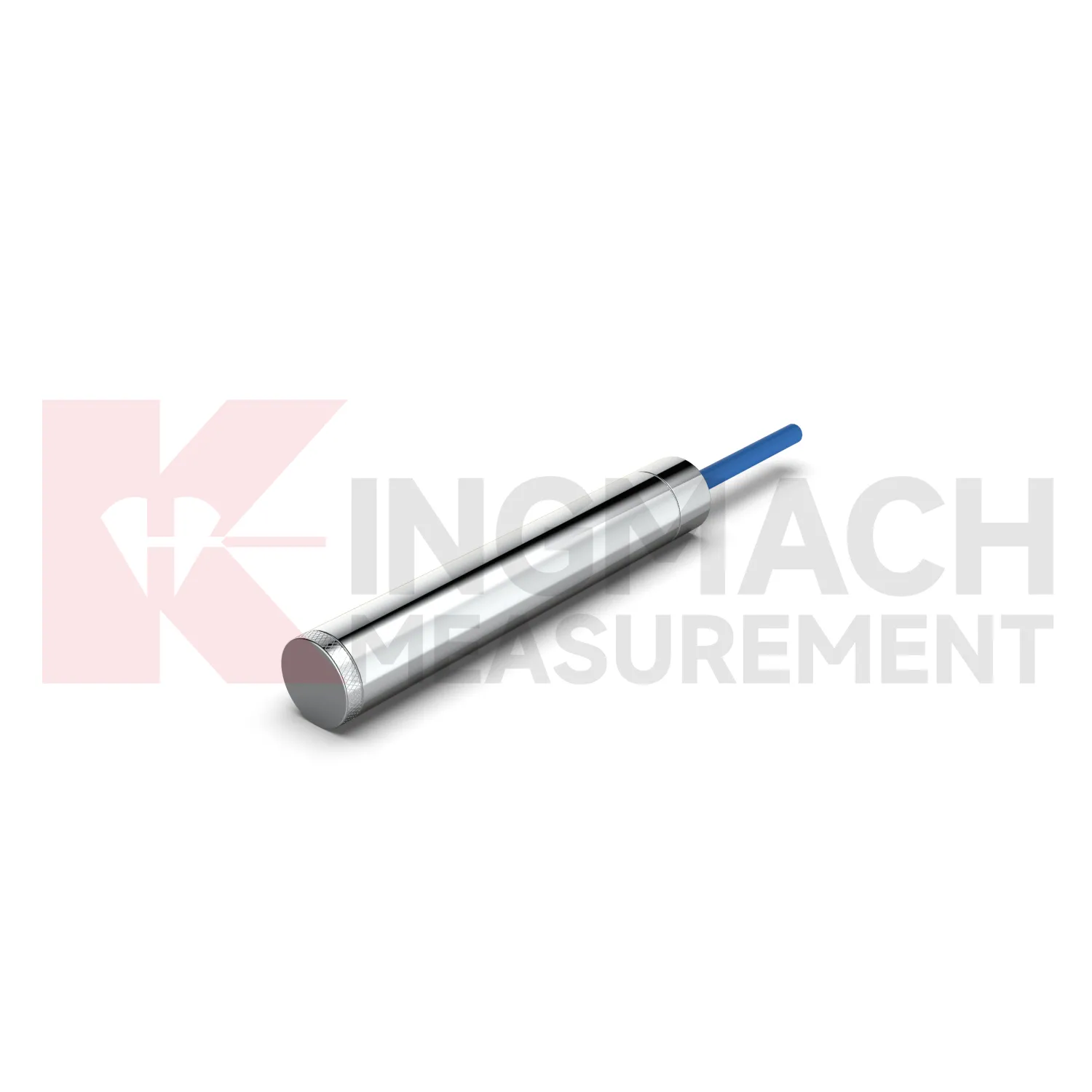
Smart Vibrating Wire PiezometerSmart Piezometers (VW) JMZX-55XXHAT
View DetailsFAQ
A weighing cell is designed for a clean, indoor environment and short-term overloads. A universal load cell for geotechnical work must survive years in a borehole, often underwater, with thermal swings and possible lightning strikes. Kingmach cells use a sealed strain gauge cavity, thicker diaphragms for overload protection, and temperature compensation that keeps drift under 0.05% per 10 °C across the site temperature range.
Yes, a 750 kN universal load cell with digital output is within our standard customisation range. We can build the cell with RS-485 (Modbus RTU) or SDI-12 protocol depending on your datalogger. The digital board is sealed inside the same IP68 enclosure, and we include the communication register map so your software team can integrate it directly. For long cable runs, the digital signal avoids the voltage drop issues of analogue mV/V signals.
The standard mechanical interface is a male/female thread selected from common sizes (M30×2, M36×2, etc.). If your anchor head or bearing plate uses a clevis pin, we machine custom clevis ends to match your drawing. Base plates with through holes for bolt-down installation are also available. All custom parts are stress-analysed to ensure they do not introduce load eccentricity.
Common capacities that we keep in stock (e.g., 250 kN, 500 kN, 1000 kN with standard mV/V output) can ship within two weeks of order confirmation. For custom outputs like RS-485 or a non-standard mechanical interface, lead time is typically four to six weeks, depending on current workshop loading. We provide a firm delivery date at quotation.
Share your product type, target capacity, and application requirements. Our team can review the details and recommend a practical next step.
If you are interested in our products or want to become our partner.
Please leave your contact information, our team will contact you as soon as possible.
Mail: [email protected]
Contact Us: +8613808434127
Address: No. 188 Tongzipo West Rd, Changsha, Hunan, China